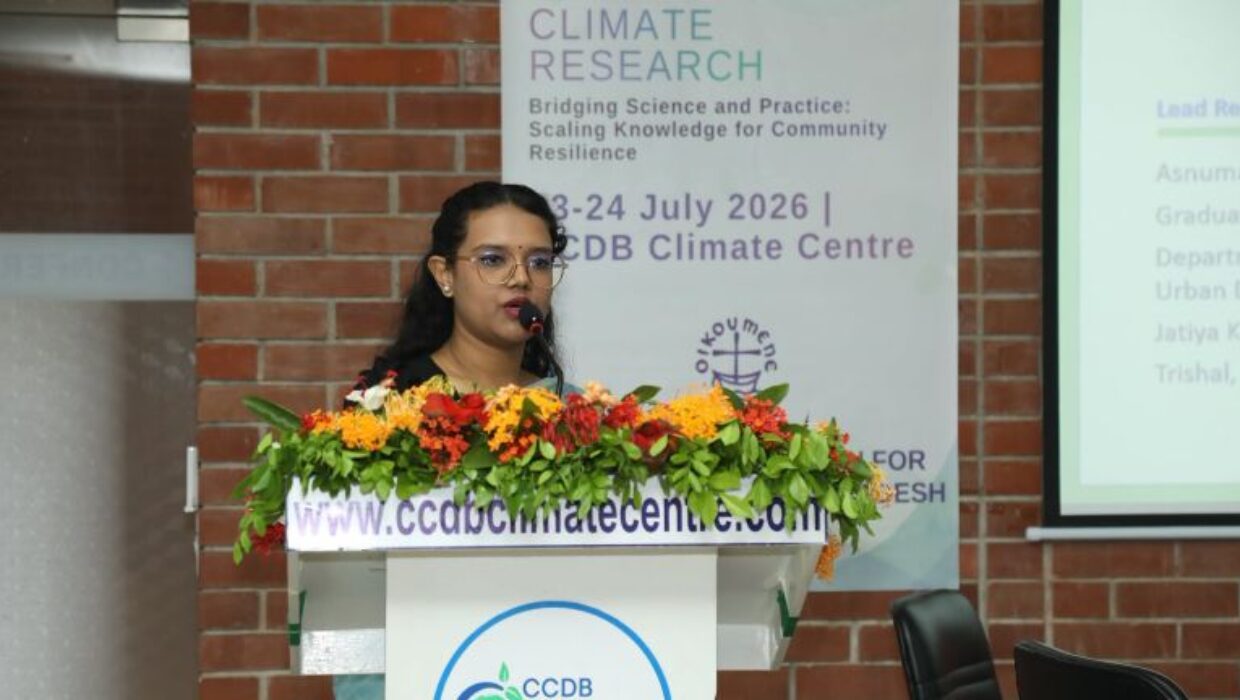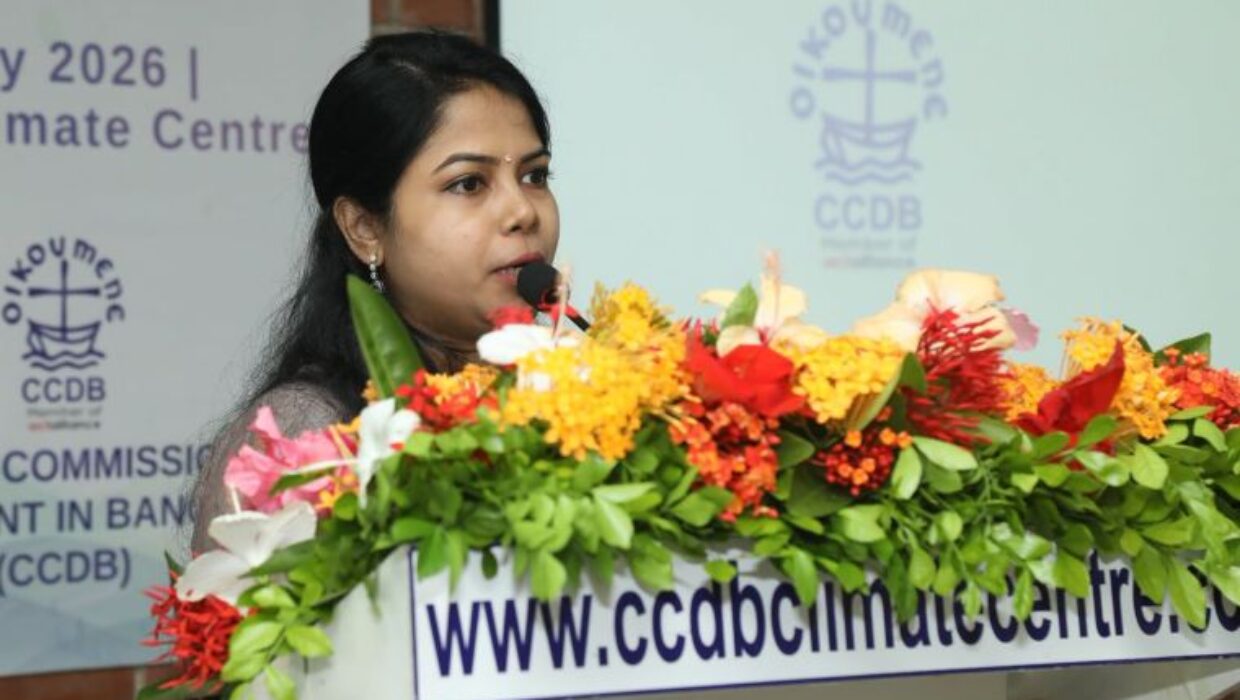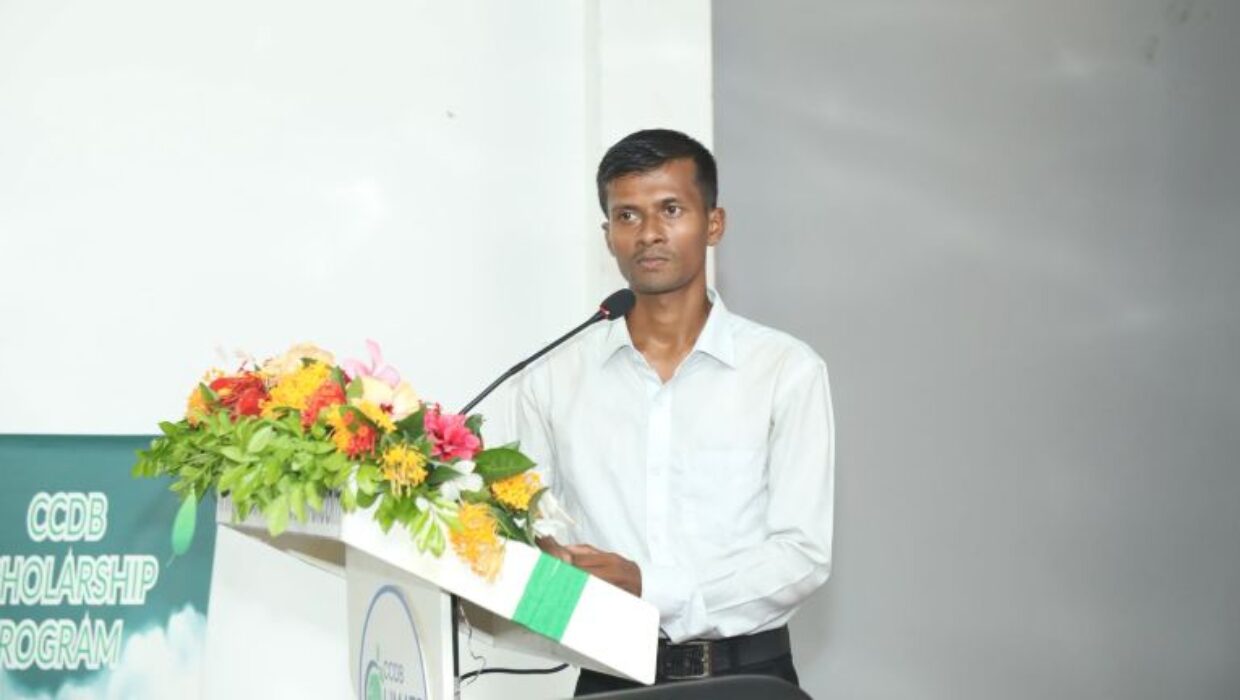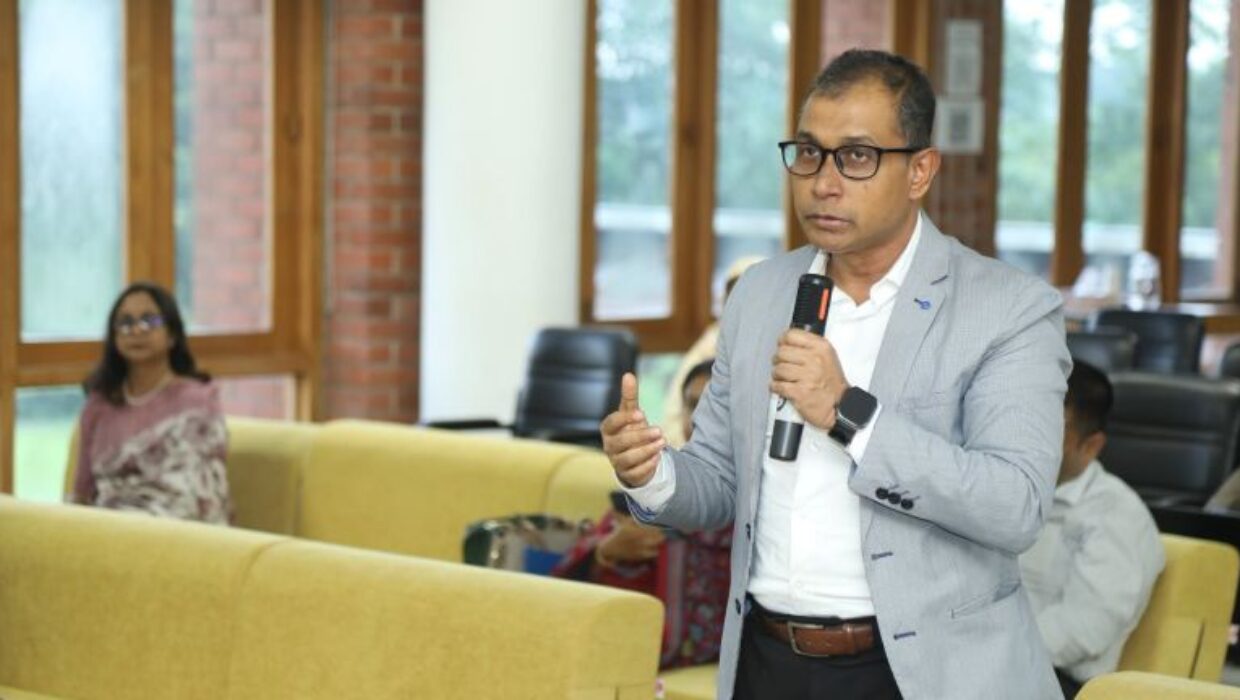
๐—–๐—–๐——๐—• ๐—ต๐—ผ๐˜€๐˜๐—ฒ๐—ฑ ๐˜๐—ต๐—ฒ ๐—˜๐˜…๐—ฝ๐—ผ๐˜€๐˜‚๐—ฟ๐—ฒ ๐—ฉ๐—ถ๐˜€๐—ถ๐˜ ๐˜๐—ผ ๐—•๐—ฎ๐—ป๐—ด๐—น๐—ฎ๐—ฑ๐—ฒ๐˜€๐—ต ๐—ณ๐—ผ๐—ฟ ๐˜๐—ต๐—ฒ ๐—ฃ๐—˜๐—˜๐——๐—”, ๐—ก๐—ฒ๐—ฝ๐—ฎ๐—น ๐—ฎ๐—ป๐—ฑ ๐—ถ๐˜๐˜€ ๐—น๐—ผ๐—ฐ๐—ฎ๐—น ๐—ฝ๐—ฎ๐—ฟ๐˜๐—ป๐—ฒ๐—ฟ ๐—ผ๐—ฟ๐—ด๐—ฎ๐—ป๐—ถ๐˜‡๐—ฎ๐˜๐—ถ๐—ผ๐—ป๐˜€

๐—–๐—–๐——๐—• ๐—ต๐—ผ๐˜€๐˜๐—ฒ๐—ฑ ๐˜๐—ต๐—ฒ ๐—˜๐˜…๐—ฝ๐—ผ๐˜€๐˜‚๐—ฟ๐—ฒ ๐—ฉ๐—ถ๐˜€๐—ถ๐˜ ๐˜๐—ผ ๐—•๐—ฎ๐—ป๐—ด๐—น๐—ฎ๐—ฑ๐—ฒ๐˜€๐—ต ๐—ณ๐—ผ๐—ฟ ๐˜๐—ต๐—ฒ ๐—ฃ๐—˜๐—˜๐——๐—”, ๐—ก๐—ฒ๐—ฝ๐—ฎ๐—น ๐—ฎ๐—ป๐—ฑ ๐—ถ๐˜๐˜€ ๐—น๐—ผ๐—ฐ๐—ฎ๐—น ๐—ฝ๐—ฎ๐—ฟ๐˜๐—ป๐—ฒ๐—ฟ ๐—ผ๐—ฟ๐—ด๐—ฎ๐—ป๐—ถ๐˜‡๐—ฎ๐˜๐—ถ๐—ผ๐—ป๐˜€

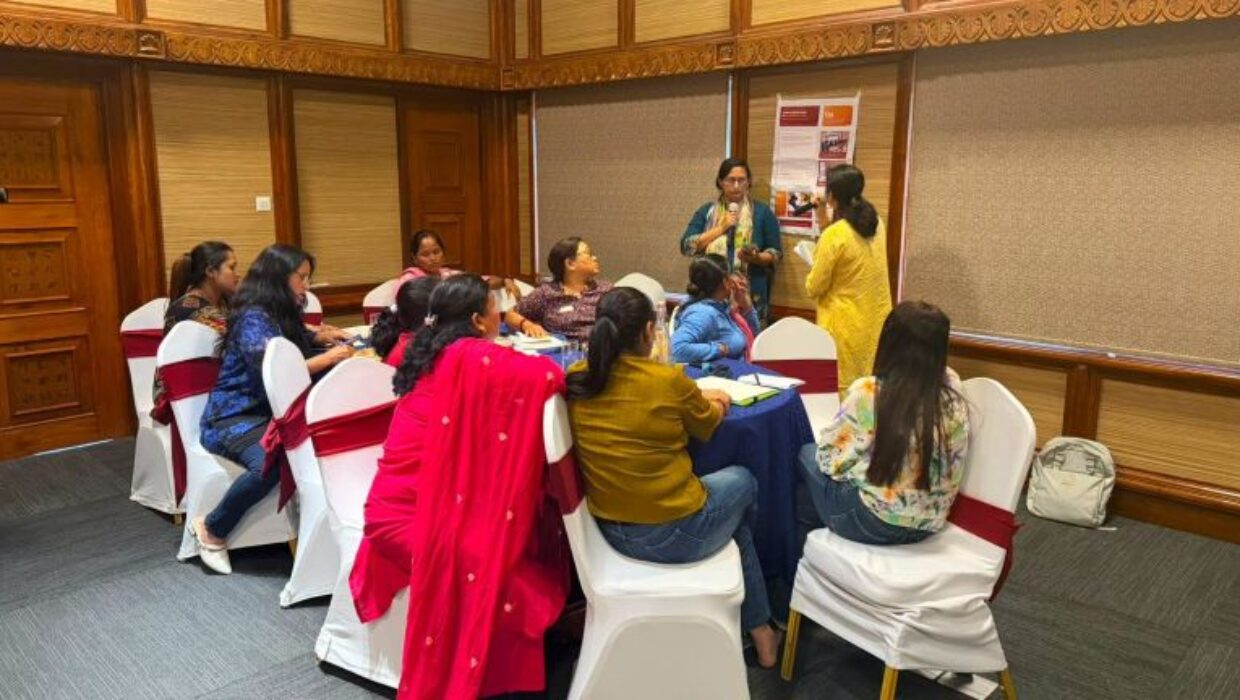
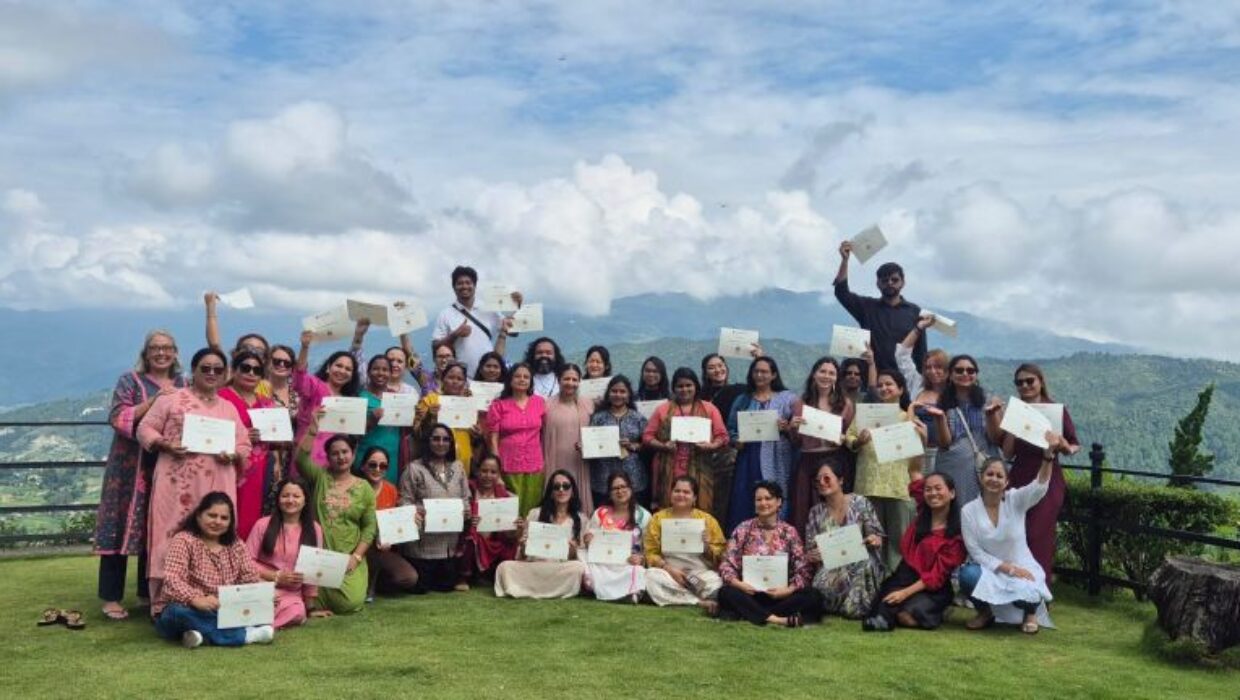
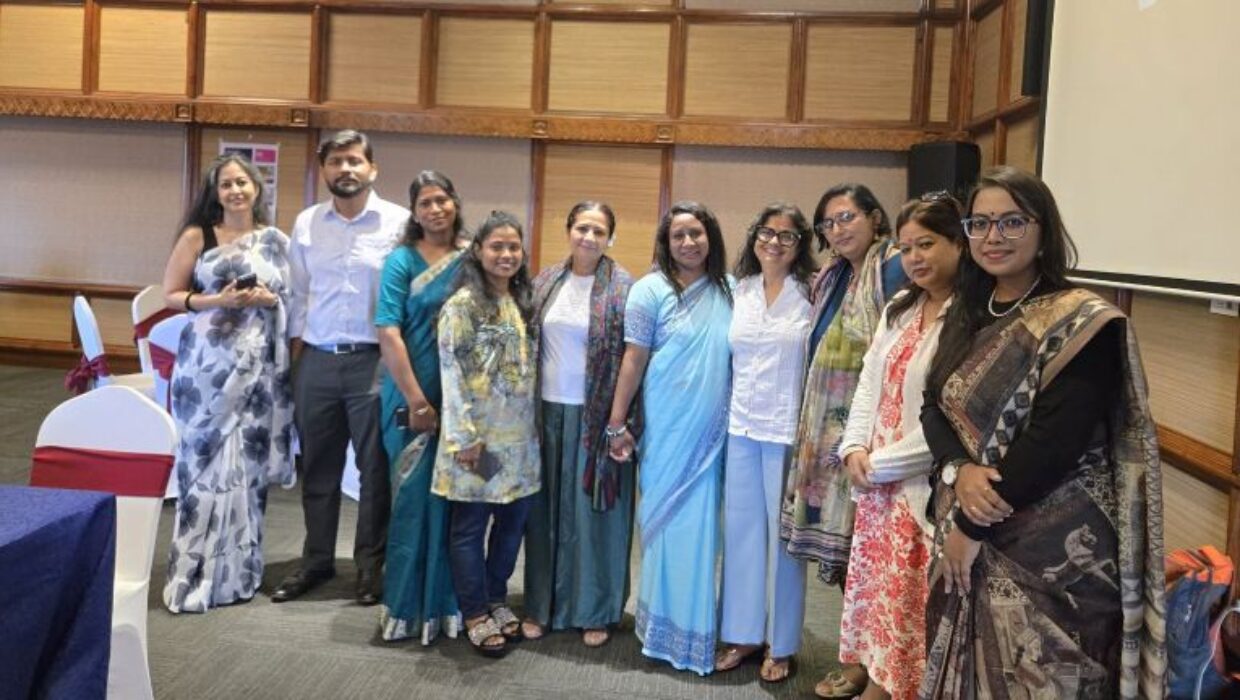
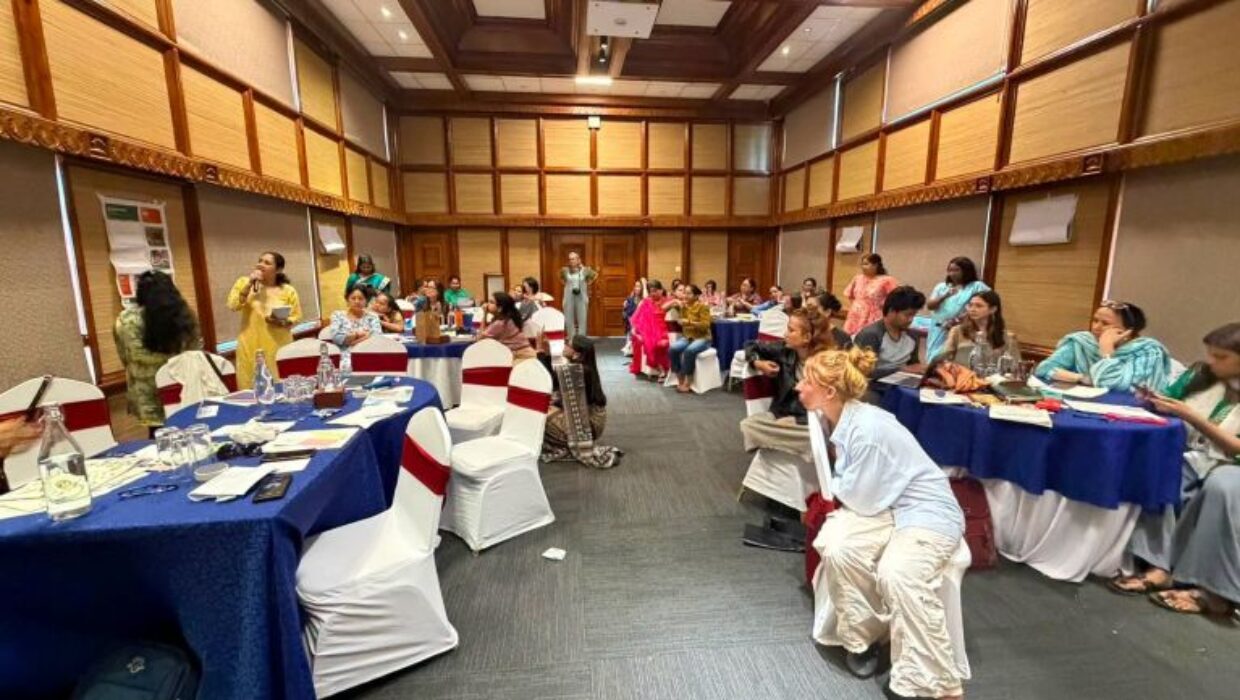
From 19 to 24 April 2026, Christian Commission for Development in Bangladesh (CCDB) hosted the Exposure Visit to Bangladesh by PEEDA, Nepal, and its local partner organizations under the Regional Enhancement for Climate Adaptation and Partnership (RECAP) project. RECAP is a multi-country initiative being implemented in Bangladesh, India, Nepal, and Pakistan through a consortium approach, with CCDB as the lead organization. The project is funded by Brot fรผr die Welt (Bread for the World), Germany.

The objective of the exposure visit was to offer visitors practical insights into climate action in Bangladesh, while showcasing the initiatives undertaken by CCDB to foster community empowerment and raise awareness in addressing local challenges.
A total of 13 participants from the PEEDA (04 representatives) and its local partner organizations (09 representatives) of Nepal visited Bangladesh:

โ—ผ๏ธPeople, Energy & Environment Development Association (PEEDA)
โ—ผ๏ธLocal Initiatives for Biodiversity, Research and Development (Li-BIRD)
โ—ผ๏ธKarnali Integrated Rural Development and Research Centre (KIRDARC)
โ—ผ๏ธPrakriti Resources Centre (PRC)
โ—ผ๏ธUnited Mission to Nepal (UMN)
โ—ผ๏ธCenter for Social Change (CSC)
โ—ผ๏ธWildlife Conservation Nepal (WCN)
โ—ผ๏ธYouth Acting for Change -Nepal (YAC)
โ—ผ๏ธFood First Information and Action Network (FIAN).

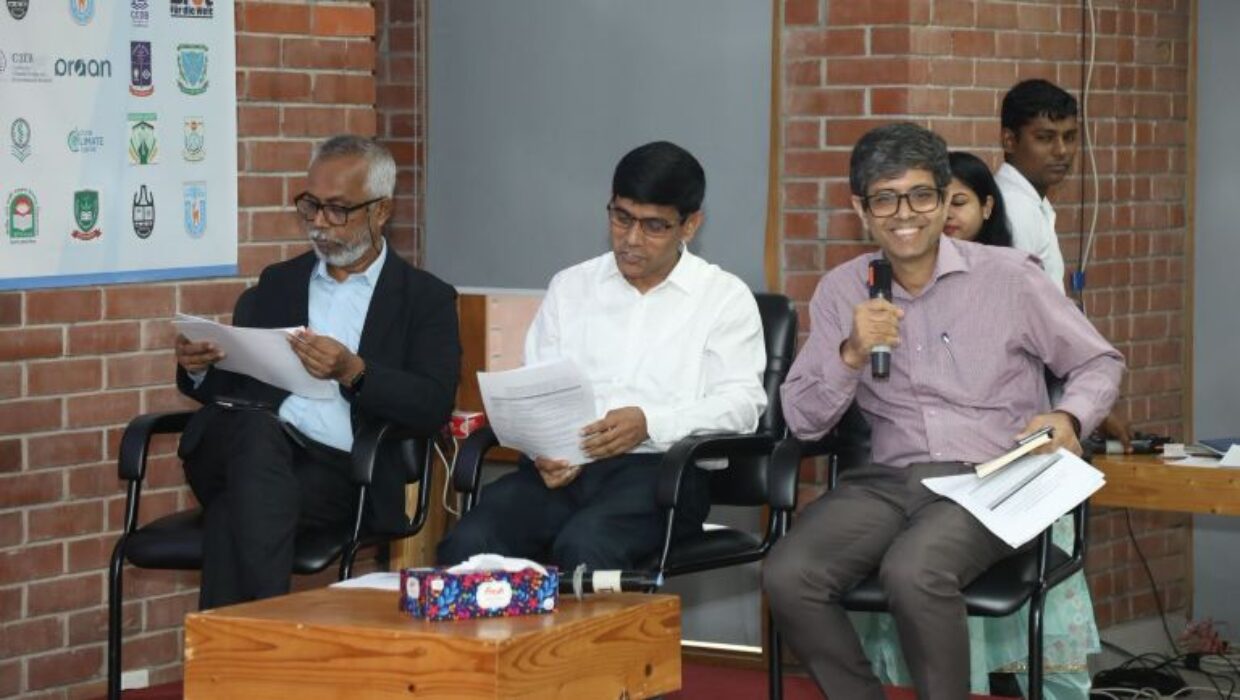
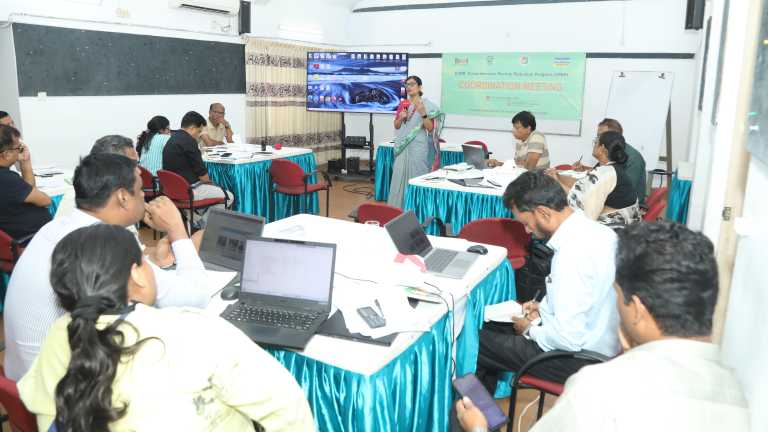
On 20 April, the visitors had a meetin with the Senior Management Team (SMT) and relevant colleagues. Juliate Keya Malakar, Executive Director of CCDB, highlighted the organizational goals, objectives, and motto and mentioned that the RECAP project can strengthen regional collaboration and benefit participating countries.

On 21 April, a field visit to the CCDB Climate Centre in Gazipur allowed the Nepalese team to explore climate adaptation and mitigation technologies and assess their practical applications. Following the visit, they shared insights, experiences, and potential for replicating these solutions in their own country.
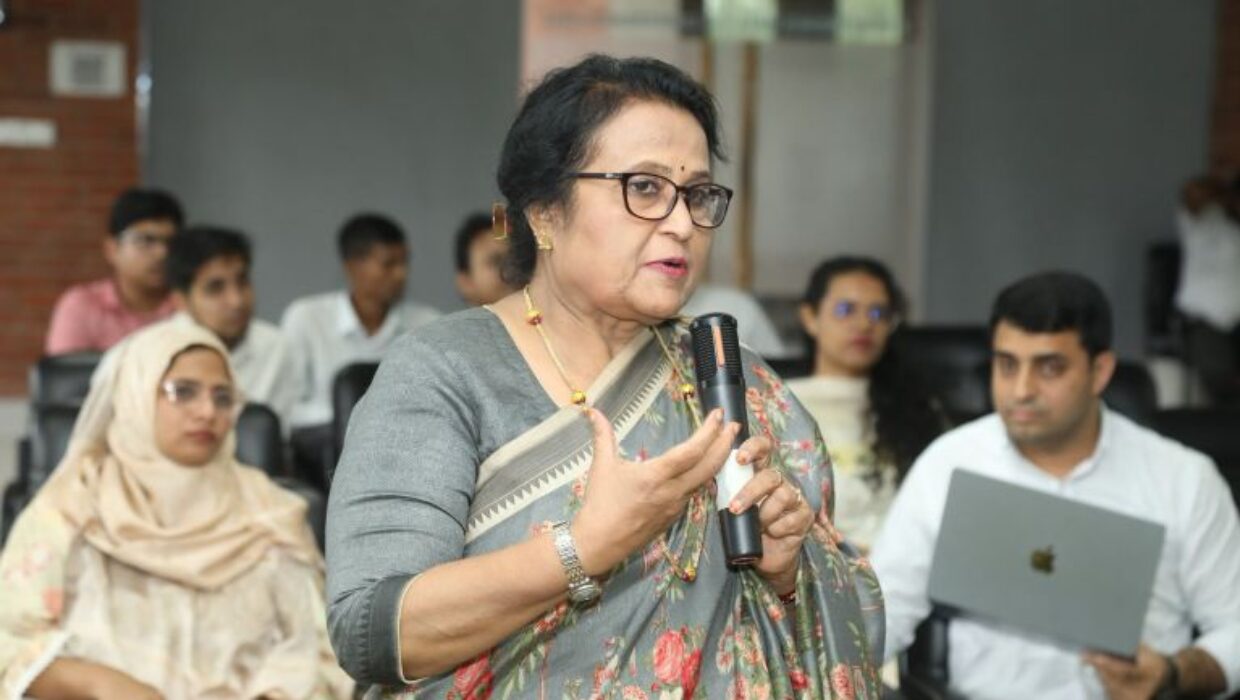
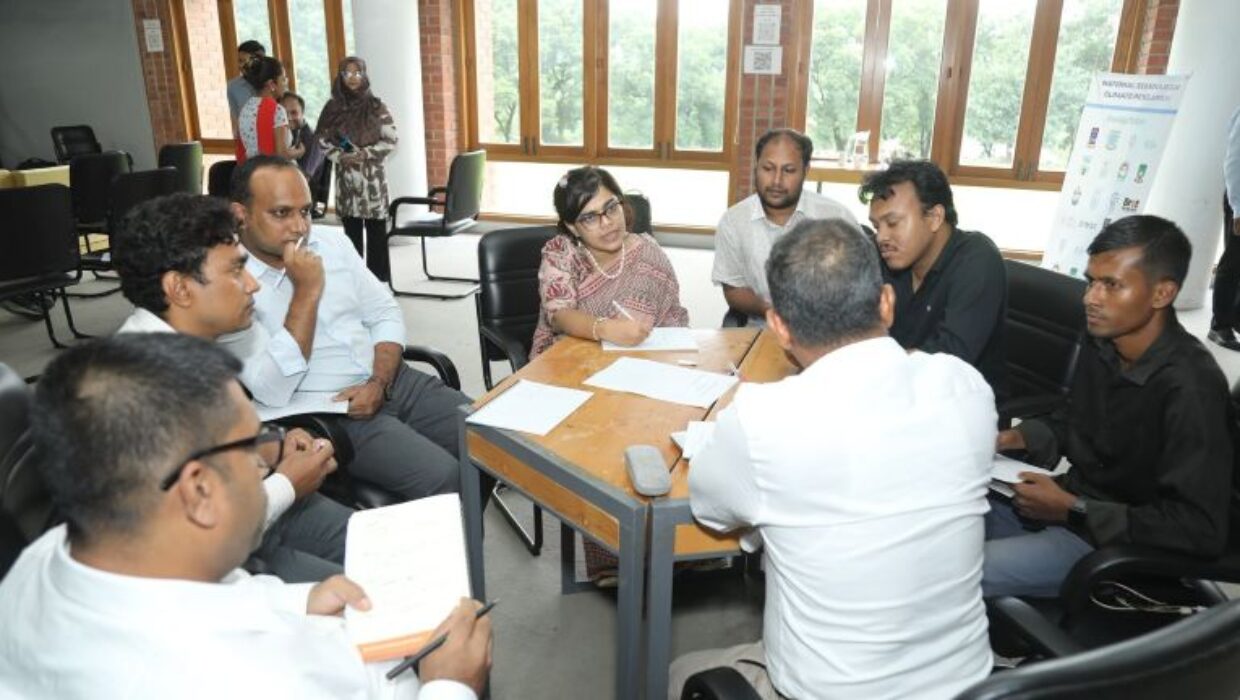
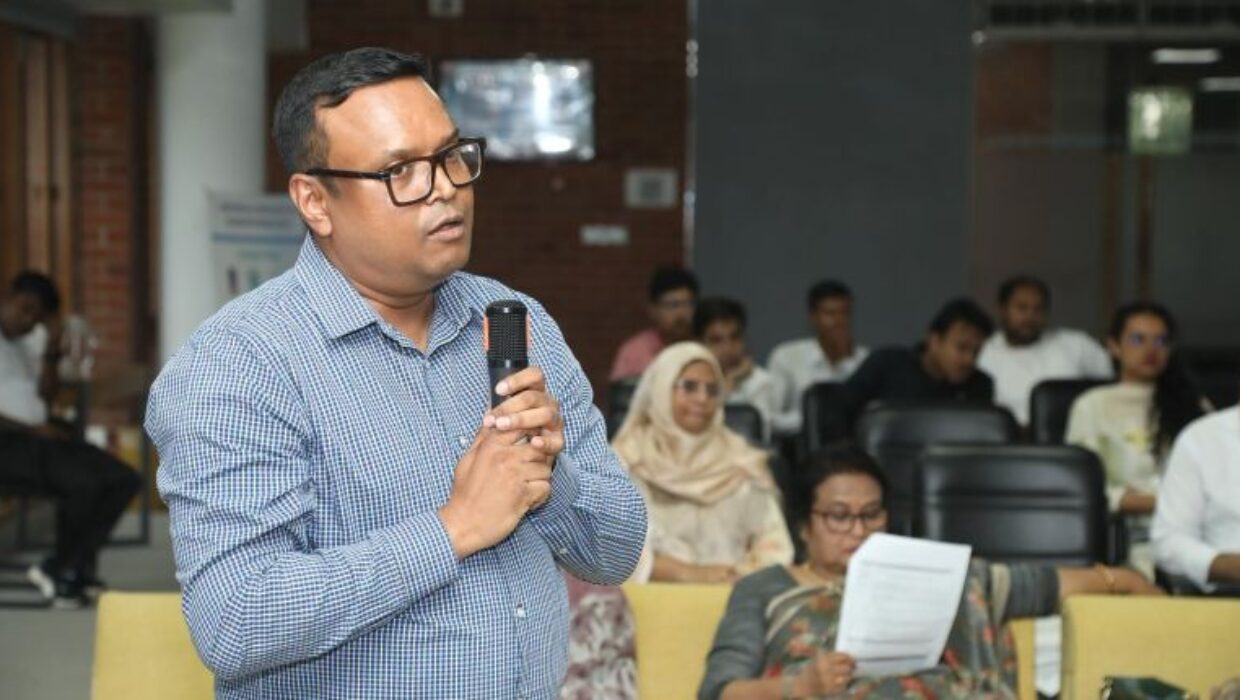
On 22 April, the visitors met with representatives of CCDBโ€™s local partner organizations under the RECAP project in an interactive session, exchanging views and feedback. They noted that RECAP can strengthen partners’ capacity for effective climate action across four South Asian countries and emphasized continued engagement with government stakeholders to position RECAP for long-term adaptation and resilience planning.

On 23 April, the team visited the CCDB field office in Manikganj to observe community-based adaptation practices, a womenโ€™s forum, climate-resilient farming techniques, and environment-friendly cooking solutions that contribute to climate resilience and livelihood improvement.

Through the exposure visit to Bangladesh, participants from PEEDA and its local partner organizations learned how CCDB has been working on climate change and contributing to the climate change intervention sector. Now, it is expected that the visiting team members will use these in their own work areas and replicate and innovate for climate action. Besides, the visit will strengthen the partnership among the CCDB, PEEDA, and RECAP’s local partner organizations to achieve BftWโ€™s climate goals in South Asia.

Photo Gallery
๐—•๐—ฎ๐—ป๐—ด๐—น๐—ฎ๐—ฑ๐—ฒ๐˜€๐—ต ๐—–๐—น๐—ถ๐—บ๐—ฎ๐˜๐—ฒ ๐—”๐—ฐ๐˜๐—ถ๐—ผ๐—ป: ๐—ฉ๐˜‚๐—น๐—ป๐—ฒ๐—ฟ๐—ฎ๐—ฏ๐—ถ๐—น๐—ถ๐˜๐—ถ๐—ฒ๐˜€, ๐—–๐—ฎ๐—ฝ๐—ฎ๐—ฐ๐—ถ๐˜๐˜† at ๐—–๐—ข๐—ฃ ๐Ÿฏ๐Ÿฌ

๐—•๐—ฎ๐—ป๐—ด๐—น๐—ฎ๐—ฑ๐—ฒ๐˜€๐—ต ๐—–๐—น๐—ถ๐—บ๐—ฎ๐˜๐—ฒ ๐—”๐—ฐ๐˜๐—ถ๐—ผ๐—ป: ๐—ฉ๐˜‚๐—น๐—ป๐—ฒ๐—ฟ๐—ฎ๐—ฏ๐—ถ๐—น๐—ถ๐˜๐—ถ๐—ฒ๐˜€, ๐—–๐—ฎ๐—ฝ๐—ฎ๐—ฐ๐—ถ๐˜๐˜† at ๐—–๐—ข๐—ฃ ๐Ÿฏ๐Ÿฌ

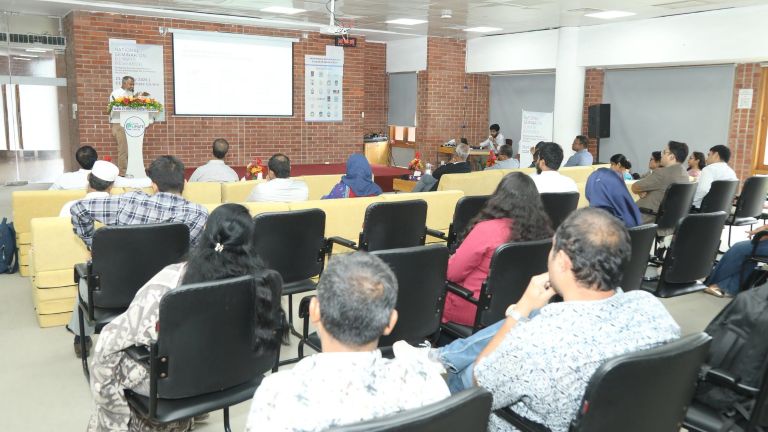
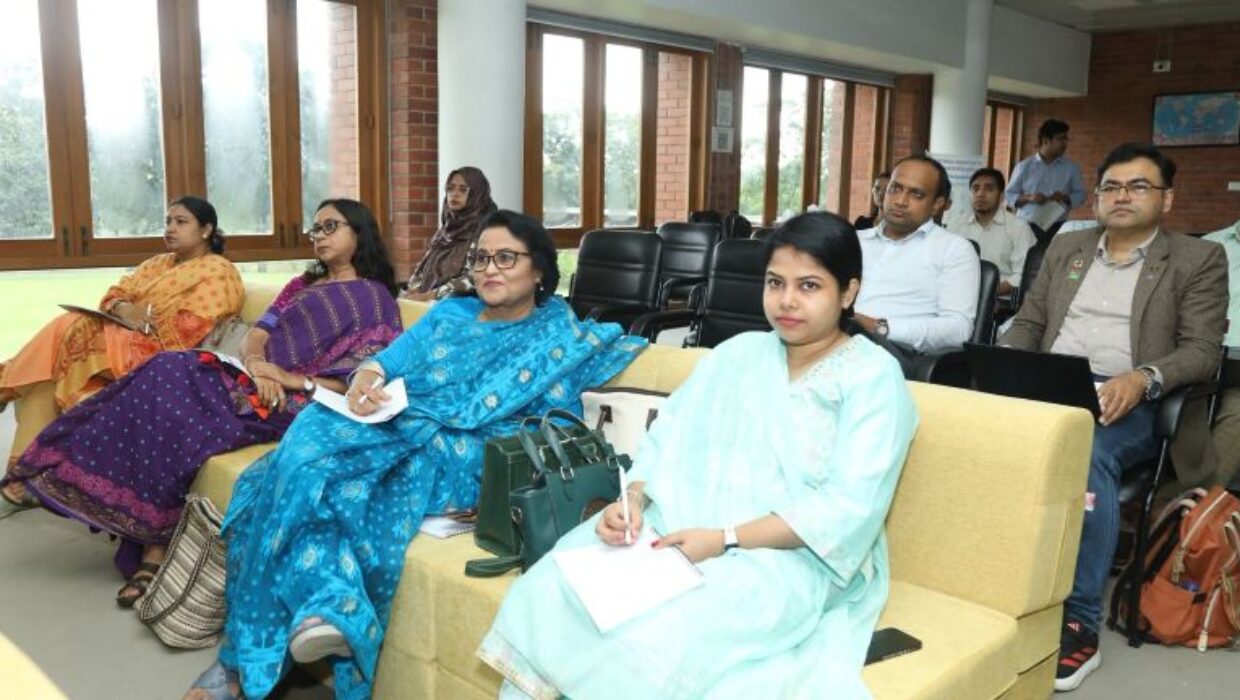
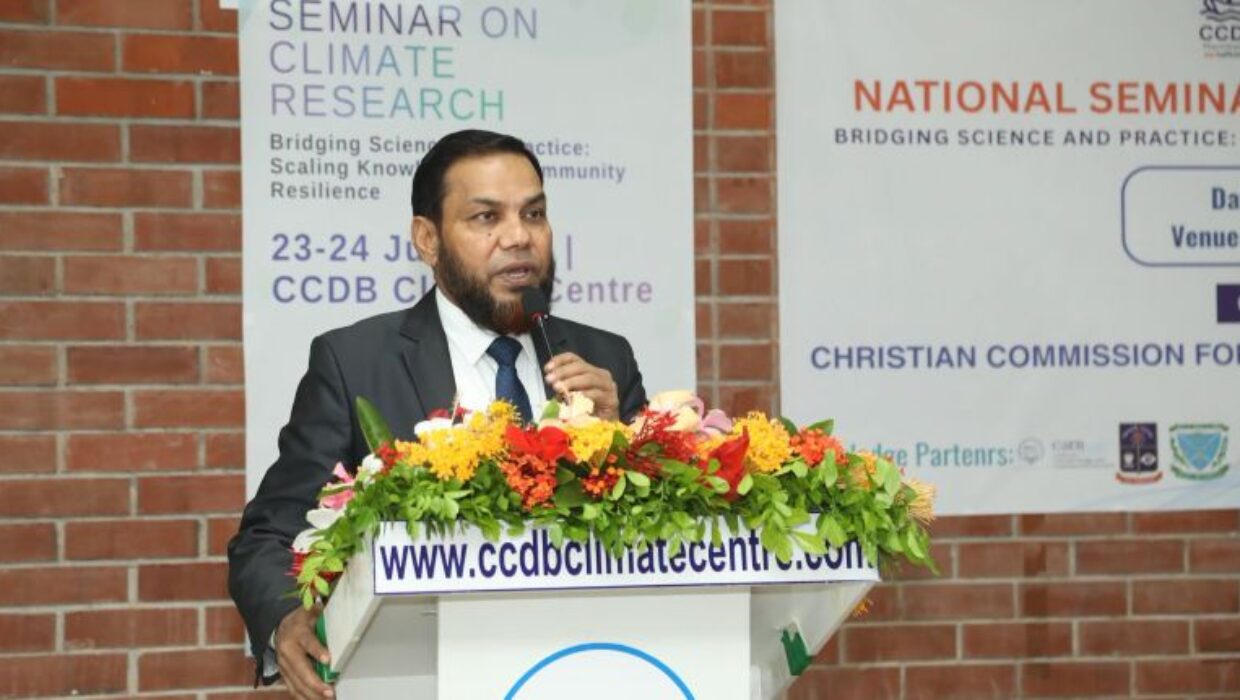
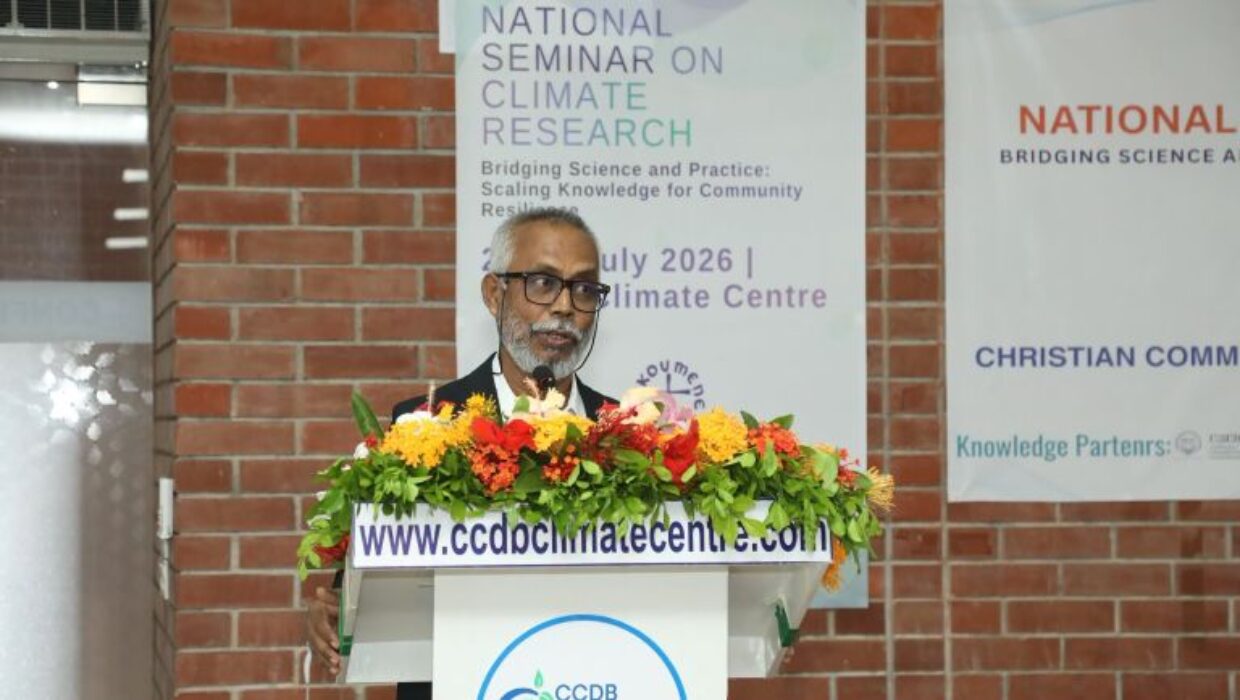
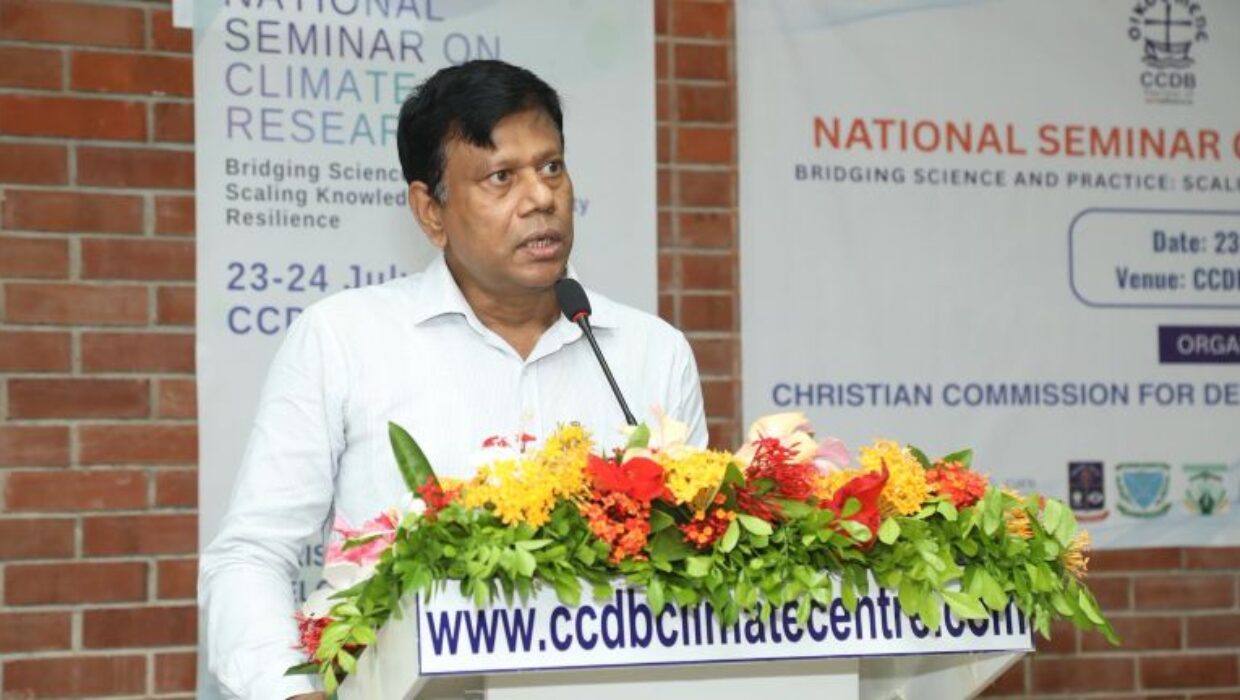
On ๐—ฆ๐—ฒ๐—ฝ๐˜๐—ฒ๐—บ๐—ฏ๐—ฒ๐—ฟ ๐Ÿฐ, ๐Ÿฎ๐Ÿฌ๐Ÿฎ๐Ÿฑ, a national seminar was held at the ๐—•๐—ฎ๐—ป๐—ด๐—น๐—ฎ๐—ฑ๐—ฒ๐˜€๐—ต ๐—œ๐—ป๐˜€๐˜๐—ถ๐˜๐˜‚๐˜๐—ฒ ๐—ผ๐—ณ ๐— ๐—ฎ๐—ป๐—ฎ๐—ด๐—ฒ๐—บ๐—ฒ๐—ป๐˜ (๐—•๐—œ๐— ), Dhaka, to reflect on Bangladeshโ€™s climate challenges and priorities ahead of ๐—–๐—ข๐—ฃ ๐Ÿฏ๐Ÿฌ. The event brought together policymakers, climate experts, development practitioners, and civil society representatives for a robust exchange of ideas.

Chaired by ๐——๐—ฟ. ๐—ž๐—ต๐—ฎ๐—ป๐—ฑ๐—ผ๐—ธ๐—ฒ๐—ฟ ๐—”๐˜‡๐—ถ๐˜‡๐˜‚๐—น ๐—œ๐˜€๐—น๐—ฎ๐—บ, ๐——๐—ถ๐—ฟ๐—ฒ๐—ฐ๐˜๐—ผ๐—ฟ ๐—š๐—ฒ๐—ป๐—ฒ๐—ฟ๐—ฎ๐—น ๐—ผ๐—ณ ๐—•๐—œ๐— , ๐— ๐—ฟ. ๐—ฆ๐—ต๐—ถ๐˜€๐—ต ๐—›๐—ฎ๐—ถ๐—ฑ๐—ฒ๐—ฟ ๐—–๐—ต๐—ผ๐˜„๐—ฑ๐—ต๐˜‚๐—ฟ๐˜†, ๐—ป๐—ฑ๐—ฐ, ๐—ฆ๐—ฒ๐—ฐ๐—ฟ๐—ฒ๐˜๐—ฎ๐—ฟ๐˜†, ๐—œ๐—–๐—ง ๐——๐—ถ๐˜ƒ๐—ถ๐˜€๐—ถ๐—ผ๐—ป, as the Chief Guest, and ๐——๐—ฟ. ๐—”๐—ถ๐—ป๐˜‚๐—ป ๐—ก๐—ถ๐˜€๐—ต๐—ฎ๐˜, ๐—ฃ๐—ฟ๐—ผ๐—ณ๐—ฒ๐˜€๐˜€๐—ผ๐—ฟ ๐—˜๐—บ๐—ฒ๐—ฟ๐—ถ๐˜๐˜‚๐˜€ & ๐—”๐—ฑ๐˜ƒ๐—ถ๐˜€๐—ผ๐—ฟ, ๐—–๐Ÿฏ๐—˜๐—ฅ, ๐—•๐—ฅ๐—”๐—– ๐—จ๐—ป๐—ถ๐˜ƒ๐—ฒ๐—ฟ๐˜€๐—ถ๐˜๐˜†, as the principal discussant.

Other distinguished panelists included:

Prof. Dr. Md. Niamul Naser, University of Dhaka.

Prof. Dr. Harold Sougato Baroi, University of Rajshahi.

Md. Amir Hosain Chowdhury, Chief Conservator of Forests, Forest Department.

Md. Shamsuddoha, Chief Executive, Center for Participatory Research and Development.

  1. M. Mehedi Ahsan, International Team Leader, Climate Change Adapted Urban Development Program (Phase II)โ€”Khulna.

In his keynote remarks, the Chief Guest stressed the governmentโ€™s initiatives to foster collaboration between government institutions, academia, and the private sector in tackling climate change. He also highlighted the urgent need to develop ๐—ฎ ๐—ป๐—ฎ๐˜๐—ถ๐—ผ๐—ป๐—ฎ๐—น ๐—ฝ๐—ผ๐—ผ๐—น ๐—ผ๐—ณ ๐—ฐ๐—น๐—ถ๐—บ๐—ฎ๐˜๐—ฒ ๐—ฒ๐˜…๐—ฝ๐—ฒ๐—ฟ๐˜๐˜€ to strengthen Bangladeshโ€™s capacity for climate solutions.

The discussions highlighted:

  • ๐—•๐—ฎ๐—ป๐—ด๐—น๐—ฎ๐—ฑ๐—ฒ๐˜€๐—ตโ€™๐˜€ ๐—ฎ๐—ฐ๐˜‚๐˜๐—ฒ ๐—ฐ๐—น๐—ถ๐—บ๐—ฎ๐˜๐—ฒ ๐˜ƒ๐˜‚๐—น๐—ป๐—ฒ๐—ฟ๐—ฎ๐—ฏ๐—ถ๐—น๐—ถ๐˜๐—ถ๐—ฒ๐˜€โ€“from rising sea levels to erratic floods and cyclones, the risks are real and demand urgent action.
  • ๐—ง๐—ต๐—ฒ ๐˜‚๐—ฟ๐—ด๐—ฒ๐—ป๐—ฐ๐˜† ๐—ผ๐—ณ ๐—ฏ๐˜‚๐—ถ๐—น๐—ฑ๐—ถ๐—ป๐—ด ๐—ป๐—ฎ๐˜๐—ถ๐—ผ๐—ป๐—ฎ๐—น ๐—ฐ๐—ฎ๐—ฝ๐—ฎ๐—ฐ๐—ถ๐˜๐˜†โ€“strengthening our institutions, knowledge base, and skilled human resources is key to tackling the climate crisis effectively.
  • ๐—ฆ๐˜๐—ฟ๐—ผ๐—ป๐—ด๐—ฒ๐—ฟ ๐—ฐ๐—ผ๐—น๐—น๐—ฎ๐—ฏ๐—ผ๐—ฟ๐—ฎ๐˜๐—ถ๐—ผ๐—ป ๐—ฎ๐—ฐ๐—ฟ๐—ผ๐˜€๐˜€ ๐—ฎ๐—น๐—น ๐˜€๐—ฒ๐—ฐ๐˜๐—ผ๐—ฟ๐˜€โ€“government, academia, civil society, and the private sector must come together to create holistic and sustainable solutions.
  • ๐—–๐—น๐—ฒ๐—ฎ๐—ฟ ๐—ฝ๐—ฟ๐—ถ๐—ผ๐—ฟ๐—ถ๐˜๐—ถ๐—ฒ๐˜€ ๐—ณ๐—ผ๐—ฟ ๐˜๐—ต๐—ฒ ๐—ณ๐˜‚๐˜๐˜‚๐—ฟ๐—ฒโ€“climate-resilient adaptation, a just energy transition, and fair access to international climate finance are essential for protecting communities and securing Bangladeshโ€™s rightful place in global climate negotiations.

The seminar was ๐—ท๐—ผ๐—ถ๐—ป๐˜๐—น๐˜† ๐—ผ๐—ฟ๐—ด๐—ฎ๐—ป๐—ถ๐˜‡๐—ฒ๐—ฑ ๐—ฏ๐˜† ๐—–๐—–๐——๐—• ๐—ฎ๐—ป๐—ฑ ๐—•๐—œ๐— , with both institutions presenting their ongoing activities to support Bangladeshโ€™s climate journey.

Together, we are working to ensure that Bangladeshโ€™s voice is stronger and more effective in the global climate arena at ๐—–๐—ข๐—ฃ ๐Ÿฏ๐Ÿฌ.

PHOTOS:

๐—–๐—–๐——๐—• ๐—ฃ๐—ฎ๐—ฟ๐˜๐—ถ๐—ฐ๐—ถ๐—ฝ๐—ฎ๐˜๐—ฒ๐˜€ ๐—ถ๐—ป ๐—ฆ๐˜๐—ฟ๐—ฎ๐˜๐—ฒ๐—ด๐—ถ๐—ฐ ๐— ๐—ฒ๐—ฒ๐˜๐—ถ๐—ป๐—ด ๐—ผ๐—ณ ๐—˜๐—ก๐—š๐—”๐—š๐—˜ ๐—ฃ๐—ฟ๐—ผ๐—ท๐—ฒ๐—ฐ๐˜ ๐—ถ๐—ป ๐—ก๐—ฒ๐—ฝ๐—ฎ๐—น

๐—–๐—–๐——๐—• ๐—ฃ๐—ฎ๐—ฟ๐˜๐—ถ๐—ฐ๐—ถ๐—ฝ๐—ฎ๐˜๐—ฒ๐˜€ ๐—ถ๐—ป ๐—ฆ๐˜๐—ฟ๐—ฎ๐˜๐—ฒ๐—ด๐—ถ๐—ฐ ๐— ๐—ฒ๐—ฒ๐˜๐—ถ๐—ป๐—ด ๐—ผ๐—ณ ๐—˜๐—ก๐—š๐—”๐—š๐—˜ ๐—ฃ๐—ฟ๐—ผ๐—ท๐—ฒ๐—ฐ๐˜ ๐—ถ๐—ป ๐—ก๐—ฒ๐—ฝ๐—ฎ๐—น

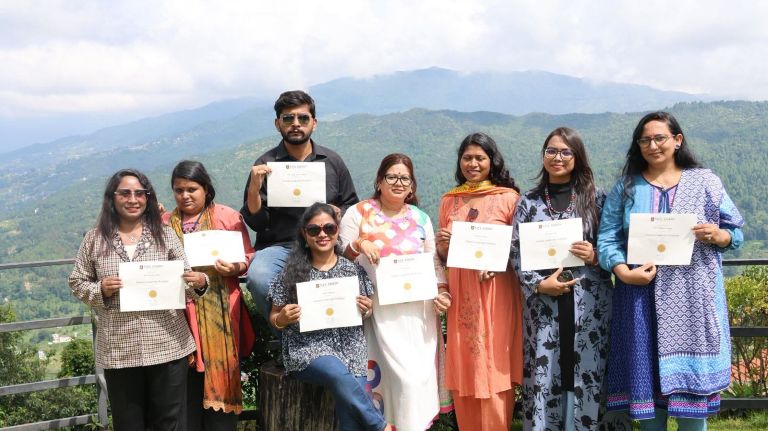
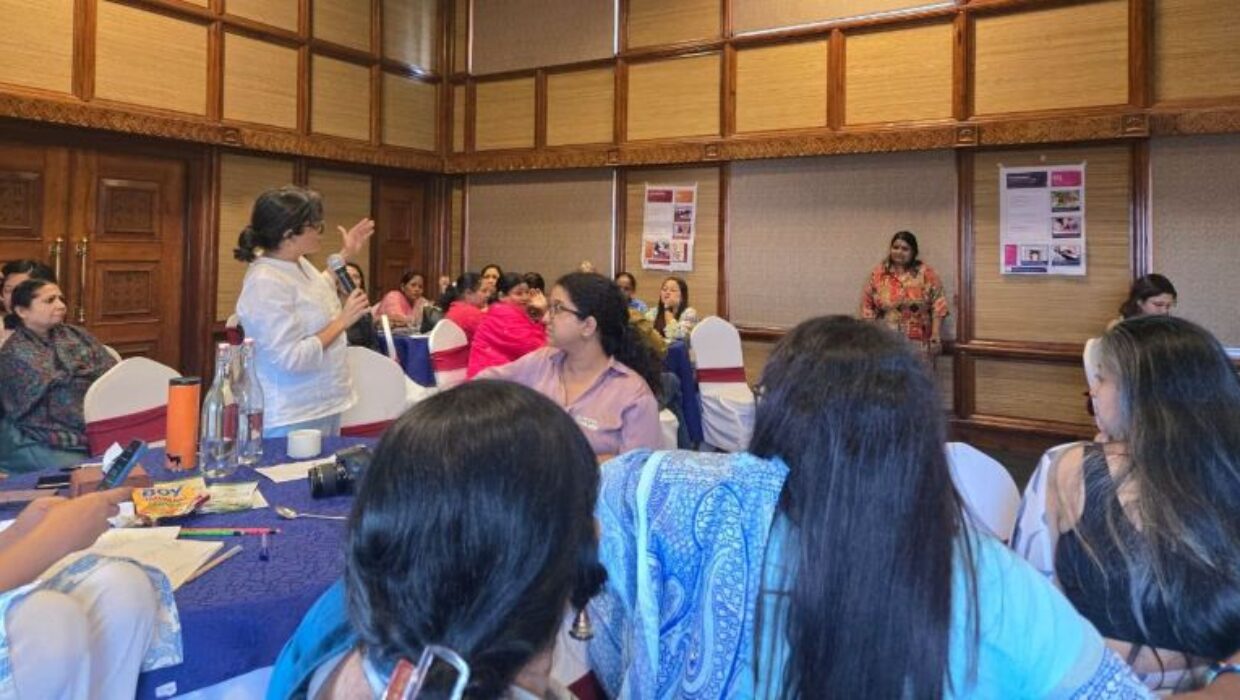
A strategic team from CCDB, including the Executive Director, Head of MEL, and Project Manager, attended a five-days Project Management and Steering Committee Meeting of the ENGAGE Project in Nepal from 1โ€“5 September 2025.

The meeting was held at ๐—–๐—น๐˜‚๐—ฏ ๐—›๐—ถ๐—บ๐—ฎ๐—น๐—ฎ๐˜†๐—ฎ ๐—ฅ๐—ฒ๐˜€๐—ผ๐—ฟ๐˜,ย  ๐—ก๐—ฎ๐—ด๐—ฎ๐—ฟ๐—ธ๐—ผ๐˜, ๐—ก๐—ฒ๐—ฝ๐—ฎ๐—น, with the following key objectives:

  • Reconnecting and deepening trust and collaboration among partners
  • Reflecting on lessons learned, including both challenges and successes, throughout the ENGAGE journey
  • Reviewing the collective journey and contributing inputs to shape the next phase of the work
  • Exploring opportunities for sustained partnership and collaboration beyond the ENGAGE Project

The event brought together all five implementing partners of the ENGAGE Project, including:

  • ๐‚๐‚๐ƒ๐ (๐๐š๐ง๐ ๐ฅ๐š๐๐ž๐ฌ๐ก)
  • ๐’๐„๐–๐€ (๐ˆ๐ง๐๐ข๐š)
  • ๐–๐ˆ๐’๐„ (๐„๐ญ๐ก๐ข๐จ๐ฉ๐ข๐š)
  • ๐“๐†๐๐ (๐“๐š๐ง๐ณ๐š๐ง๐ข๐š)
  • ๐‚๐‹๐„ (๐‡๐š๐ข๐ญ๐ข)

with leadership and facilitation from the ๐—–๐—ผ๐—ฎ๐—ฑ๐˜† ๐—œ๐—ป๐˜€๐˜๐—ถ๐˜๐˜‚๐˜๐—ฒ (๐—–๐—ฎ๐—ป๐—ฎ๐—ฑ๐—ฎ).

The five-daysโ€™ engagement created a vibrant environment to look back in order to move forward. Through interactive sessions, partners shared creative ideas that will support the Coady Institute in shaping the next phase of the ENGAGE Project.

Photo gallery on the event

๐—–๐—–๐——๐—• ๐—Ÿ๐—ฒ๐—ฎ๐—ฑ๐˜€ ๐— ๐˜‚๐—น๐˜๐—ถ-๐—–๐—ผ๐˜‚๐—ป๐˜๐—ฟ๐˜† ๐—–๐—น๐—ถ๐—บ๐—ฎ๐˜๐—ฒ ๐—”๐—ฑ๐—ฎ๐—ฝ๐˜๐—ฎ๐˜๐—ถ๐—ผ๐—ป ๐—ฃ๐—ฟ๐—ผ๐—ท๐—ฒ๐—ฐ๐˜ โ€“ ๐—ฅ๐—˜๐—–๐—”๐—ฃ ๐—•๐—ฒ๐—ด๐—ถ๐—ป๐˜€

๐—–๐—–๐——๐—• ๐—Ÿ๐—ฒ๐—ฎ๐—ฑ๐˜€ ๐— ๐˜‚๐—น๐˜๐—ถ-๐—–๐—ผ๐˜‚๐—ป๐˜๐—ฟ๐˜† ๐—–๐—น๐—ถ๐—บ๐—ฎ๐˜๐—ฒ ๐—”๐—ฑ๐—ฎ๐—ฝ๐˜๐—ฎ๐˜๐—ถ๐—ผ๐—ป ๐—ฃ๐—ฟ๐—ผ๐—ท๐—ฒ๐—ฐ๐˜ โ€“ ๐—ฅ๐—˜๐—–๐—”๐—ฃ ๐—•๐—ฒ๐—ด๐—ถ๐—ป๐˜€

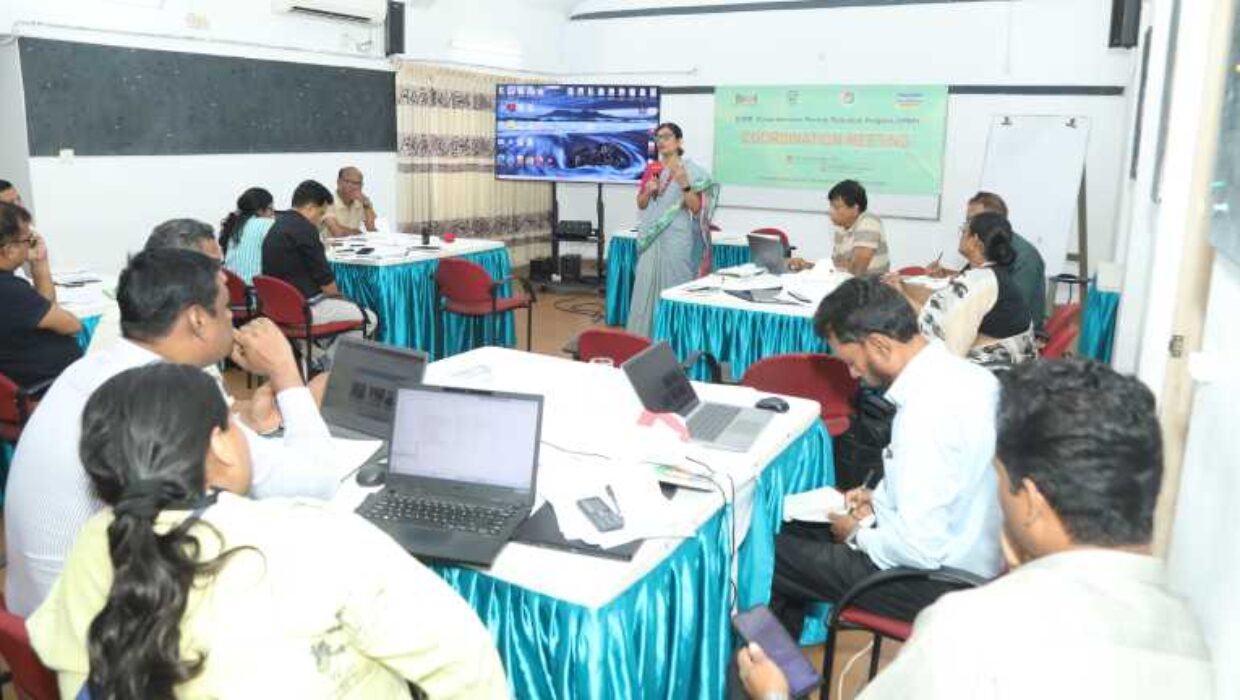
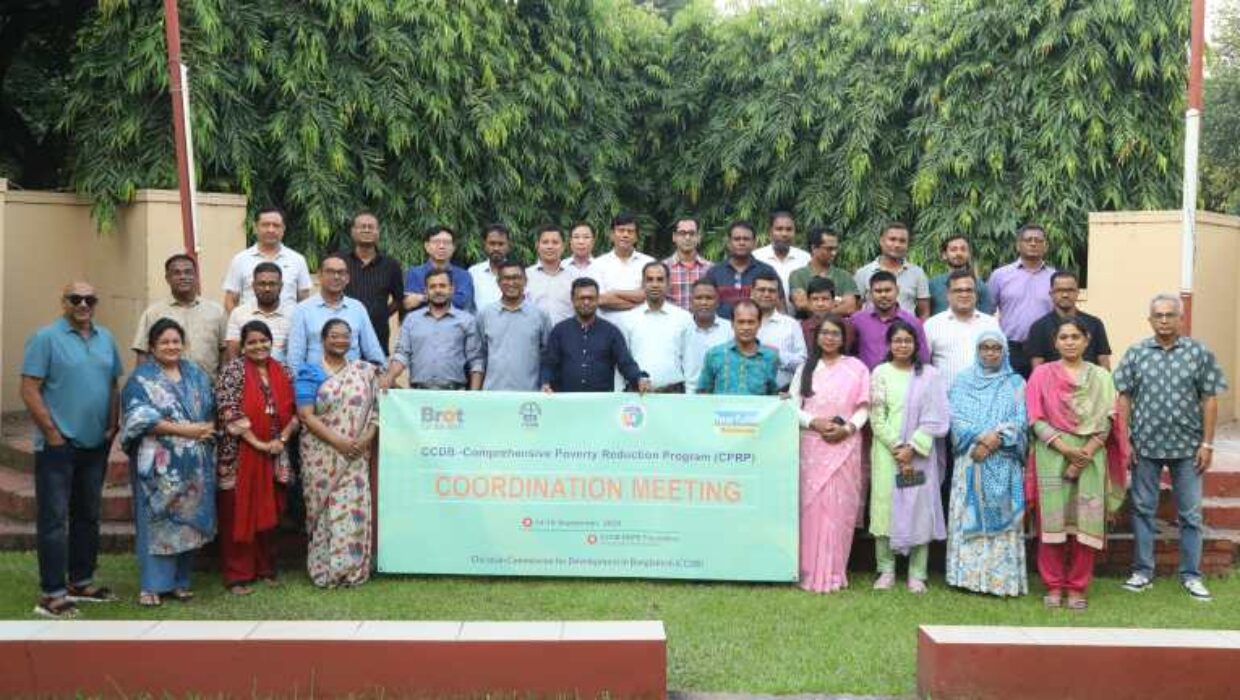
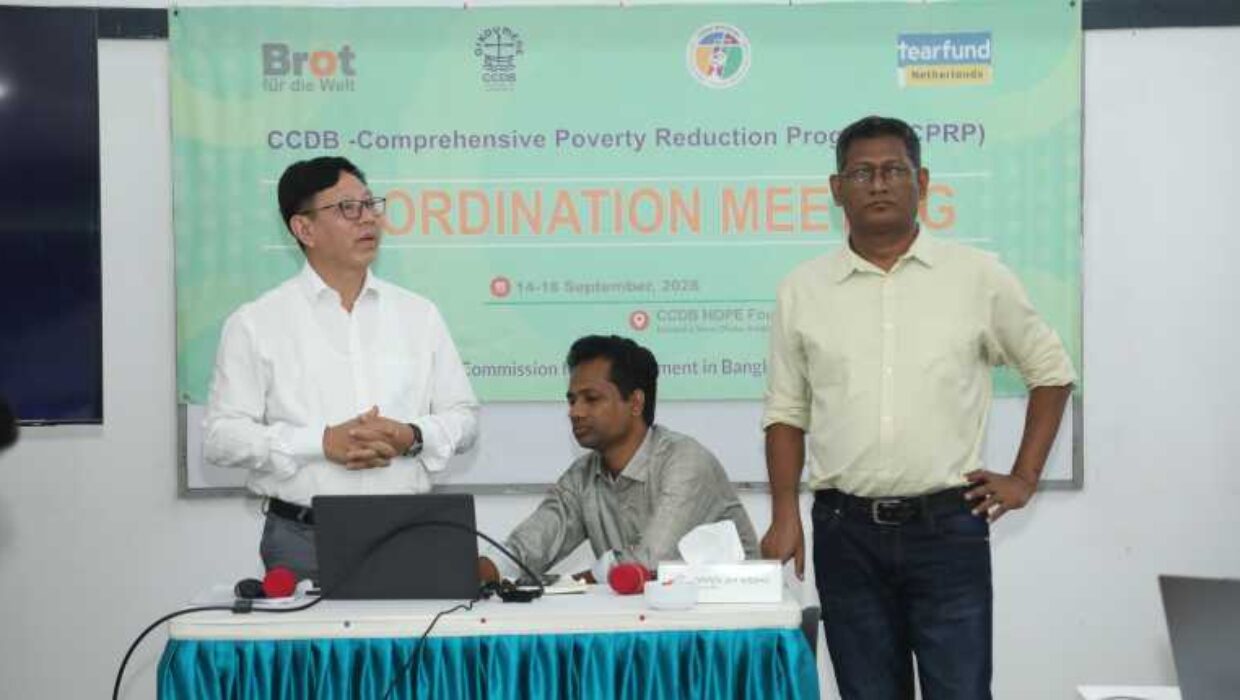
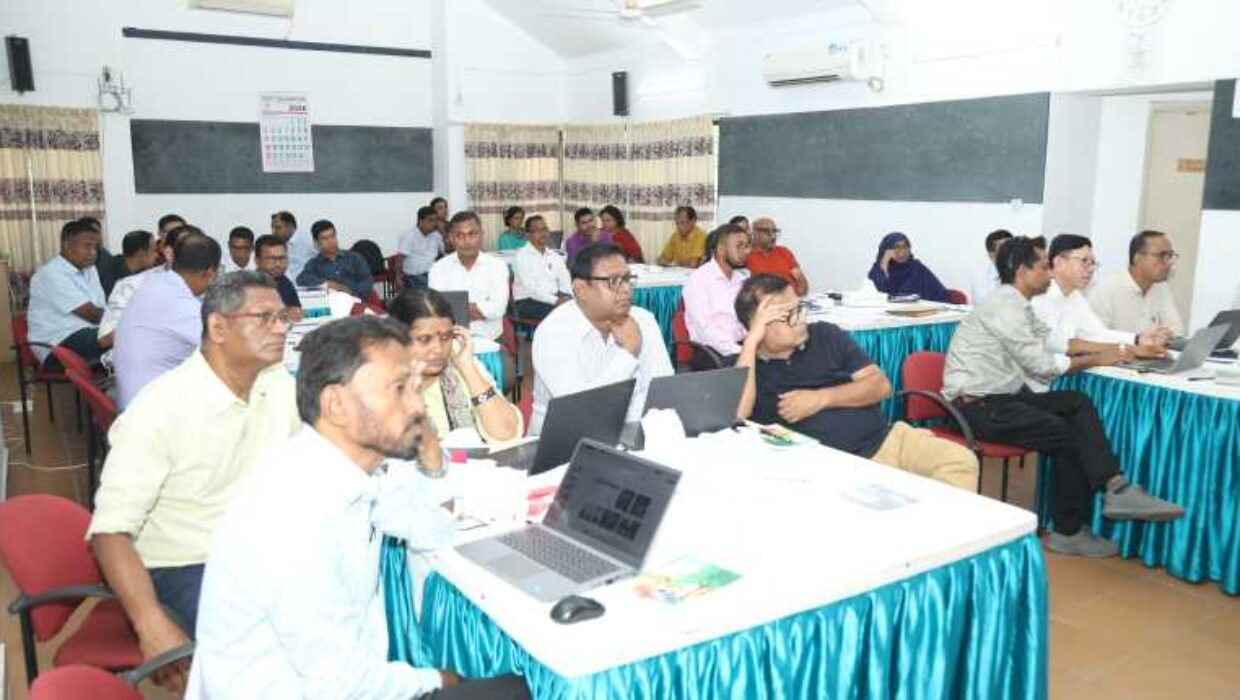
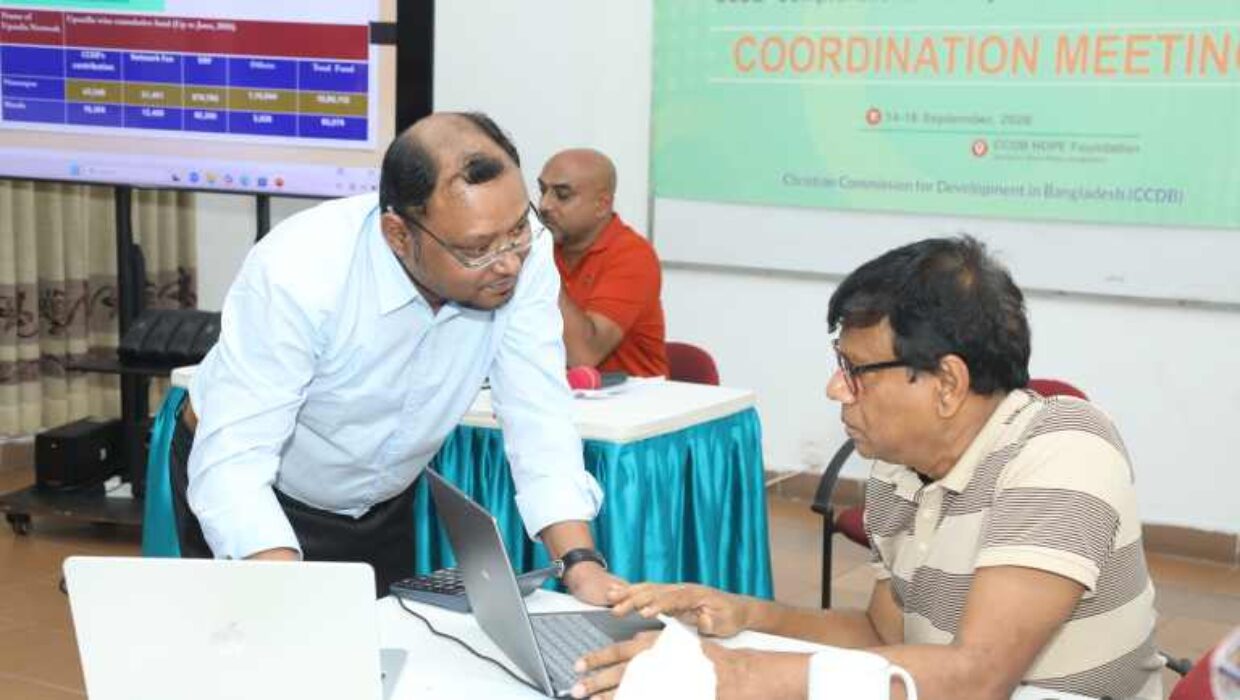
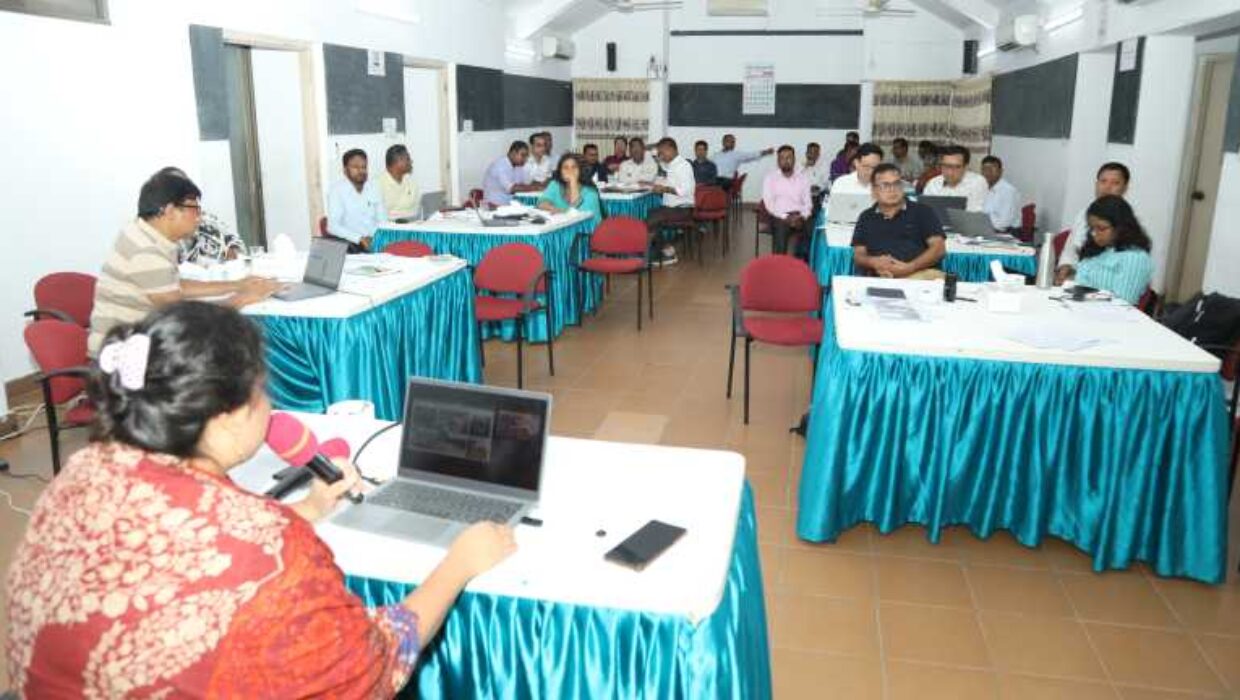
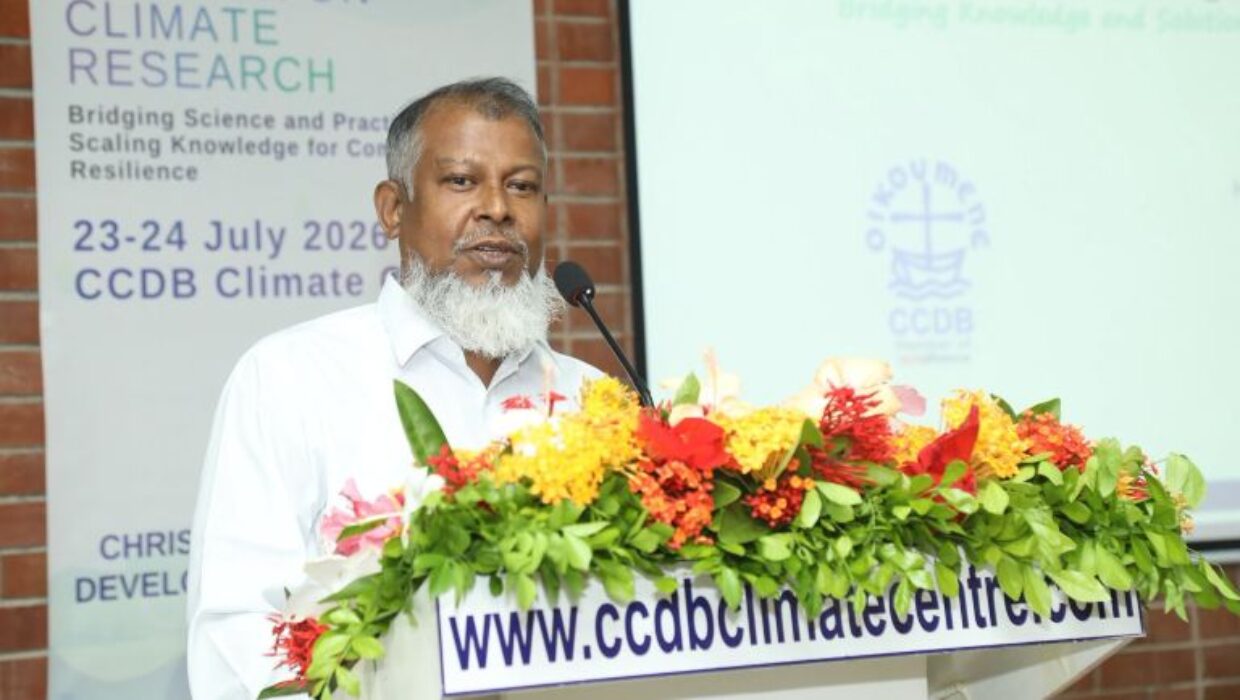
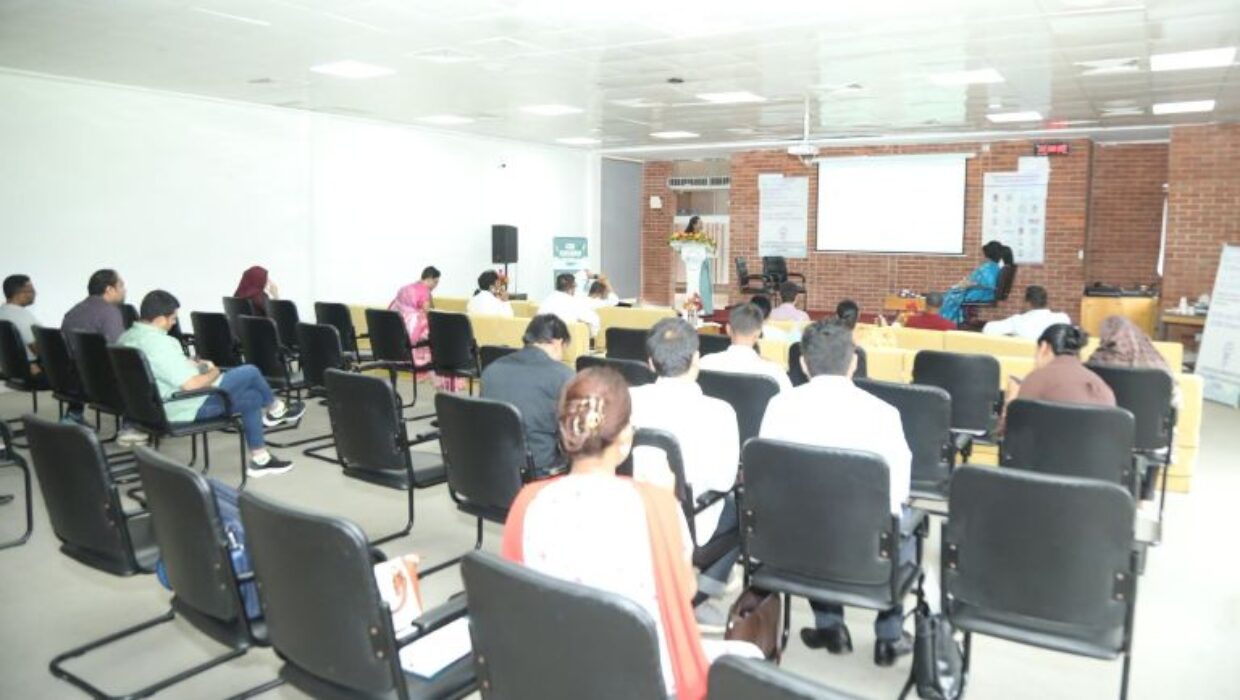
On ๐Ÿฎ๐Ÿดโ€“๐Ÿฎ๐Ÿต ๐—ฆ๐—ฒ๐—ฝ๐˜๐—ฒ๐—บ๐—ฏ๐—ฒ๐—ฟ ๐Ÿฎ๐Ÿฌ๐Ÿฎ๐Ÿฑ, ๐—–๐—ต๐—ฟ๐—ถ๐˜€๐˜๐—ถ๐—ฎ๐—ป ๐—–๐—ผ๐—บ๐—บ๐—ถ๐˜€๐˜€๐—ถ๐—ผ๐—ป ๐—ณ๐—ผ๐—ฟ ๐——๐—ฒ๐˜ƒ๐—ฒ๐—น๐—ผ๐—ฝ๐—บ๐—ฒ๐—ป๐˜ ๐—ถ๐—ป ๐—•๐—ฎ๐—ป๐—ด๐—น๐—ฎ๐—ฑ๐—ฒ๐˜€๐—ต (๐—–๐—–๐——๐—•) organized the Inception Workshop of the ๐˜™๐˜ฆ๐˜จ๐˜ช๐˜ฐ๐˜ฏ๐˜ข๐˜ญ ๐˜Œ๐˜ฏ๐˜ฉ๐˜ข๐˜ฏ๐˜ค๐˜ฆ๐˜ฎ๐˜ฆ๐˜ฏ๐˜ต ๐˜ง๐˜ฐ๐˜ณ ๐˜Š๐˜ญ๐˜ช๐˜ฎ๐˜ข๐˜ต๐˜ฆ ๐˜ˆ๐˜ฅ๐˜ข๐˜ฑ๐˜ต๐˜ข๐˜ต๐˜ช๐˜ฐ๐˜ฏ ๐˜ข๐˜ฏ๐˜ฅ ๐˜—๐˜ข๐˜ณ๐˜ต๐˜ฏ๐˜ฆ๐˜ณ๐˜ด๐˜ฉ๐˜ช๐˜ฑ (๐˜™๐˜Œ๐˜Š๐˜ˆ๐˜—) project at the ๐—–๐—–๐——๐—• ๐—–๐—น๐—ถ๐—บ๐—ฎ๐˜๐—ฒ ๐—–๐—ฒ๐—ป๐˜๐—ฟ๐—ฒ ๐—ถ๐—ป ๐—š๐—ฎ๐˜‡๐—ถ๐—ฝ๐˜‚๐—ฟ.

RECAP is a multi-country initiative being implemented in ๐—•๐—ฎ๐—ป๐—ด๐—น๐—ฎ๐—ฑ๐—ฒ๐˜€๐—ต, ๐—œ๐—ป๐—ฑ๐—ถ๐—ฎ, ๐—ก๐—ฒ๐—ฝ๐—ฎ๐—น, ๐—ฎ๐—ป๐—ฑ ๐—ฃ๐—ฎ๐—ธ๐—ถ๐˜€๐˜๐—ฎ๐—ป through a consortium approach, with CCDB as the lead organization. The project is funded by ๐—•๐—ฟ๐—ผ๐˜ ๐—ณรผ๐—ฟ ๐—ฑ๐—ถ๐—ฒ ๐—ช๐—ฒ๐—น๐˜ (๐—•๐—ฟ๐—ฒ๐—ฎ๐—ฑ ๐—ณ๐—ผ๐—ฟ ๐˜๐—ต๐—ฒ ๐—ช๐—ผ๐—ฟ๐—น๐—ฑ), ๐—š๐—ฒ๐—ฟ๐—บ๐—ฎ๐—ป๐˜†.

Executive Directors and Climate Focal Persons from CCDBโ€™s local partner organizations joined the Inception Workshop. Participating organizations included:

1๏ธโƒฃ Coastal Development Partnership (CDP)

2๏ธโƒฃ Nagorik Uddyog (NU)

3๏ธโƒฃ Action for Social Development (ASD)

4๏ธโƒฃ Association of Development Agencies in Bangladesh (ADAB)

5๏ธโƒฃ Community Development Association (CDA), Dinajpur

6๏ธโƒฃ Mukti Nari o Shishu Unnayan Sangstha, Kushtia

7๏ธโƒฃ Centre for Capacity Building of Voluntary Organisation (CCBVO), Rajshahi

8๏ธโƒฃ Unnayan Dhara (UD), Jhenidah

9๏ธโƒฃ Pollisree, Dinajpur

๐Ÿ”Ÿ LEDARS, Satkhira

The workshop aimed to strengthen the knowledge and skills of local partners for effective climate adaptation, mitigation, and resilienceโ€”especially in agriculture, water, environment, and livelihoods of climate-vulnerable communities.

Partners were introduced to project objectives and strategies, and a needs assessment was conducted to identify capacity gaps. CCDB will provide training and technical support to help partners integrate climate adaptation and resilience into their work.

A significant milestone of the workshop was the signing of Memorandums of Understanding (MoUs) between CCDB and each local partner organization to solidify collaboration.

CCDBโ€™s leadership, including Executive Director Juliate Keya Malakar, Program Head George Ashit Singha, RECAP Project Coordinator Md. Ashik Sardar, and Capacity Building Coordinator Mousumi Halder, actively participated in the workshop.

Together, we move forward in building resilient communities and sharing innovative solutions for climate action. ๐ŸŒฑ๐ŸŒ

Photo gallery of the event