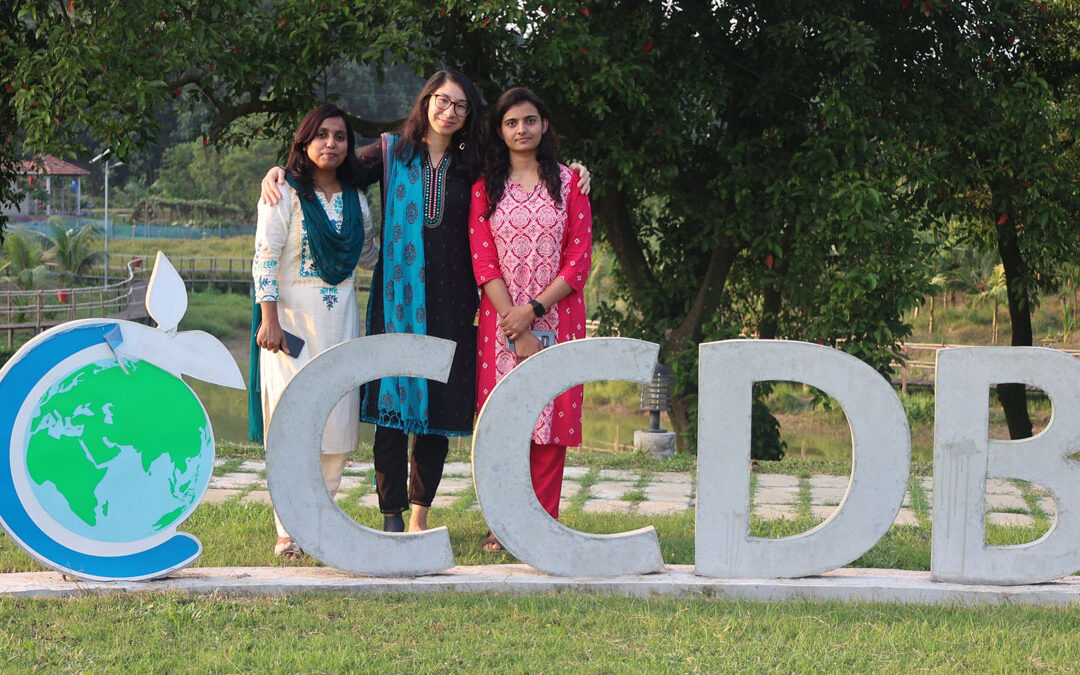
Coady Stands with People of Bangladesh

Coady Stands with People of Bangladesh

After weeks of protests, a student-led movement in Bangladesh morphed into a popular movement that led to the resignation of the former prime minister, Sheik Hasina.

Such moments are delicate times and present the real risk of opportunism, co-option, and strengthening of systems that prevent local strengths and voices. Based on Coady Instituteโ€™s values, work, and experience in Bangladesh, we see a better, brighter, more hopeful future.

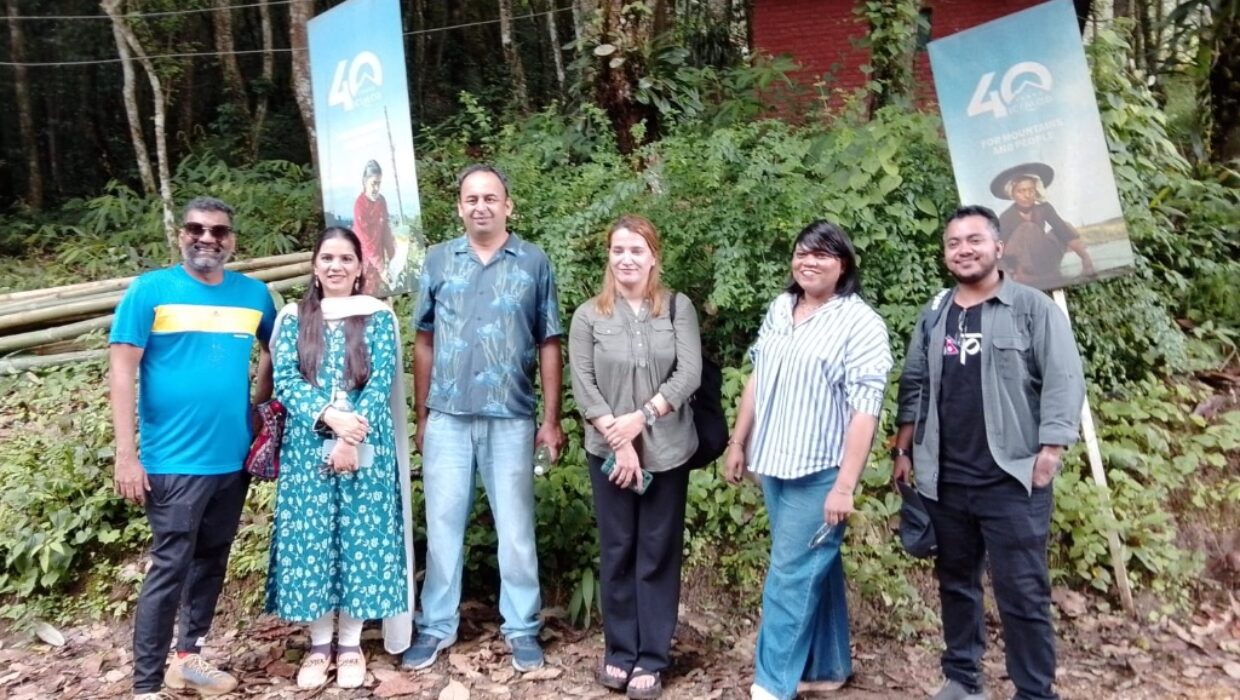
Coady recently welcomed six participants from Bangladesh to take part in three different courses Asset-Based and Community-Led Development: Theory and Practice, Livelihoods and Markets, and Community Led Solutions for Climate Change. Long-time Coady partner Christian Commission for Development in Bangladesh (CCDB), an organization which has recently celebrated its 50th anniversary, co-facilitated the climate change course.

Over the last six decades, we have welcomed 240 graduates from Bangladesh as they work to and for a sustainable, diverse, and democratic future. These graduates and partners are committed to bringing economic and social change to local communities. We stand with our graduates and will work alongside CCDB to ensure that the communities we and they work with are heard, protected, and supported through this uncertain period.

In solidarity and hope with and for all those Bangladeshis working for peace and democracy.
๐—ฅ๐—ฒ๐—ด๐—ถ๐—ผ๐—ป๐—ฎ๐—น ๐—˜๐—ป๐—ต๐—ฎ๐—ป๐—ฐ๐—ฒ๐—บ๐—ฒ๐—ป๐˜ ๐—ณ๐—ผ๐—ฟ ๐—–๐—น๐—ถ๐—บ๐—ฎ๐˜๐—ฒ ๐—”๐—ฑ๐—ฎ๐—ฝ๐˜๐—ฎ๐˜๐—ถ๐—ผ๐—ป ๐—ฎ๐—ป๐—ฑ ๐—ฃ๐—ฎ๐—ฟ๐˜๐—ป๐—ฒ๐—ฟ๐˜€๐—ต๐—ถ๐—ฝ (๐—ฅ๐—˜๐—–๐—”๐—ฃ)

๐—ฅ๐—ฒ๐—ด๐—ถ๐—ผ๐—ป๐—ฎ๐—น ๐—˜๐—ป๐—ต๐—ฎ๐—ป๐—ฐ๐—ฒ๐—บ๐—ฒ๐—ป๐˜ ๐—ณ๐—ผ๐—ฟ ๐—–๐—น๐—ถ๐—บ๐—ฎ๐˜๐—ฒ ๐—”๐—ฑ๐—ฎ๐—ฝ๐˜๐—ฎ๐˜๐—ถ๐—ผ๐—ป ๐—ฎ๐—ป๐—ฑ ๐—ฃ๐—ฎ๐—ฟ๐˜๐—ป๐—ฒ๐—ฟ๐˜€๐—ต๐—ถ๐—ฝ (๐—ฅ๐—˜๐—–๐—”๐—ฃ)

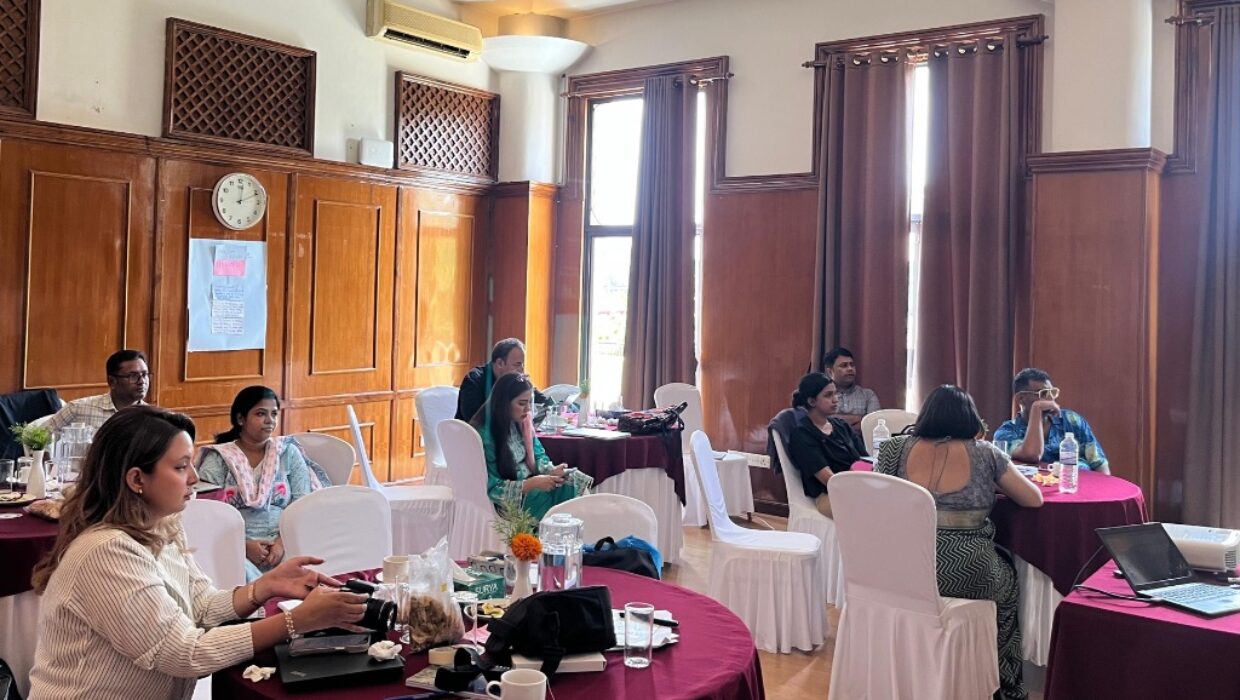
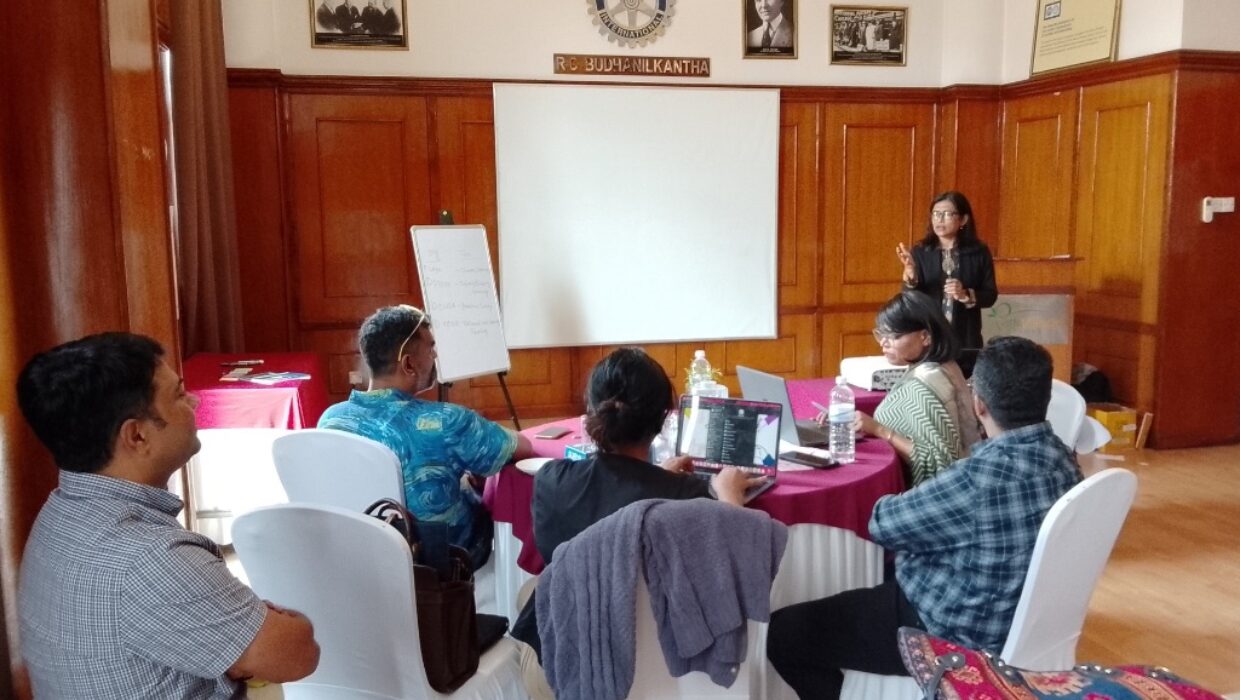
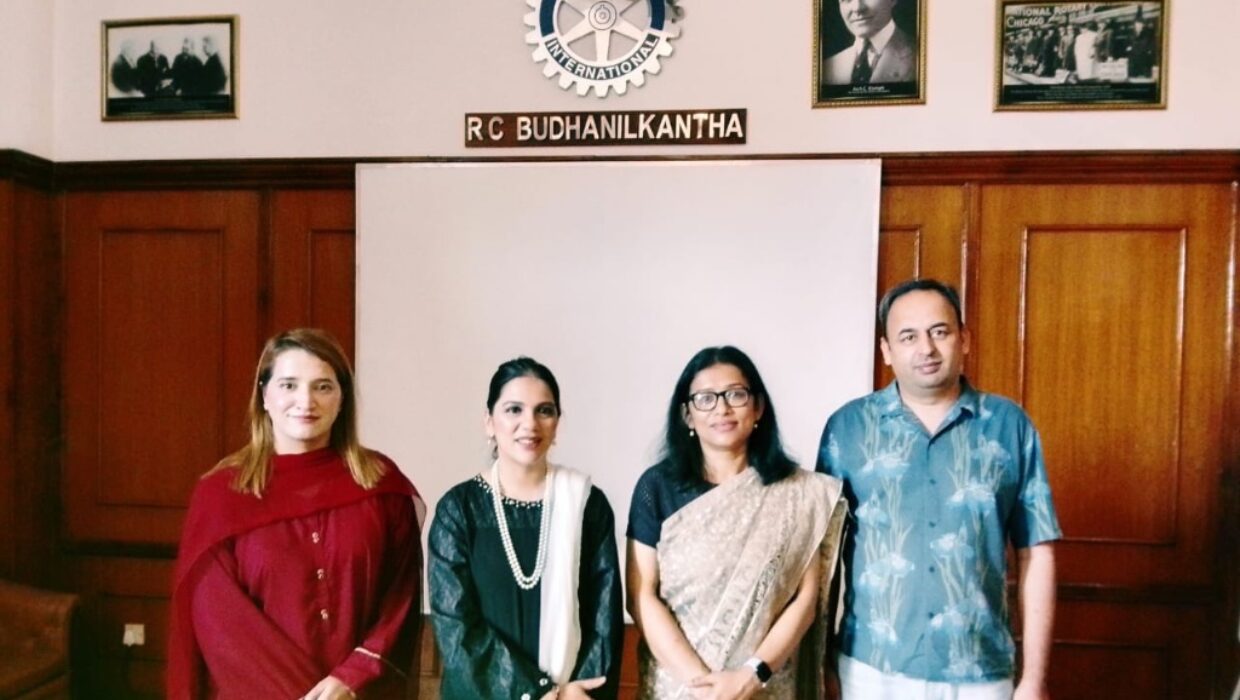
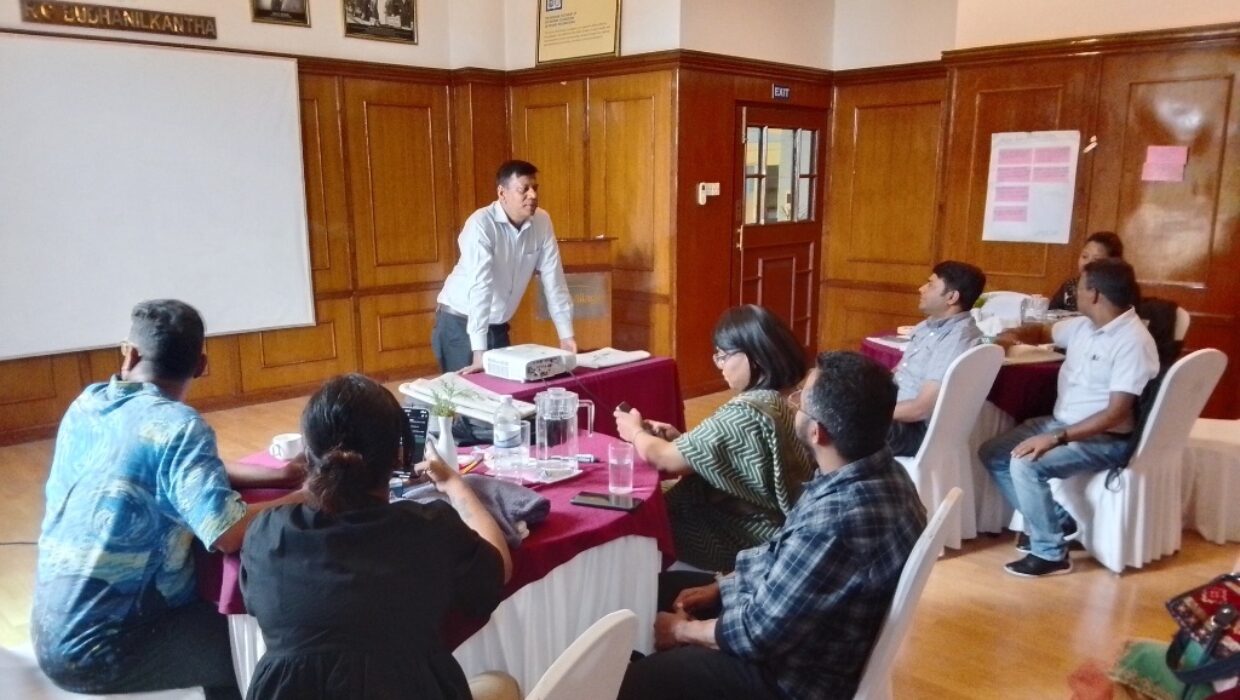
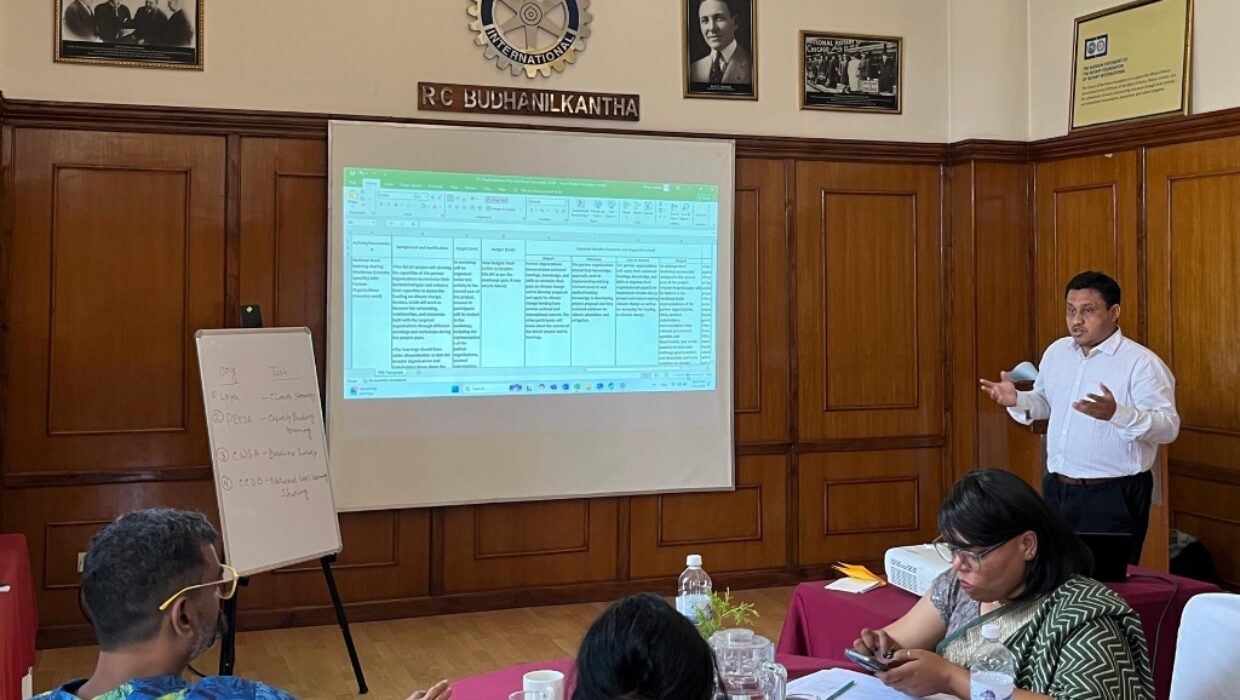
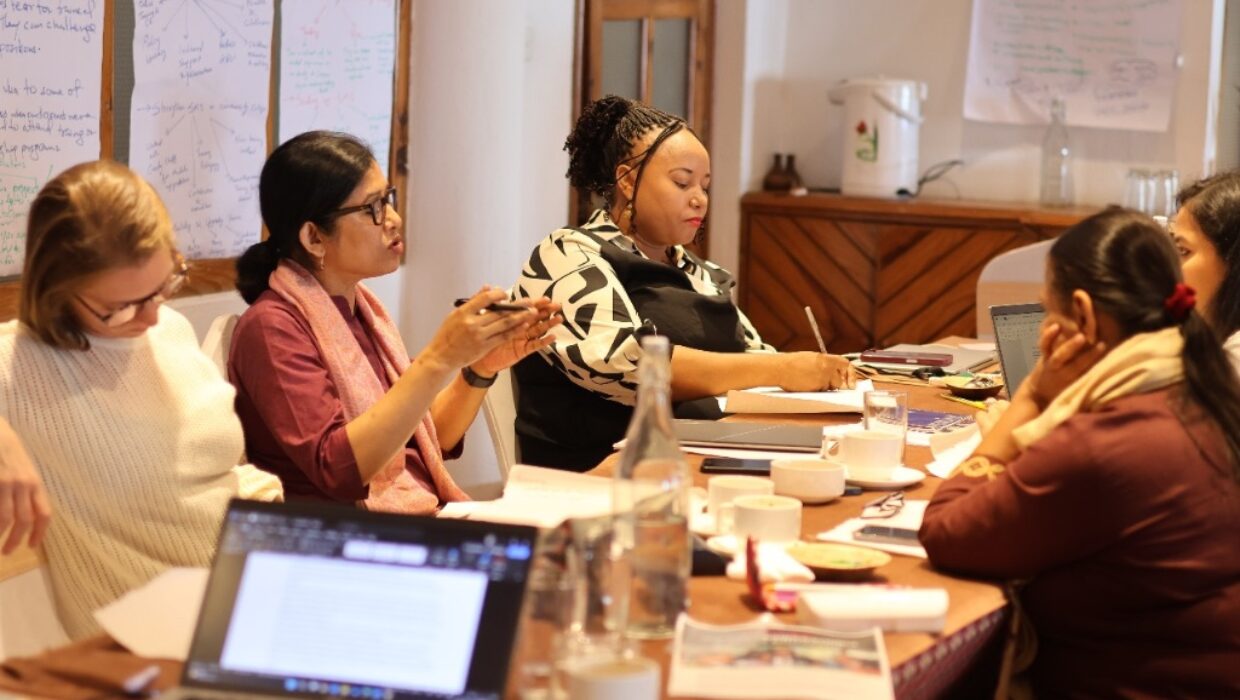
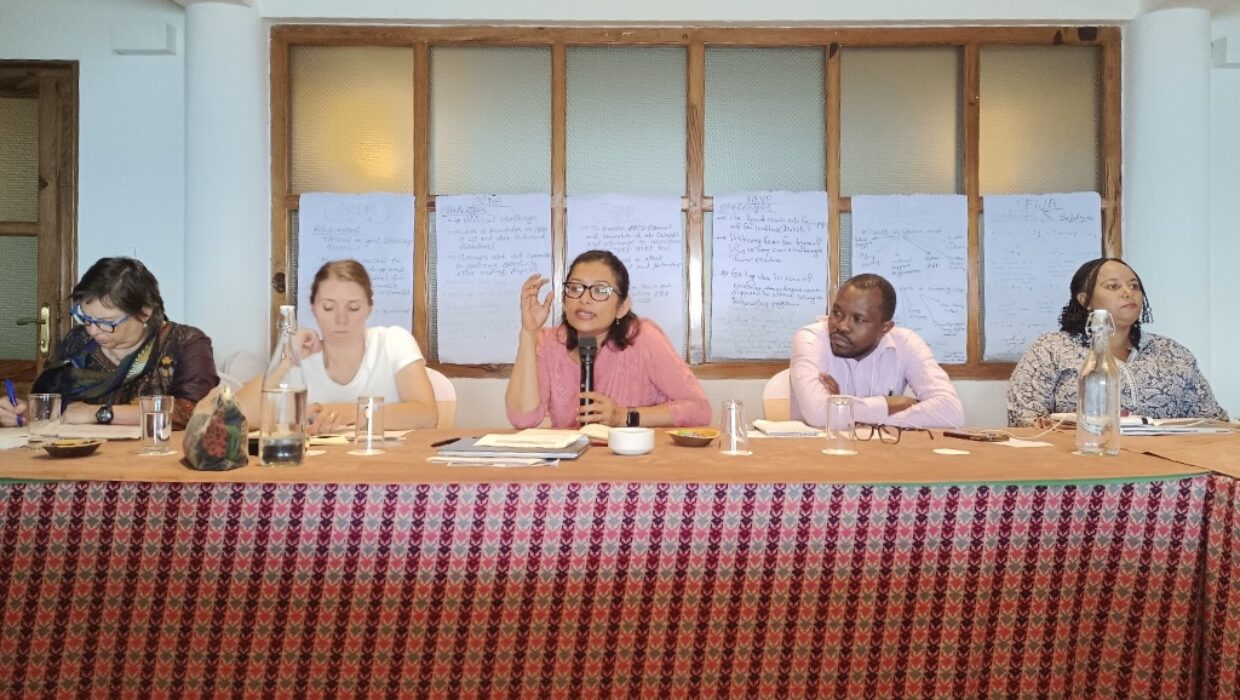
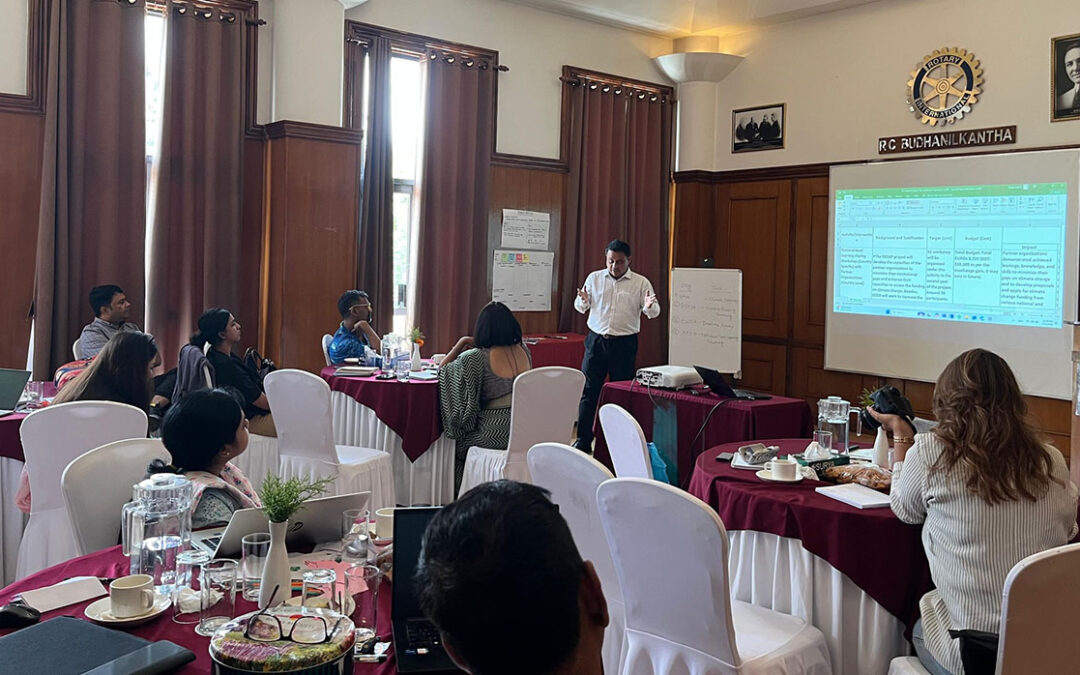
From July 29 to August 01, 2025, the โ€œProject Inception and Planning Workshopโ€ of ๐—ฅ๐—ฒ๐—ด๐—ถ๐—ผ๐—ป๐—ฎ๐—น ๐—˜๐—ป๐—ต๐—ฎ๐—ป๐—ฐ๐—ฒ๐—บ๐—ฒ๐—ป๐˜ ๐—ณ๐—ผ๐—ฟ ๐—–๐—น๐—ถ๐—บ๐—ฎ๐˜๐—ฒ ๐—”๐—ฑ๐—ฎ๐—ฝ๐˜๐—ฎ๐˜๐—ถ๐—ผ๐—ป ๐—ฎ๐—ป๐—ฑ ๐—ฃ๐—ฎ๐—ฟ๐˜๐—ป๐—ฒ๐—ฟ๐˜€๐—ต๐—ถ๐—ฝ (๐—ฅ๐—˜๐—–๐—”๐—ฃ) was organized in Kathmandu, Nepal, with the participation of ๐—–๐—ต๐—ฟ๐—ถ๐˜€๐˜๐—ถ๐—ฎ๐—ป ๐—–๐—ผ๐—บ๐—บ๐—ถ๐˜€๐˜€๐—ถ๐—ผ๐—ป ๐—ณ๐—ผ๐—ฟ ๐——๐—ฒ๐˜ƒ๐—ฒ๐—น๐—ผ๐—ฝ๐—บ๐—ฒ๐—ป๐˜ ๐—ถ๐—ป ๐—•๐—ฎ๐—ป๐—ด๐—น๐—ฎ๐—ฑ๐—ฒ๐˜€๐—ต (๐—–๐—–๐——๐—•), ๐—Ÿ๐—”๐—ฌ๐—”-๐—œ๐—ป๐—ฑ๐—ถ๐—ฎ๐—ป ๐—ก๐—ฒ๐˜๐˜„๐—ผ๐—ฟ๐—ธ ๐—ผ๐—ป ๐—˜๐˜๐—ต๐—ถ๐—ฐ๐˜€ ๐—ฎ๐—ป๐—ฑ ๐—–๐—น๐—ถ๐—บ๐—ฎ๐˜๐—ฒ ๐—–๐—ต๐—ฎ๐—ป๐—ด๐—ฒ (๐—Ÿ๐—”๐—ฌ๐—”-๐—œ๐—ก๐—˜๐—–๐—–) of India, ๐—ฃ๐—ฒ๐—ผ๐—ฝ๐—น๐—ฒ, ๐—˜๐—ป๐—ฒ๐—ฟ๐—ด๐˜† ๐—ฎ๐—ป๐—ฑ ๐—˜๐—ป๐˜ƒ๐—ถ๐—ฟ๐—ผ๐—ป๐—บ๐—ฒ๐—ป๐˜ ๐——๐—ฒ๐˜ƒ๐—ฒ๐—น๐—ผ๐—ฝ๐—บ๐—ฒ๐—ป๐˜ ๐—”๐˜€๐˜€๐—ผ๐—ฐ๐—ถ๐—ฎ๐˜๐—ถ๐—ผ๐—ป (๐—ฃ๐—˜๐—˜๐——๐—”) of Nepal, and ๐—–๐—ผ๐—บ๐—บ๐˜‚๐—ป๐—ถ๐˜๐˜† ๐—ช๐—ผ๐—ฟ๐—น๐—ฑ ๐—ฆ๐—ฒ๐—ฟ๐˜ƒ๐—ถ๐—ฐ๐—ฒ ๐—”๐˜€๐—ถ๐—ฎ (๐—–๐—ช๐—ฆ๐—”) of Pakistan.

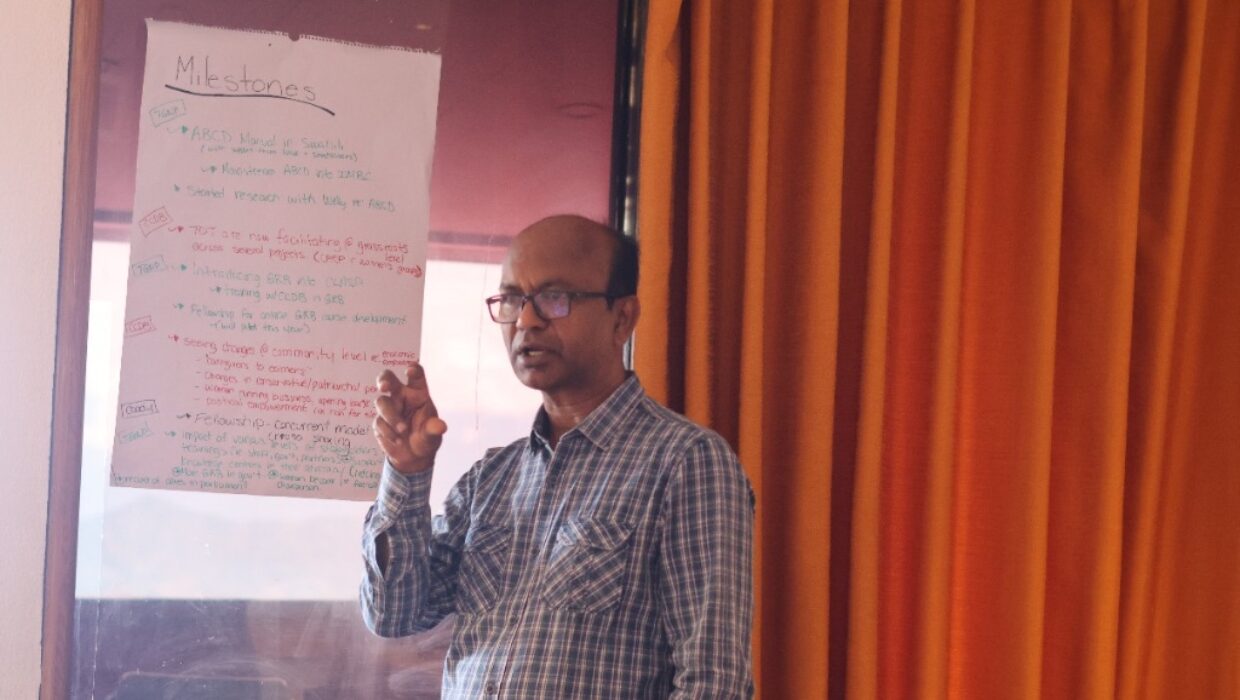
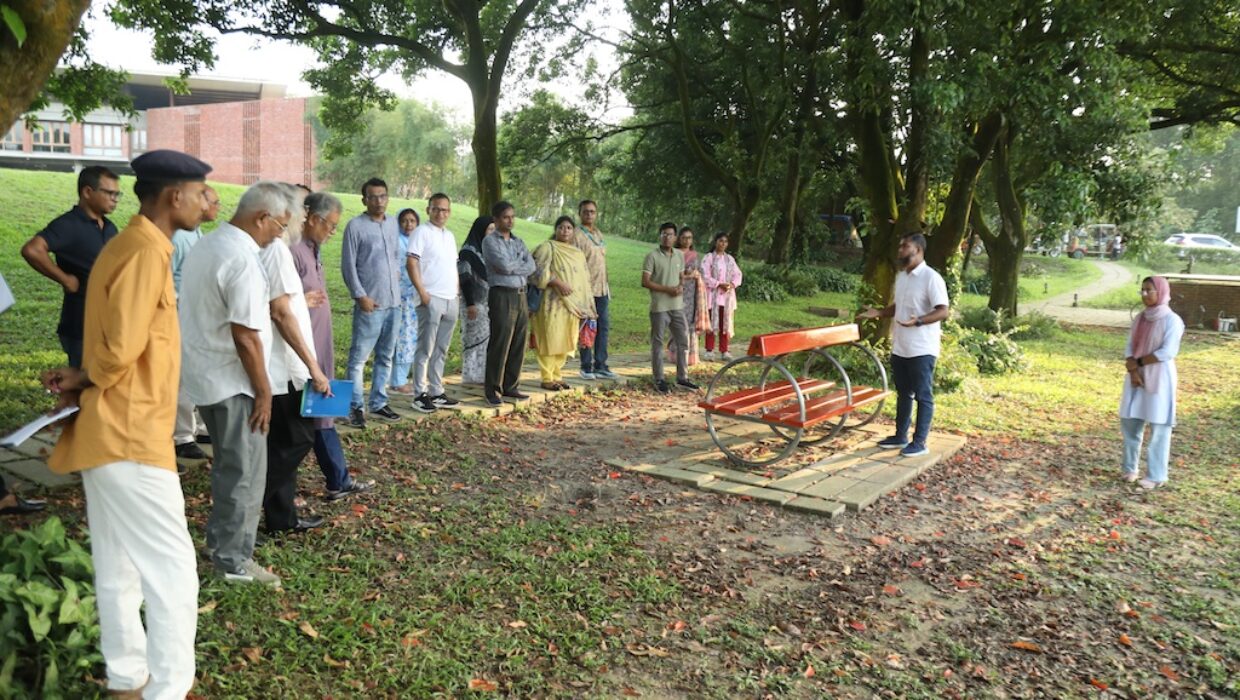
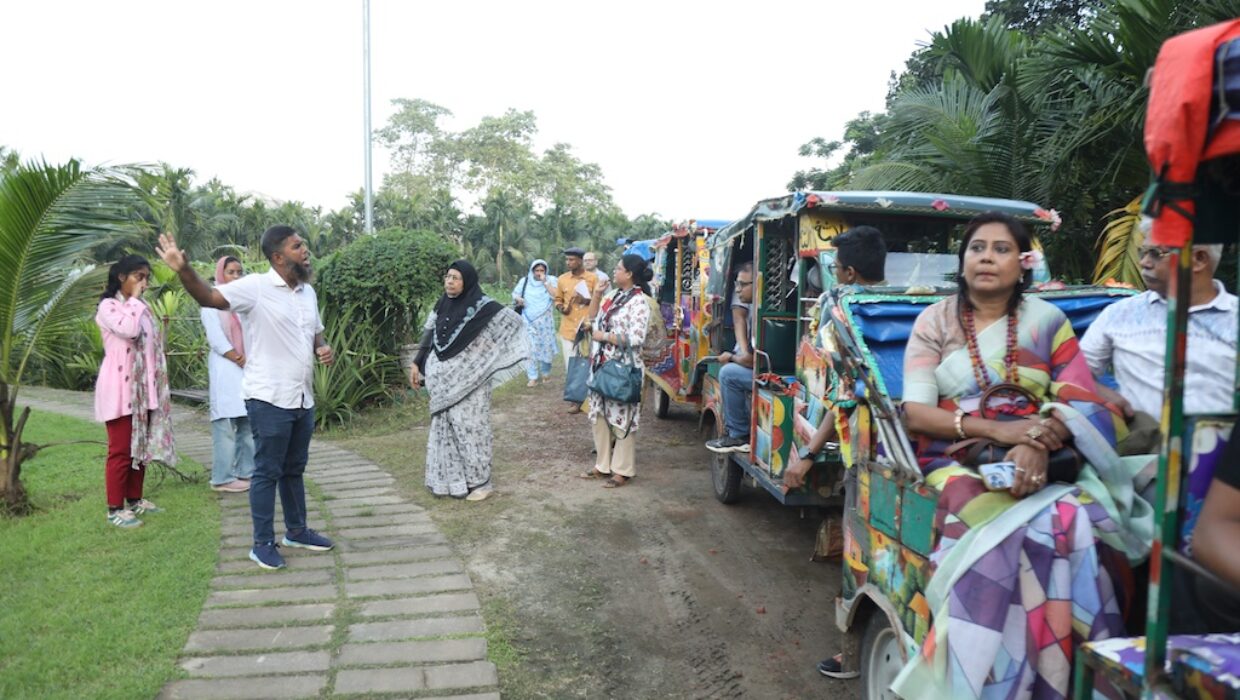
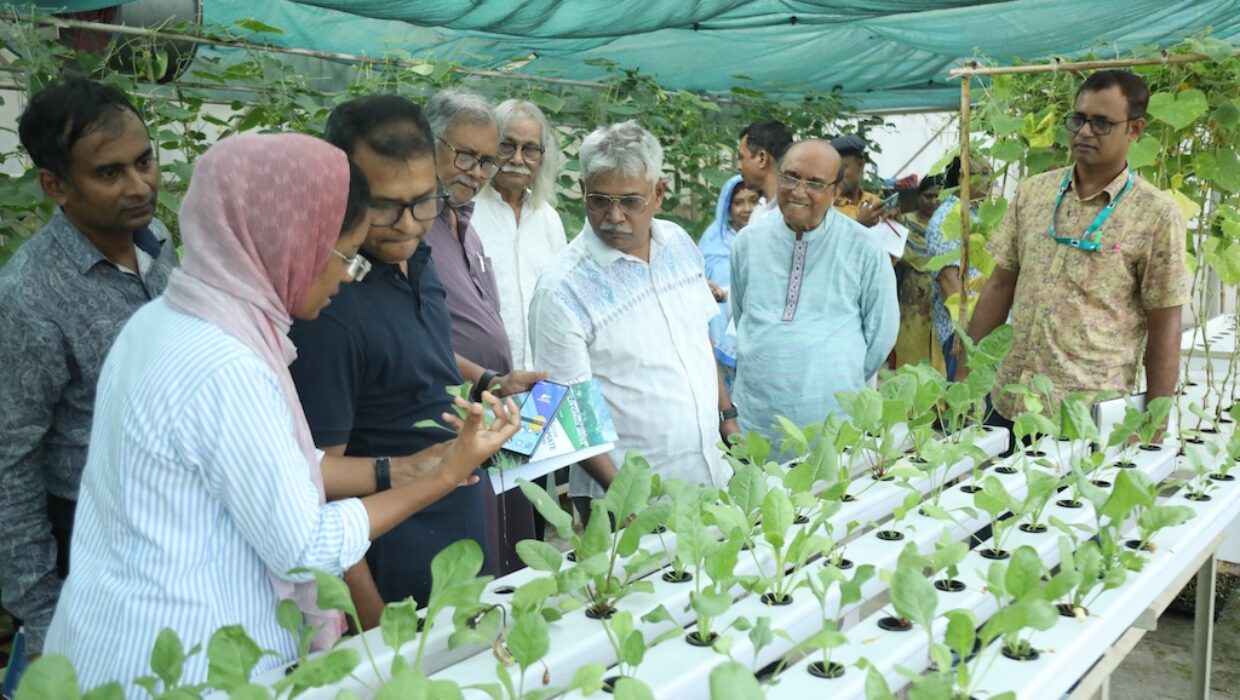
The workshop accumulated the four countriesโ€™ understanding of climate change, discussed the ๐—ฐ๐—ผ๐˜‚๐—ป๐˜๐—ฟ๐˜†-๐˜„๐—ถ๐˜€๐—ฒ ๐—ฐ๐—ฎ๐—ฝ๐—ฎ๐—ฐ๐—ถ๐˜๐˜† ๐—ป๐—ฒ๐—ฒ๐—ฑ๐˜€ ๐—ฎ๐˜€๐˜€๐—ฒ๐˜€๐˜€๐—บ๐—ฒ๐—ป๐˜, prepared the ๐—ง๐—ต๐—ฒ๐—ผ๐—ฟ๐˜† ๐—ผ๐—ณ ๐—–๐—ต๐—ฎ๐—ป๐—ด๐—ฒ (๐—ง๐—ผ๐—–), and highlighted the formulation of the ๐—ฝ๐—ฟ๐—ผ๐—ท๐—ฒ๐—ฐ๐˜ ๐—ถ๐—บ๐—ฝ๐—น๐—ฒ๐—บ๐—ฒ๐—ป๐˜๐—ฎ๐˜๐—ถ๐—ผ๐—ป ๐—ด๐˜‚๐—ถ๐—ฑ๐—ฒ๐—น๐—ถ๐—ป๐—ฒ (๐—ฃ๐—œ๐—š). A coordination mechanism was developed during the workshop to achieve the expected project goal and achievements. The workshop participants also visited ๐—œ๐—–๐—œ๐— ๐—ข๐——, ๐—Ÿ๐—ฎ๐—น๐—ถ๐˜๐—ฝ๐˜‚๐—ฟ, on August 01 to gain experience with ๐—ฎ๐—ฑ๐—ฎ๐—ฝ๐˜๐—ฎ๐˜๐—ถ๐—ผ๐—ป ๐˜€๐˜๐—ฟ๐—ฎ๐˜๐—ฒ๐—ด๐—ถ๐—ฒ๐˜€ ๐—ฎ๐—ป๐—ฑ ๐˜๐—ฒ๐—ฐ๐—ต๐—ป๐—ผ๐—น๐—ผ๐—ด๐—ถ๐—ฒ๐˜€ to reduce climate risks.

Climate change has become the key challenge to our community, national, regional, and global development efforts. It is appearing as the biggest threat to achieving the Sustainable Development Goals. NGOs and CSOs engaged in climate change issues often face limitations in capacity, knowledge, and technical expertise, which hinder their ability to develop practical project proposals for securing climate financing. There are also networking and upscaling gaps among the partner organizations, which is a barrier for them to mainstream climate change projects, considering the context of Bangladesh, India, Nepal, and Pakistan.

The ๐—ฅ๐—˜๐—–๐—”๐—ฃ project will ๐—ฒ๐—ป๐—ต๐—ฎ๐—ป๐—ฐ๐—ฒ ๐—ธ๐—ป๐—ผ๐˜„๐—น๐—ฒ๐—ฑ๐—ด๐—ฒ, ๐˜€๐—ธ๐—ถ๐—น๐—น๐˜€, ๐—ฎ๐—ป๐—ฑ ๐—ฝ๐—ฒ๐—ฟ๐˜€๐—ฝ๐—ฒ๐—ฐ๐˜๐—ถ๐˜ƒ๐—ฒ for effective ๐—ฐ๐—น๐—ถ๐—บ๐—ฎ๐˜๐—ฒ ๐—ฎ๐—ฑ๐—ฎ๐—ฝ๐˜๐—ฎ๐˜๐—ถ๐—ผ๐—ป and ๐—ฟ๐—ฒ๐˜€๐—ถ๐—น๐—ถ๐—ฒ๐—ป๐—ฐ๐—ฒ ๐—ฏ๐˜‚๐—ถ๐—น๐—ฑ๐—ถ๐—ป๐—ด in South Asia. The project will implement ๐—ฐ๐—ผ๐—บ๐—ฝ๐—ฟ๐—ฒ๐—ต๐—ฒ๐—ป๐˜€๐—ถ๐˜ƒ๐—ฒ ๐—ฐ๐—ฎ๐—ฝ๐—ฎ๐—ฐ๐—ถ๐˜๐˜†-๐—ฏ๐˜‚๐—ถ๐—น๐—ฑ๐—ถ๐—ป๐—ด ๐—ถ๐—ป๐˜๐—ฒ๐—ฟ๐˜ƒ๐—ฒ๐—ป๐˜๐—ถ๐—ผ๐—ป๐˜€ ๐—ฑ๐—ฒ๐˜€๐—ถ๐—ด๐—ป๐—ฒ๐—ฑ ๐˜๐—ผ ๐—ฒ๐—บ๐—ฝ๐—ผ๐˜„๐—ฒ๐—ฟ these organizations with the knowledge, tools, and strategies needed to combat the effects of climate change. For this, the consortium and participatory learning sharing approach will be applied to ensure the active participation of the targeted CSOs in knowledge exchange and systematic dissemination of the knowledge. The targeted partner organizations under the project are expected to develop a ๐—ฐ๐—ผ๐—บ๐—บ๐—ผ๐—ป ๐˜‚๐—ป๐—ฑ๐—ฒ๐—ฟ๐˜€๐˜๐—ฎ๐—ป๐—ฑ๐—ถ๐—ป๐—ด ๐—ฎ๐—ป๐—ฑ ๐—ฐ๐—ฟ๐—ฒ๐—ฎ๐˜๐—ฒ ๐˜€๐˜†๐—ป๐—ฒ๐—ฟ๐—ด๐˜† for climate change interventions in South Asia, aligning with ๐—•๐—ฟ๐—ฒ๐—ฎ๐—ฑ ๐—ณ๐—ผ๐—ฟ ๐˜๐—ต๐—ฒ ๐—ช๐—ผ๐—ฟ๐—น๐—ฑโ€™๐˜€ climate goals.

Photo Gallery

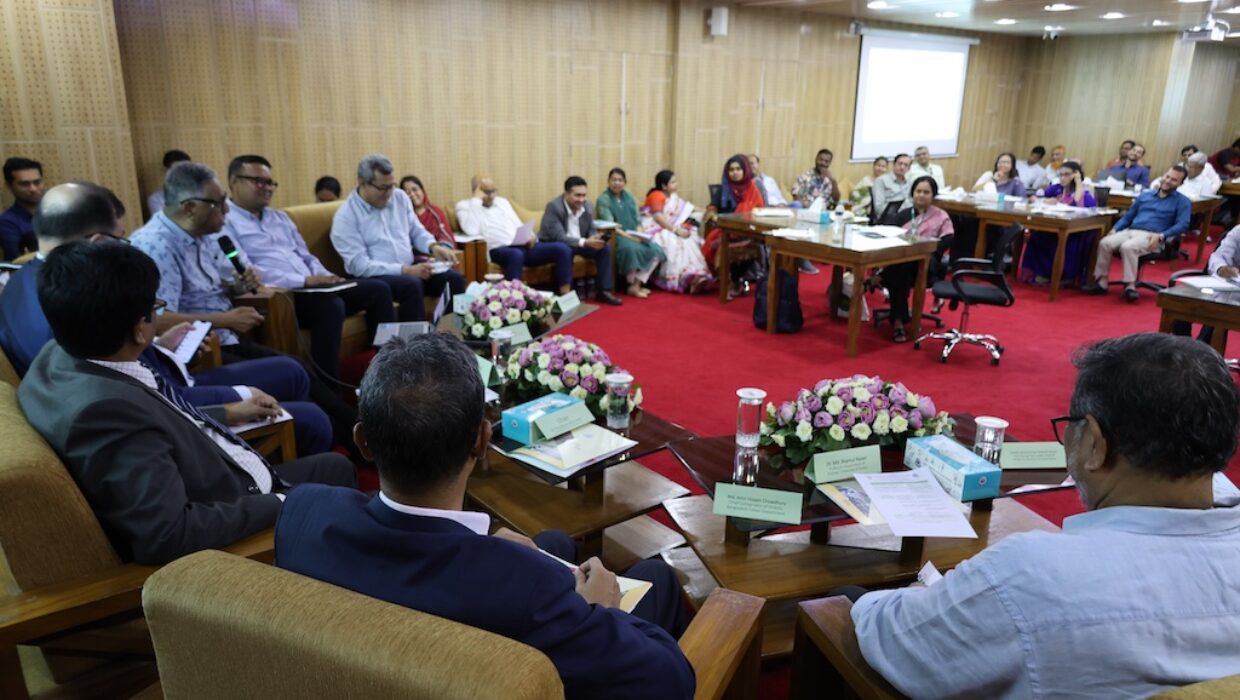
๐—•๐—ฎ๐—ป๐—ด๐—น๐—ฎ๐—ฑ๐—ฒ๐˜€๐—ต ๐—–๐—น๐—ถ๐—บ๐—ฎ๐˜๐—ฒ ๐—”๐—ฐ๐˜๐—ถ๐—ผ๐—ป: ๐—ฉ๐˜‚๐—น๐—ป๐—ฒ๐—ฟ๐—ฎ๐—ฏ๐—ถ๐—น๐—ถ๐˜๐—ถ๐—ฒ๐˜€, ๐—–๐—ฎ๐—ฝ๐—ฎ๐—ฐ๐—ถ๐˜๐˜† at ๐—–๐—ข๐—ฃ ๐Ÿฏ๐Ÿฌ

๐—•๐—ฎ๐—ป๐—ด๐—น๐—ฎ๐—ฑ๐—ฒ๐˜€๐—ต ๐—–๐—น๐—ถ๐—บ๐—ฎ๐˜๐—ฒ ๐—”๐—ฐ๐˜๐—ถ๐—ผ๐—ป: ๐—ฉ๐˜‚๐—น๐—ป๐—ฒ๐—ฟ๐—ฎ๐—ฏ๐—ถ๐—น๐—ถ๐˜๐—ถ๐—ฒ๐˜€, ๐—–๐—ฎ๐—ฝ๐—ฎ๐—ฐ๐—ถ๐˜๐˜† at ๐—–๐—ข๐—ฃ ๐Ÿฏ๐Ÿฌ

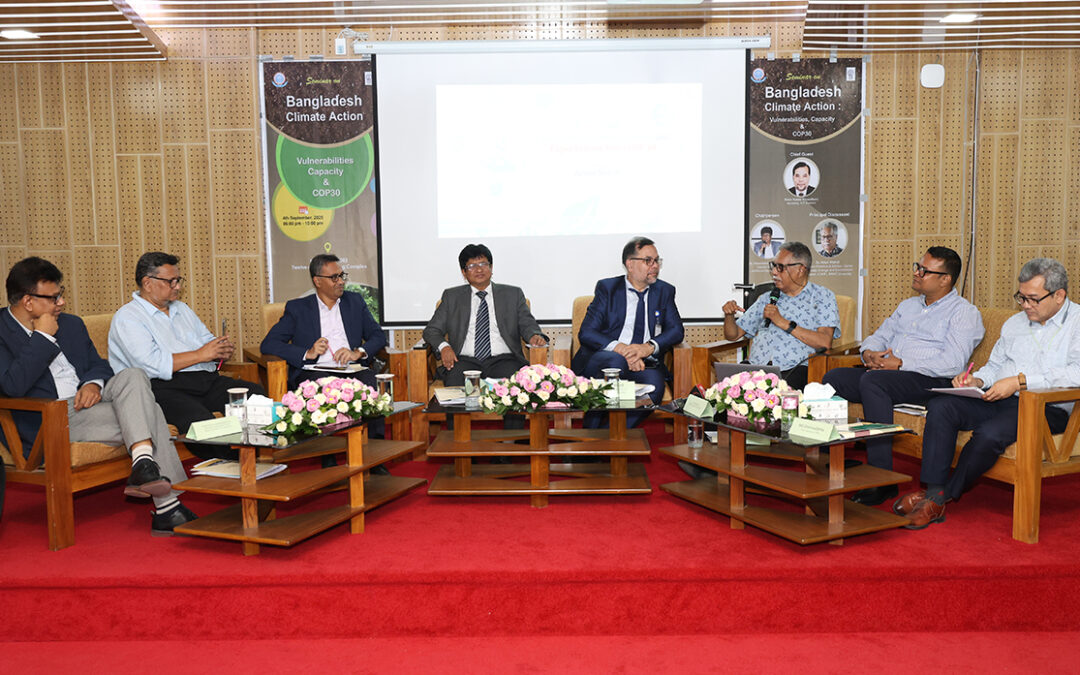
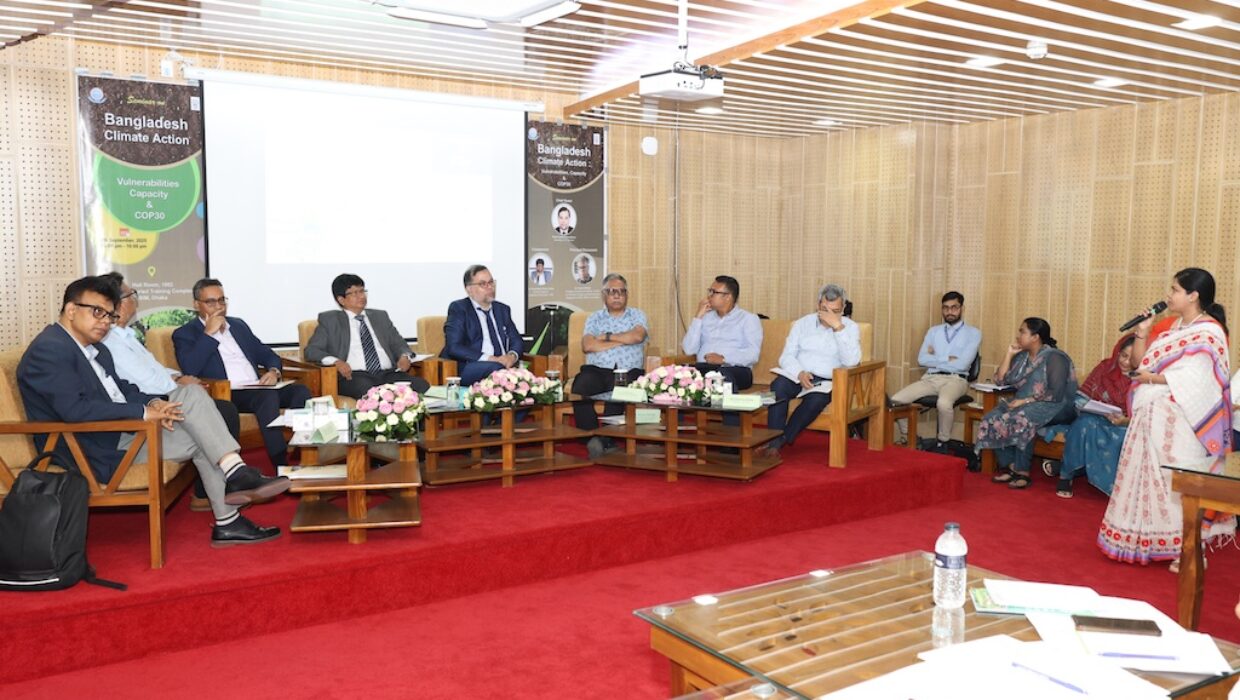
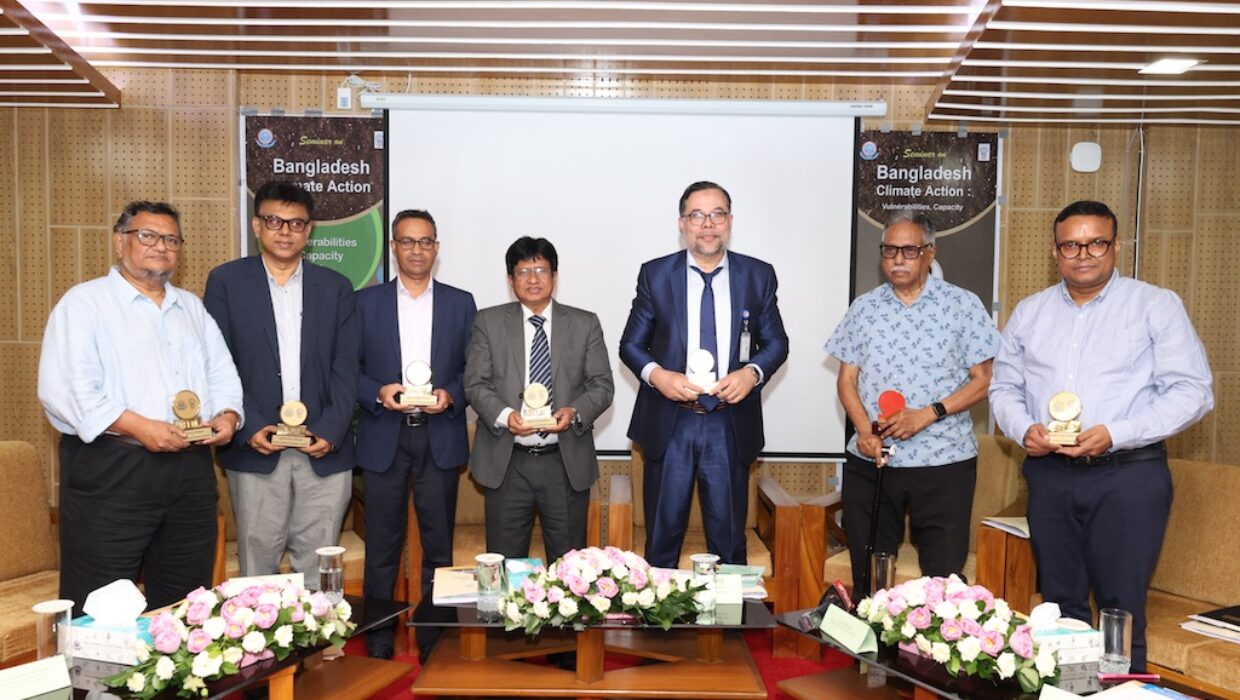
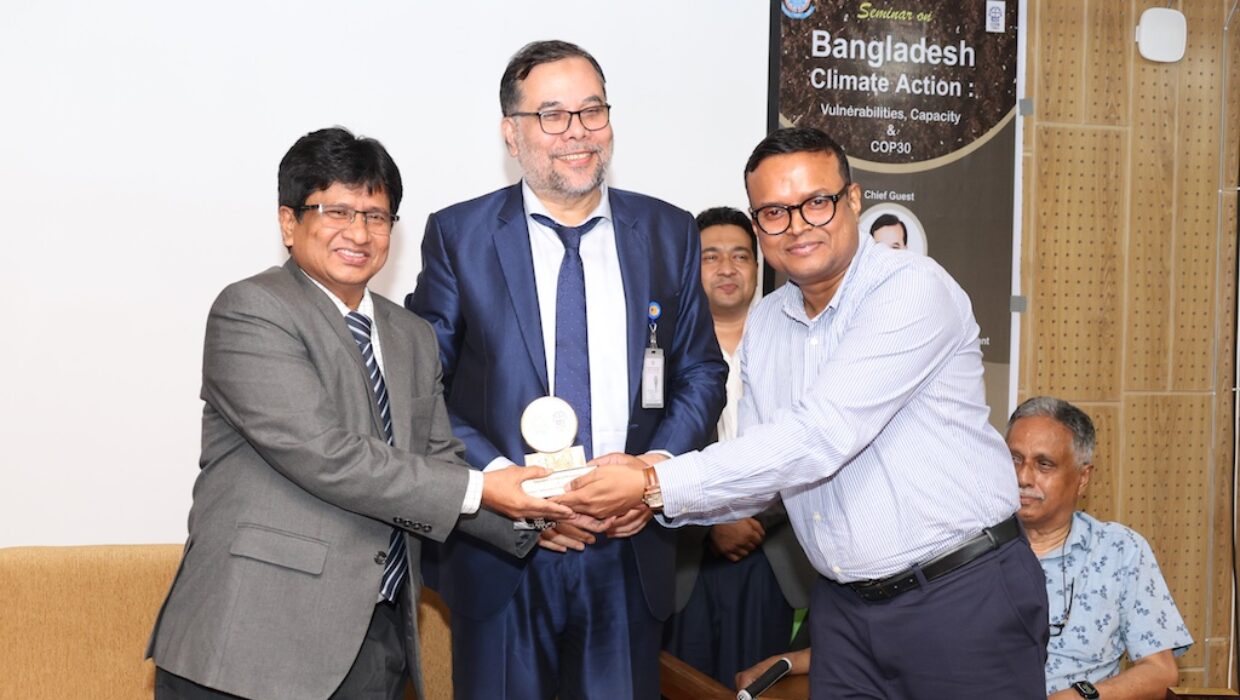
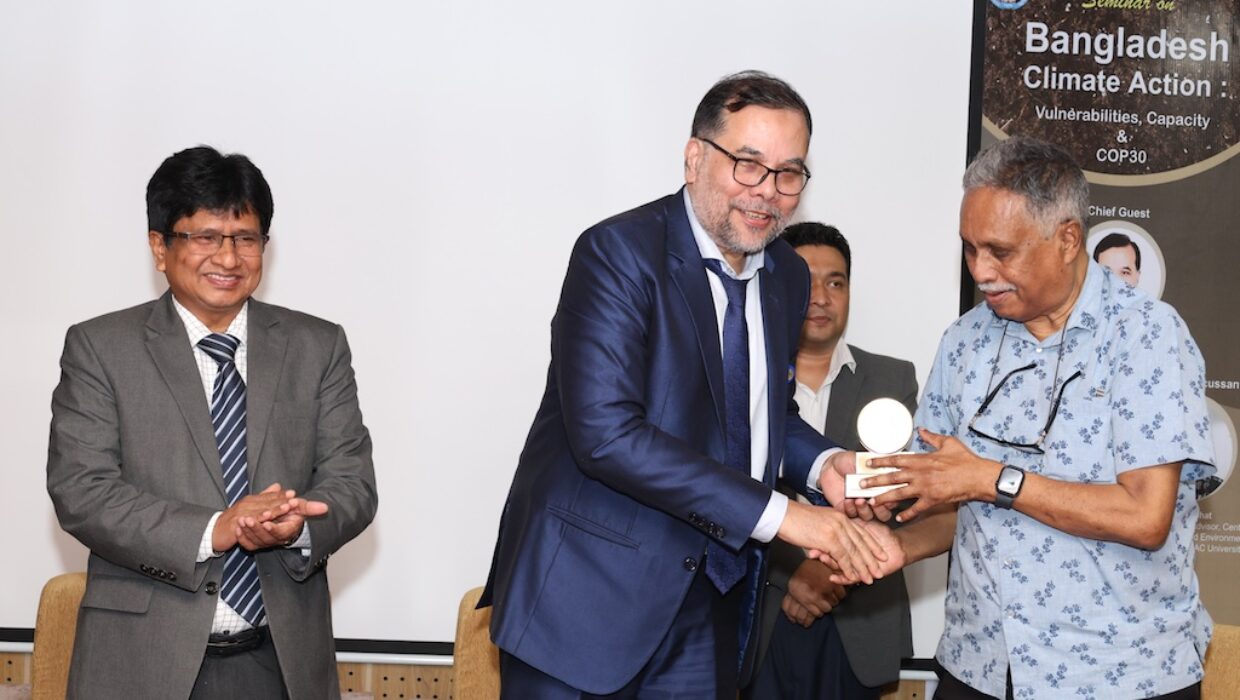
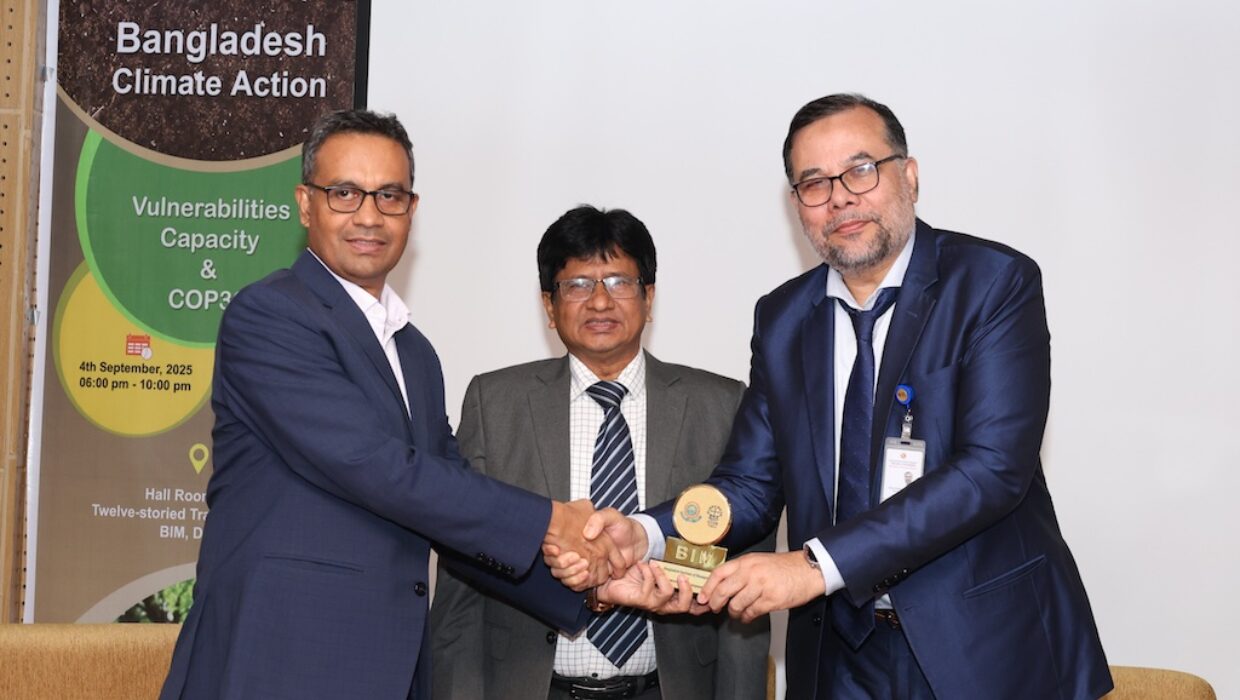
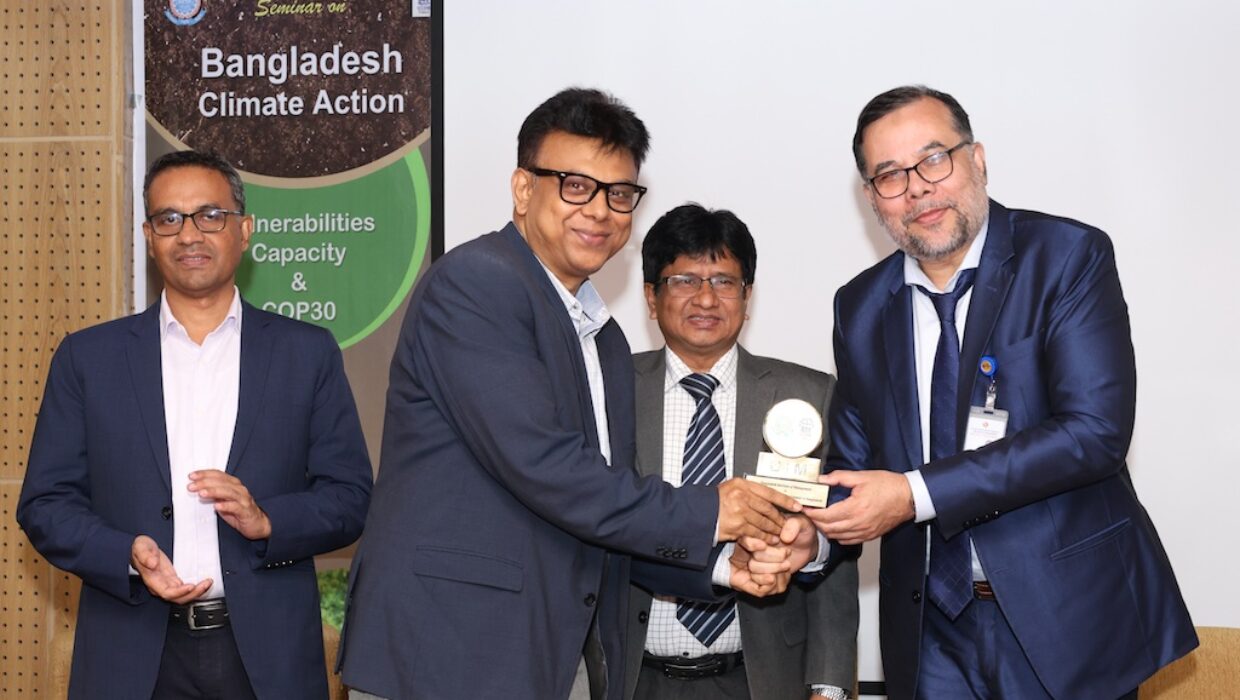
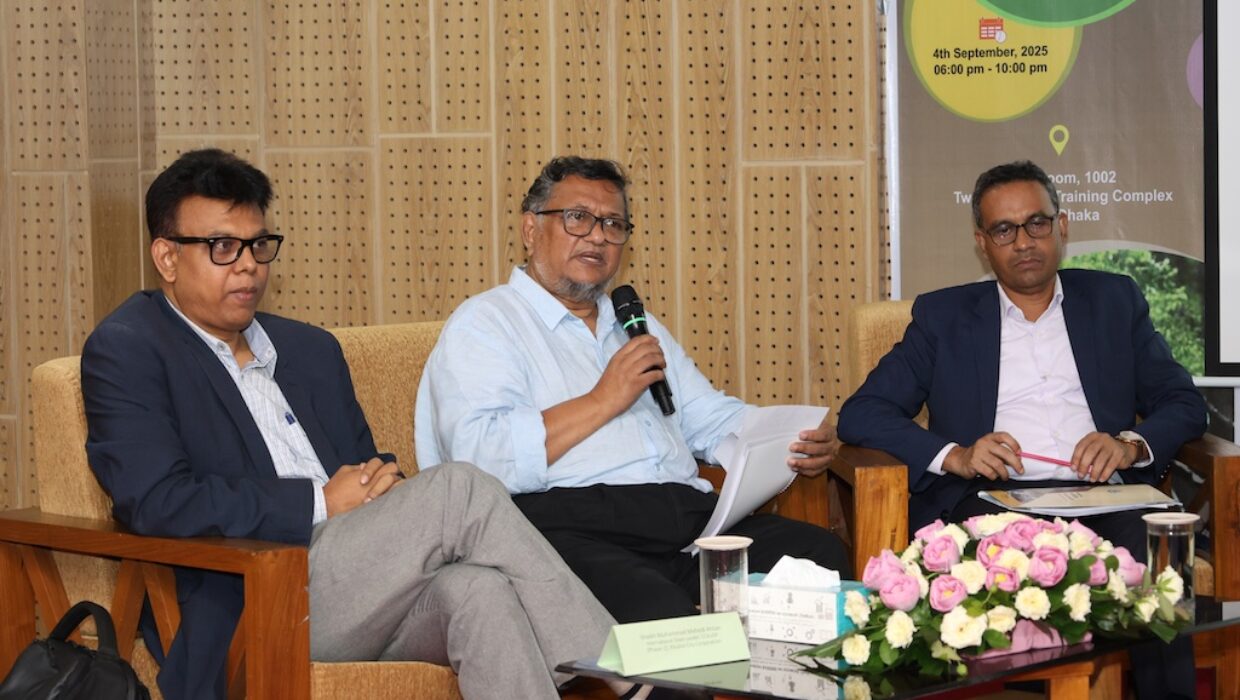
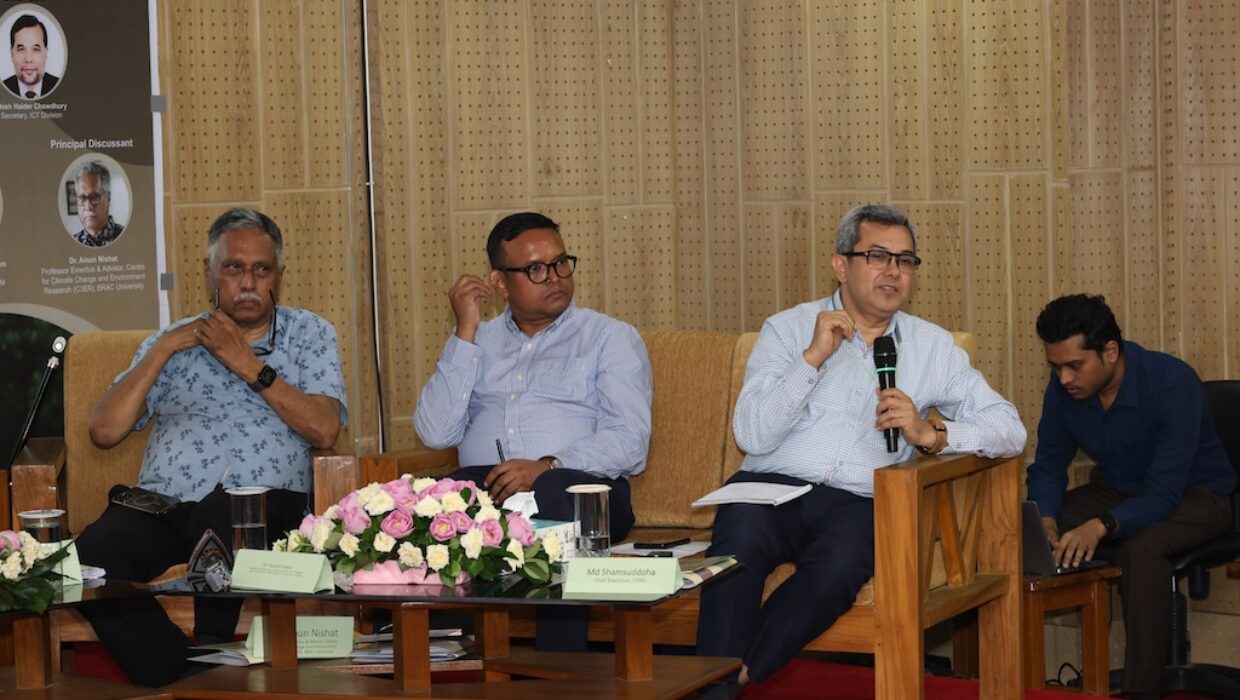
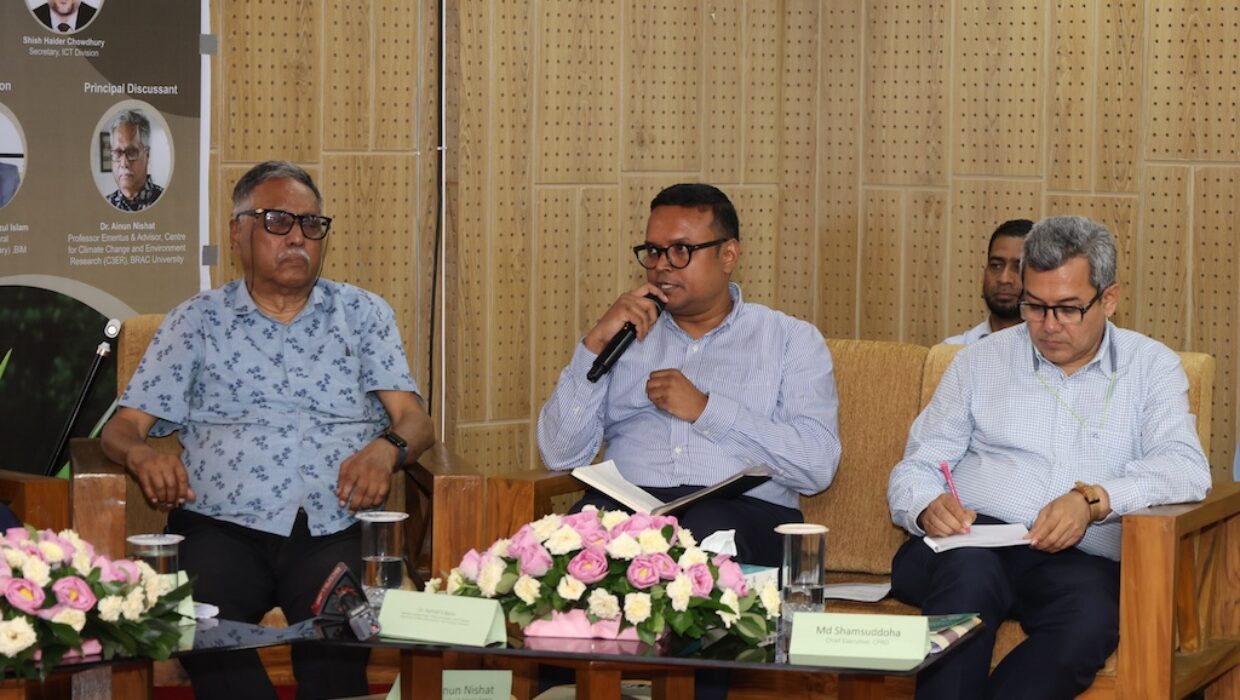
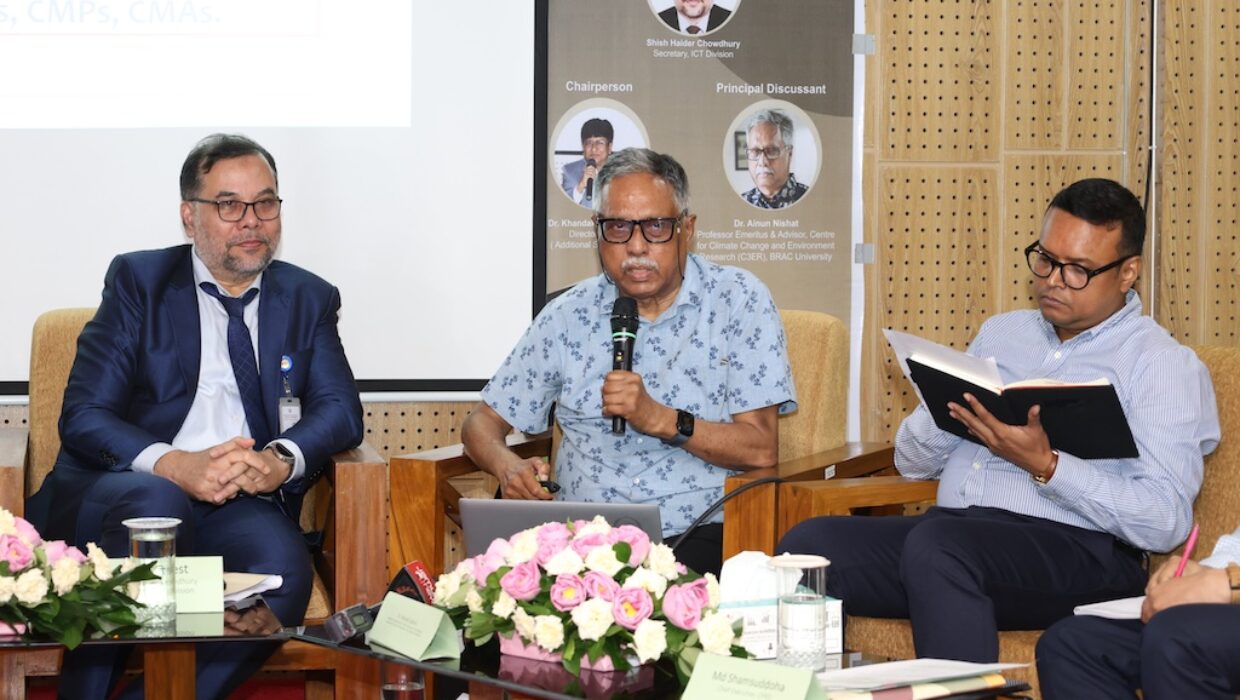
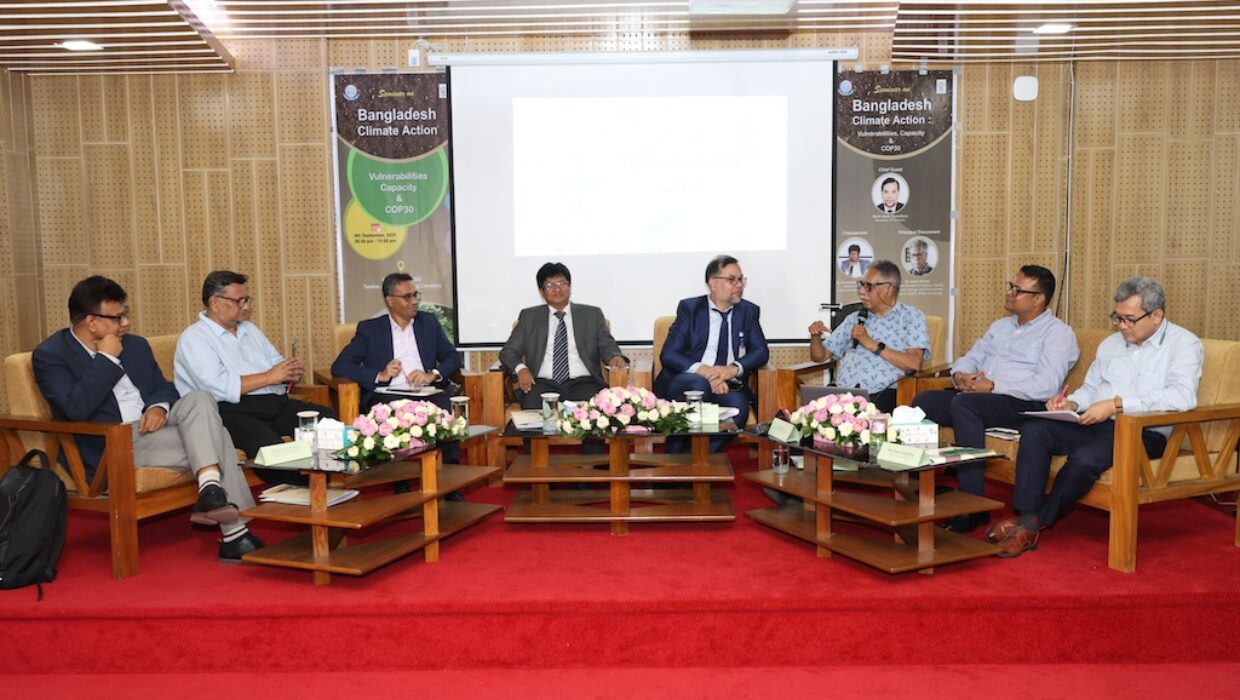
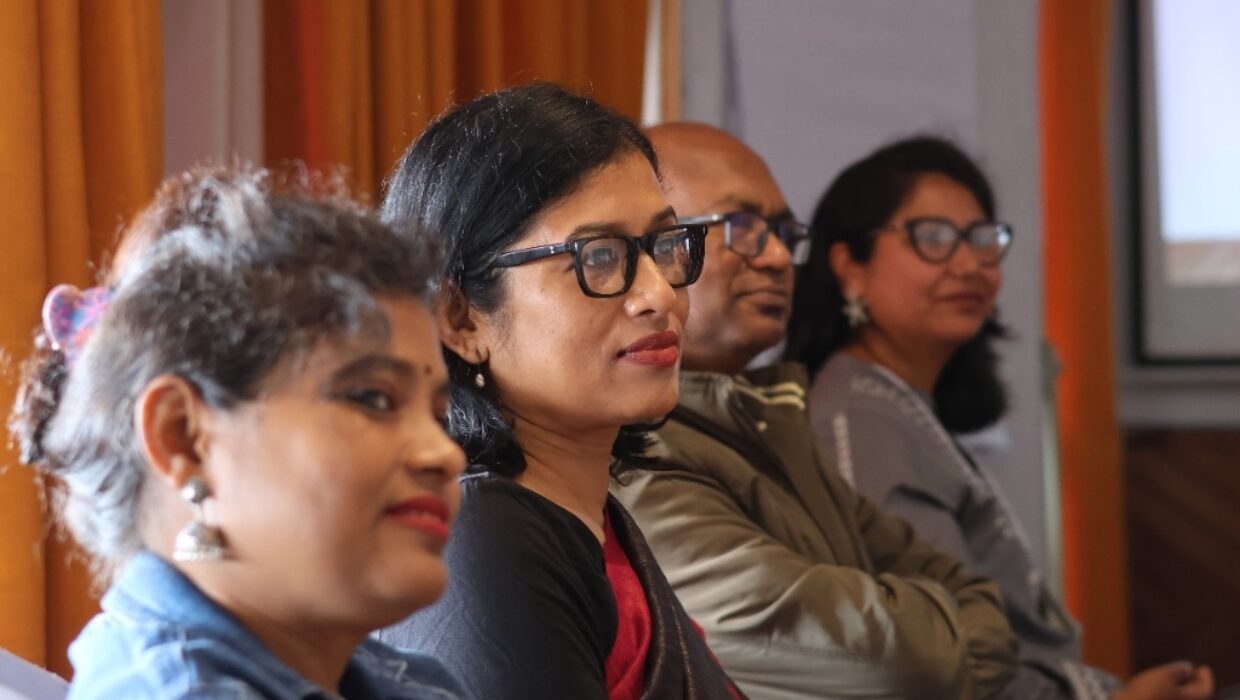
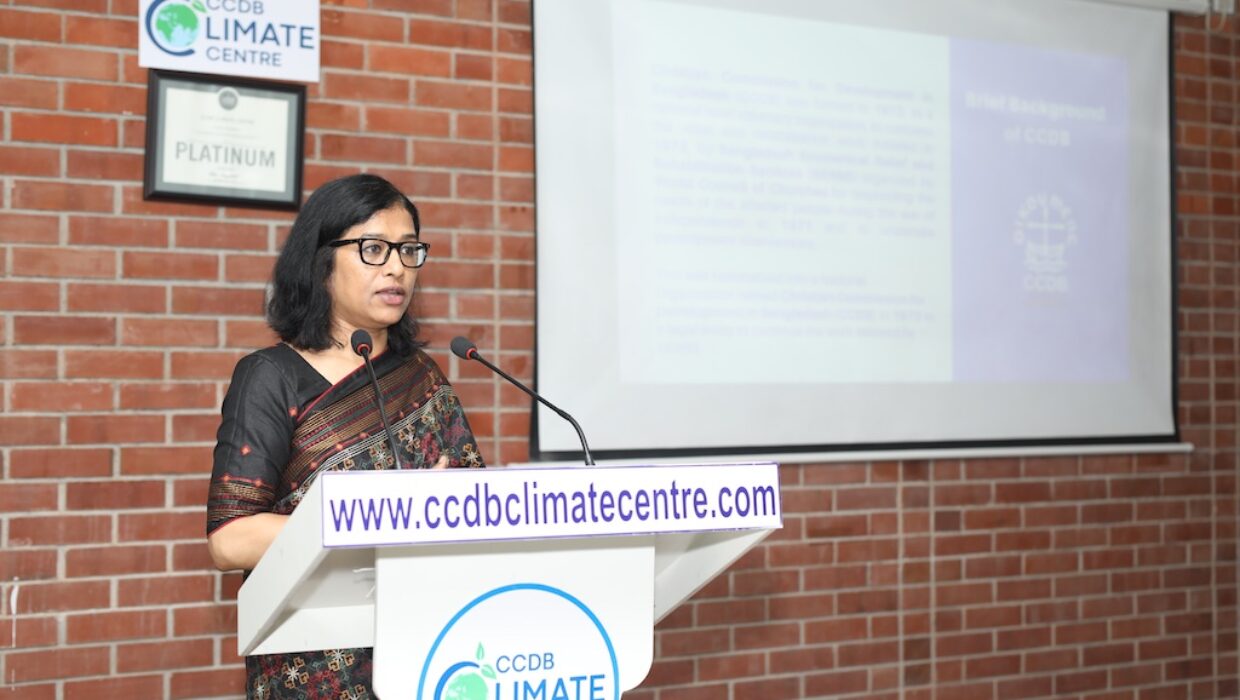
On ๐—ฆ๐—ฒ๐—ฝ๐˜๐—ฒ๐—บ๐—ฏ๐—ฒ๐—ฟ ๐Ÿฐ, ๐Ÿฎ๐Ÿฌ๐Ÿฎ๐Ÿฑ, a national seminar was held at the ๐—•๐—ฎ๐—ป๐—ด๐—น๐—ฎ๐—ฑ๐—ฒ๐˜€๐—ต ๐—œ๐—ป๐˜€๐˜๐—ถ๐˜๐˜‚๐˜๐—ฒ ๐—ผ๐—ณ ๐— ๐—ฎ๐—ป๐—ฎ๐—ด๐—ฒ๐—บ๐—ฒ๐—ป๐˜ (๐—•๐—œ๐— ), Dhaka, to reflect on Bangladeshโ€™s climate challenges and priorities ahead of ๐—–๐—ข๐—ฃ ๐Ÿฏ๐Ÿฌ. The event brought together policymakers, climate experts, development practitioners, and civil society representatives for a robust exchange of ideas.

Chaired by ๐——๐—ฟ. ๐—ž๐—ต๐—ฎ๐—ป๐—ฑ๐—ผ๐—ธ๐—ฒ๐—ฟ ๐—”๐˜‡๐—ถ๐˜‡๐˜‚๐—น ๐—œ๐˜€๐—น๐—ฎ๐—บ, ๐——๐—ถ๐—ฟ๐—ฒ๐—ฐ๐˜๐—ผ๐—ฟ ๐—š๐—ฒ๐—ป๐—ฒ๐—ฟ๐—ฎ๐—น ๐—ผ๐—ณ ๐—•๐—œ๐— , ๐— ๐—ฟ. ๐—ฆ๐—ต๐—ถ๐˜€๐—ต ๐—›๐—ฎ๐—ถ๐—ฑ๐—ฒ๐—ฟ ๐—–๐—ต๐—ผ๐˜„๐—ฑ๐—ต๐˜‚๐—ฟ๐˜†, ๐—ป๐—ฑ๐—ฐ, ๐—ฆ๐—ฒ๐—ฐ๐—ฟ๐—ฒ๐˜๐—ฎ๐—ฟ๐˜†, ๐—œ๐—–๐—ง ๐——๐—ถ๐˜ƒ๐—ถ๐˜€๐—ถ๐—ผ๐—ป, as the Chief Guest, and ๐——๐—ฟ. ๐—”๐—ถ๐—ป๐˜‚๐—ป ๐—ก๐—ถ๐˜€๐—ต๐—ฎ๐˜, ๐—ฃ๐—ฟ๐—ผ๐—ณ๐—ฒ๐˜€๐˜€๐—ผ๐—ฟ ๐—˜๐—บ๐—ฒ๐—ฟ๐—ถ๐˜๐˜‚๐˜€ & ๐—”๐—ฑ๐˜ƒ๐—ถ๐˜€๐—ผ๐—ฟ, ๐—–๐Ÿฏ๐—˜๐—ฅ, ๐—•๐—ฅ๐—”๐—– ๐—จ๐—ป๐—ถ๐˜ƒ๐—ฒ๐—ฟ๐˜€๐—ถ๐˜๐˜†, as the principal discussant.

Other distinguished panelists included:

Prof. Dr. Md. Niamul Naser, University of Dhaka.

Prof. Dr. Harold Sougato Baroi, University of Rajshahi.

Md. Amir Hosain Chowdhury, Chief Conservator of Forests, Forest Department.

Md. Shamsuddoha, Chief Executive, Center for Participatory Research and Development.

  1. M. Mehedi Ahsan, International Team Leader, Climate Change Adapted Urban Development Program (Phase II)โ€”Khulna.

In his keynote remarks, the Chief Guest stressed the governmentโ€™s initiatives to foster collaboration between government institutions, academia, and the private sector in tackling climate change. He also highlighted the urgent need to develop ๐—ฎ ๐—ป๐—ฎ๐˜๐—ถ๐—ผ๐—ป๐—ฎ๐—น ๐—ฝ๐—ผ๐—ผ๐—น ๐—ผ๐—ณ ๐—ฐ๐—น๐—ถ๐—บ๐—ฎ๐˜๐—ฒ ๐—ฒ๐˜…๐—ฝ๐—ฒ๐—ฟ๐˜๐˜€ to strengthen Bangladeshโ€™s capacity for climate solutions.

The discussions highlighted:

  • ๐—•๐—ฎ๐—ป๐—ด๐—น๐—ฎ๐—ฑ๐—ฒ๐˜€๐—ตโ€™๐˜€ ๐—ฎ๐—ฐ๐˜‚๐˜๐—ฒ ๐—ฐ๐—น๐—ถ๐—บ๐—ฎ๐˜๐—ฒ ๐˜ƒ๐˜‚๐—น๐—ป๐—ฒ๐—ฟ๐—ฎ๐—ฏ๐—ถ๐—น๐—ถ๐˜๐—ถ๐—ฒ๐˜€โ€“from rising sea levels to erratic floods and cyclones, the risks are real and demand urgent action.
  • ๐—ง๐—ต๐—ฒ ๐˜‚๐—ฟ๐—ด๐—ฒ๐—ป๐—ฐ๐˜† ๐—ผ๐—ณ ๐—ฏ๐˜‚๐—ถ๐—น๐—ฑ๐—ถ๐—ป๐—ด ๐—ป๐—ฎ๐˜๐—ถ๐—ผ๐—ป๐—ฎ๐—น ๐—ฐ๐—ฎ๐—ฝ๐—ฎ๐—ฐ๐—ถ๐˜๐˜†โ€“strengthening our institutions, knowledge base, and skilled human resources is key to tackling the climate crisis effectively.
  • ๐—ฆ๐˜๐—ฟ๐—ผ๐—ป๐—ด๐—ฒ๐—ฟ ๐—ฐ๐—ผ๐—น๐—น๐—ฎ๐—ฏ๐—ผ๐—ฟ๐—ฎ๐˜๐—ถ๐—ผ๐—ป ๐—ฎ๐—ฐ๐—ฟ๐—ผ๐˜€๐˜€ ๐—ฎ๐—น๐—น ๐˜€๐—ฒ๐—ฐ๐˜๐—ผ๐—ฟ๐˜€โ€“government, academia, civil society, and the private sector must come together to create holistic and sustainable solutions.
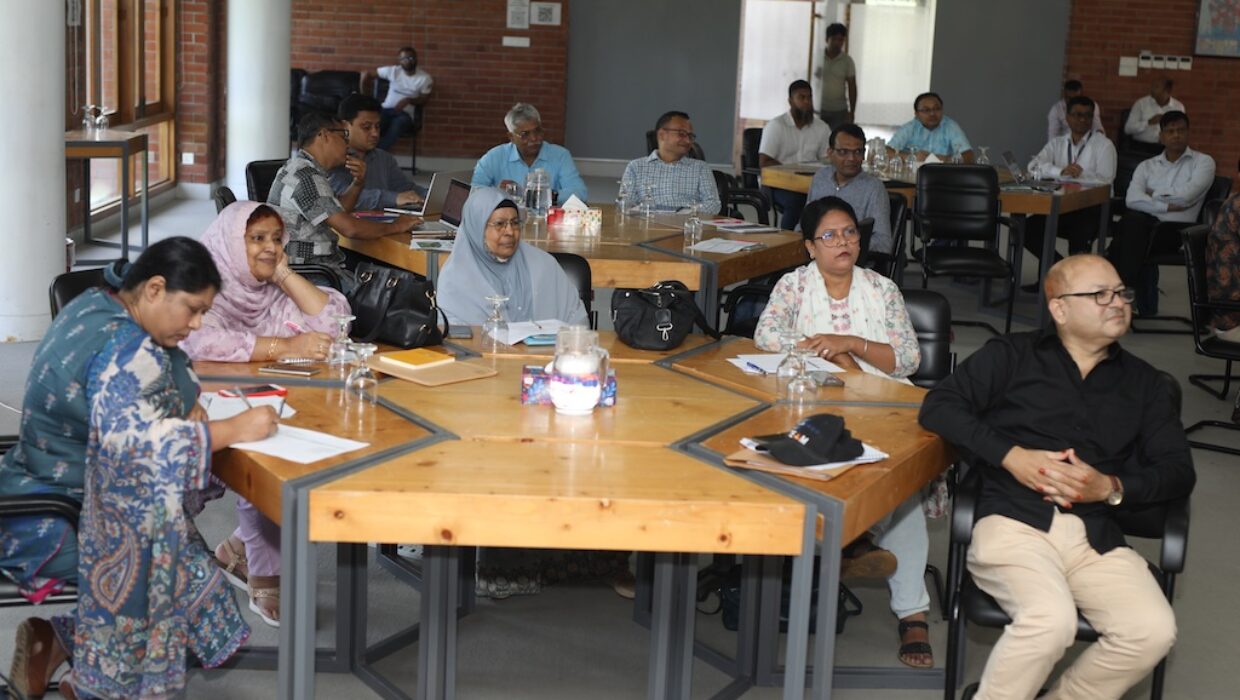
  • ๐—–๐—น๐—ฒ๐—ฎ๐—ฟ ๐—ฝ๐—ฟ๐—ถ๐—ผ๐—ฟ๐—ถ๐˜๐—ถ๐—ฒ๐˜€ ๐—ณ๐—ผ๐—ฟ ๐˜๐—ต๐—ฒ ๐—ณ๐˜‚๐˜๐˜‚๐—ฟ๐—ฒโ€“climate-resilient adaptation, a just energy transition, and fair access to international climate finance are essential for protecting communities and securing Bangladeshโ€™s rightful place in global climate negotiations.

The seminar was ๐—ท๐—ผ๐—ถ๐—ป๐˜๐—น๐˜† ๐—ผ๐—ฟ๐—ด๐—ฎ๐—ป๐—ถ๐˜‡๐—ฒ๐—ฑ ๐—ฏ๐˜† ๐—–๐—–๐——๐—• ๐—ฎ๐—ป๐—ฑ ๐—•๐—œ๐— , with both institutions presenting their ongoing activities to support Bangladeshโ€™s climate journey.

Together, we are working to ensure that Bangladeshโ€™s voice is stronger and more effective in the global climate arena at ๐—–๐—ข๐—ฃ ๐Ÿฏ๐Ÿฌ.

PHOTOS:

๐—–๐—–๐——๐—• ๐—ฃ๐—ฎ๐—ฟ๐˜๐—ถ๐—ฐ๐—ถ๐—ฝ๐—ฎ๐˜๐—ฒ๐˜€ ๐—ถ๐—ป ๐—ฆ๐˜๐—ฟ๐—ฎ๐˜๐—ฒ๐—ด๐—ถ๐—ฐ ๐— ๐—ฒ๐—ฒ๐˜๐—ถ๐—ป๐—ด ๐—ผ๐—ณ ๐—˜๐—ก๐—š๐—”๐—š๐—˜ ๐—ฃ๐—ฟ๐—ผ๐—ท๐—ฒ๐—ฐ๐˜ ๐—ถ๐—ป ๐—ก๐—ฒ๐—ฝ๐—ฎ๐—น

๐—–๐—–๐——๐—• ๐—ฃ๐—ฎ๐—ฟ๐˜๐—ถ๐—ฐ๐—ถ๐—ฝ๐—ฎ๐˜๐—ฒ๐˜€ ๐—ถ๐—ป ๐—ฆ๐˜๐—ฟ๐—ฎ๐˜๐—ฒ๐—ด๐—ถ๐—ฐ ๐— ๐—ฒ๐—ฒ๐˜๐—ถ๐—ป๐—ด ๐—ผ๐—ณ ๐—˜๐—ก๐—š๐—”๐—š๐—˜ ๐—ฃ๐—ฟ๐—ผ๐—ท๐—ฒ๐—ฐ๐˜ ๐—ถ๐—ป ๐—ก๐—ฒ๐—ฝ๐—ฎ๐—น

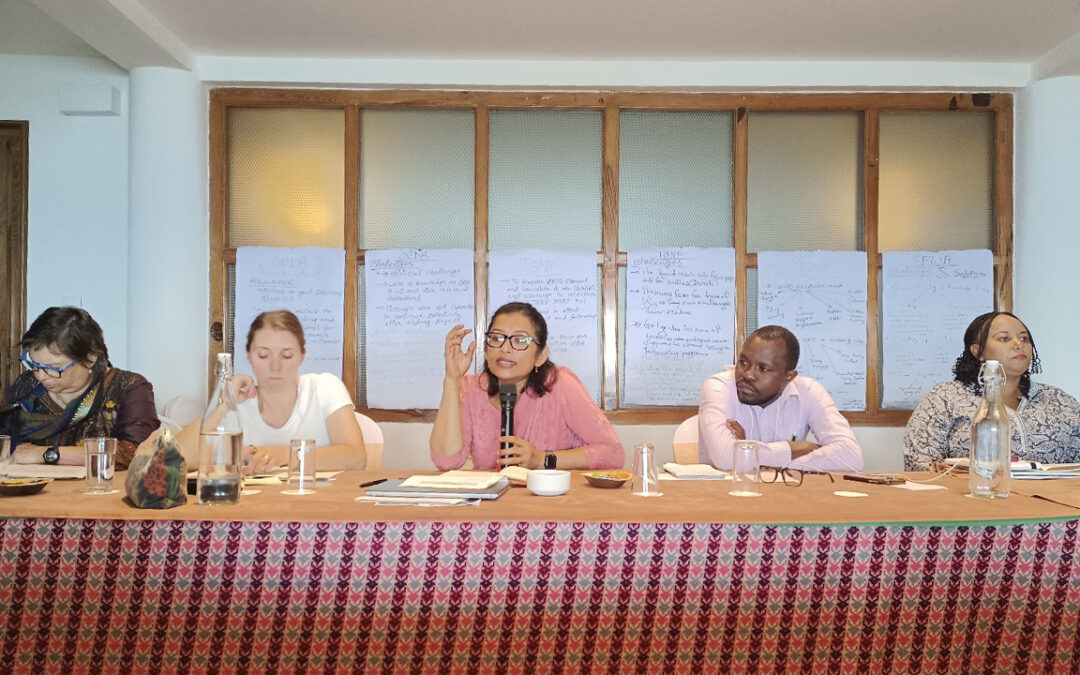
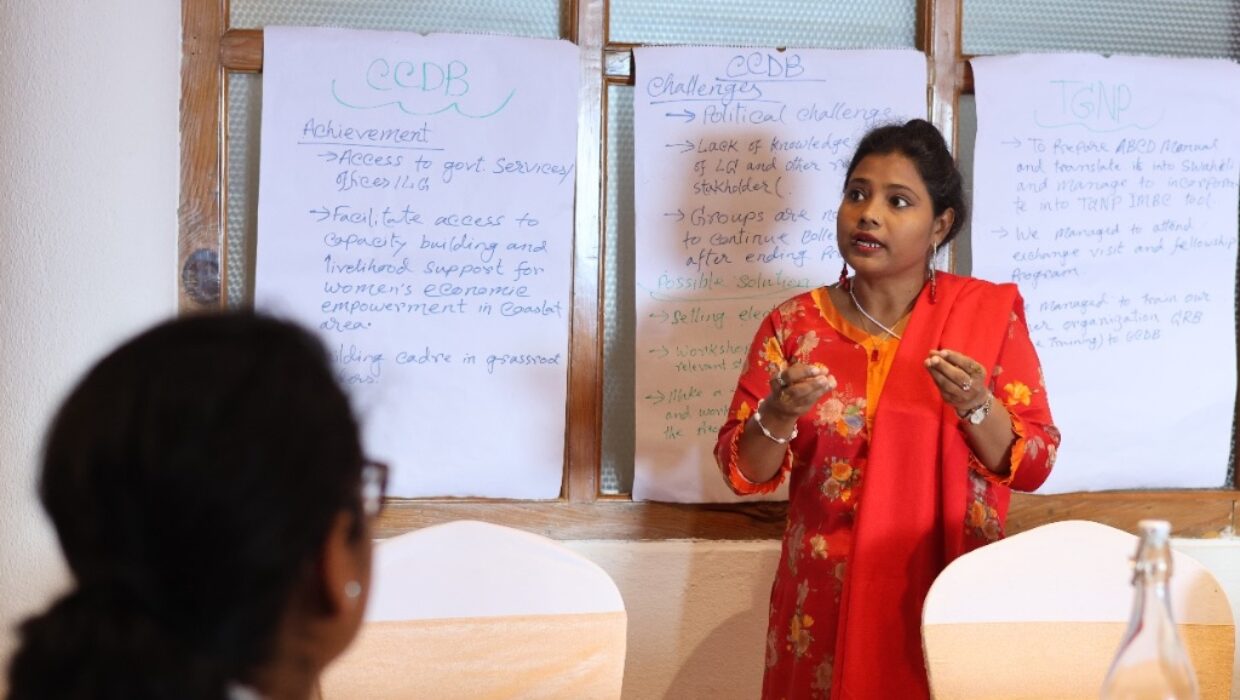
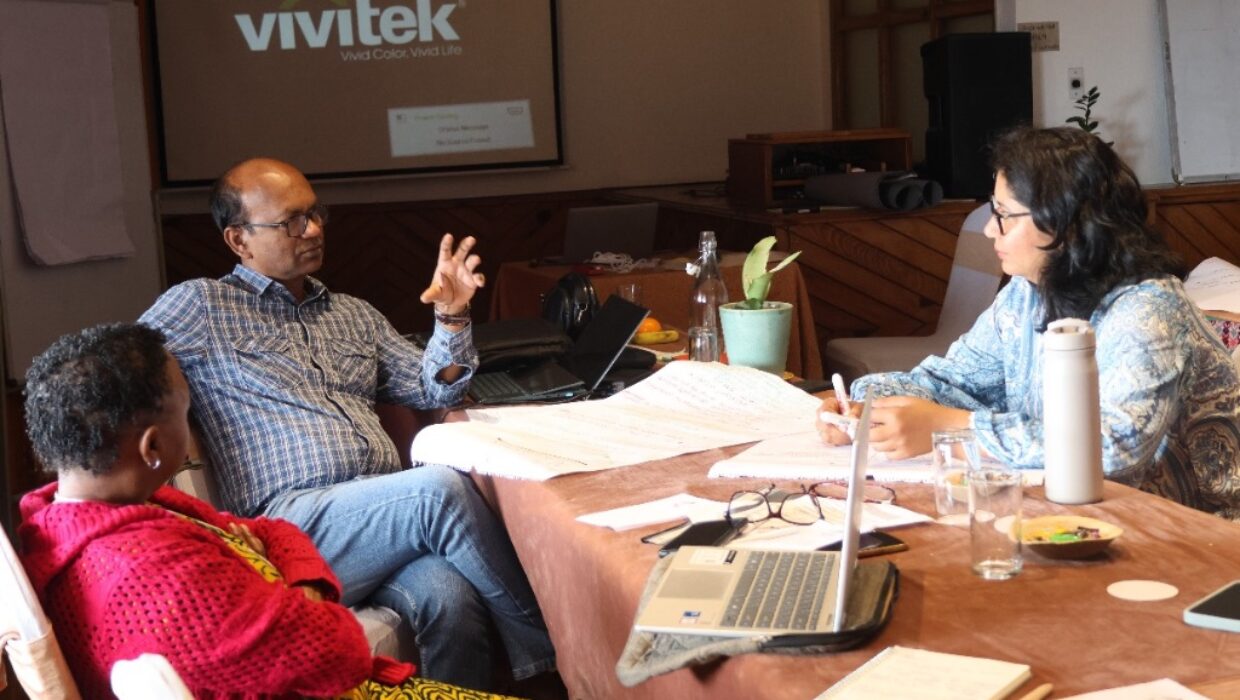
A strategic team from CCDB, including the Executive Director, Head of MEL, and Project Manager, attended a five-days Project Management and Steering Committee Meeting of the ENGAGE Project in Nepal from 1โ€“5 September 2025.

The meeting was held at ๐—–๐—น๐˜‚๐—ฏ ๐—›๐—ถ๐—บ๐—ฎ๐—น๐—ฎ๐˜†๐—ฎ ๐—ฅ๐—ฒ๐˜€๐—ผ๐—ฟ๐˜,ย  ๐—ก๐—ฎ๐—ด๐—ฎ๐—ฟ๐—ธ๐—ผ๐˜, ๐—ก๐—ฒ๐—ฝ๐—ฎ๐—น, with the following key objectives:

  • Reconnecting and deepening trust and collaboration among partners
  • Reflecting on lessons learned, including both challenges and successes, throughout the ENGAGE journey
  • Reviewing the collective journey and contributing inputs to shape the next phase of the work
  • Exploring opportunities for sustained partnership and collaboration beyond the ENGAGE Project

The event brought together all five implementing partners of the ENGAGE Project, including:

  • ๐‚๐‚๐ƒ๐ (๐๐š๐ง๐ ๐ฅ๐š๐๐ž๐ฌ๐ก)
  • ๐’๐„๐–๐€ (๐ˆ๐ง๐๐ข๐š)
  • ๐–๐ˆ๐’๐„ (๐„๐ญ๐ก๐ข๐จ๐ฉ๐ข๐š)
  • ๐“๐†๐๐ (๐“๐š๐ง๐ณ๐š๐ง๐ข๐š)
  • ๐‚๐‹๐„ (๐‡๐š๐ข๐ญ๐ข)

with leadership and facilitation from the ๐—–๐—ผ๐—ฎ๐—ฑ๐˜† ๐—œ๐—ป๐˜€๐˜๐—ถ๐˜๐˜‚๐˜๐—ฒ (๐—–๐—ฎ๐—ป๐—ฎ๐—ฑ๐—ฎ).

The five-daysโ€™ engagement created a vibrant environment to look back in order to move forward. Through interactive sessions, partners shared creative ideas that will support the Coady Institute in shaping the next phase of the ENGAGE Project.

Photo gallery on the event

๐—–๐—–๐——๐—• ๐—Ÿ๐—ฒ๐—ฎ๐—ฑ๐˜€ ๐— ๐˜‚๐—น๐˜๐—ถ-๐—–๐—ผ๐˜‚๐—ป๐˜๐—ฟ๐˜† ๐—–๐—น๐—ถ๐—บ๐—ฎ๐˜๐—ฒ ๐—”๐—ฑ๐—ฎ๐—ฝ๐˜๐—ฎ๐˜๐—ถ๐—ผ๐—ป ๐—ฃ๐—ฟ๐—ผ๐—ท๐—ฒ๐—ฐ๐˜ โ€“ ๐—ฅ๐—˜๐—–๐—”๐—ฃ ๐—•๐—ฒ๐—ด๐—ถ๐—ป๐˜€

๐—–๐—–๐——๐—• ๐—Ÿ๐—ฒ๐—ฎ๐—ฑ๐˜€ ๐— ๐˜‚๐—น๐˜๐—ถ-๐—–๐—ผ๐˜‚๐—ป๐˜๐—ฟ๐˜† ๐—–๐—น๐—ถ๐—บ๐—ฎ๐˜๐—ฒ ๐—”๐—ฑ๐—ฎ๐—ฝ๐˜๐—ฎ๐˜๐—ถ๐—ผ๐—ป ๐—ฃ๐—ฟ๐—ผ๐—ท๐—ฒ๐—ฐ๐˜ โ€“ ๐—ฅ๐—˜๐—–๐—”๐—ฃ ๐—•๐—ฒ๐—ด๐—ถ๐—ป๐˜€

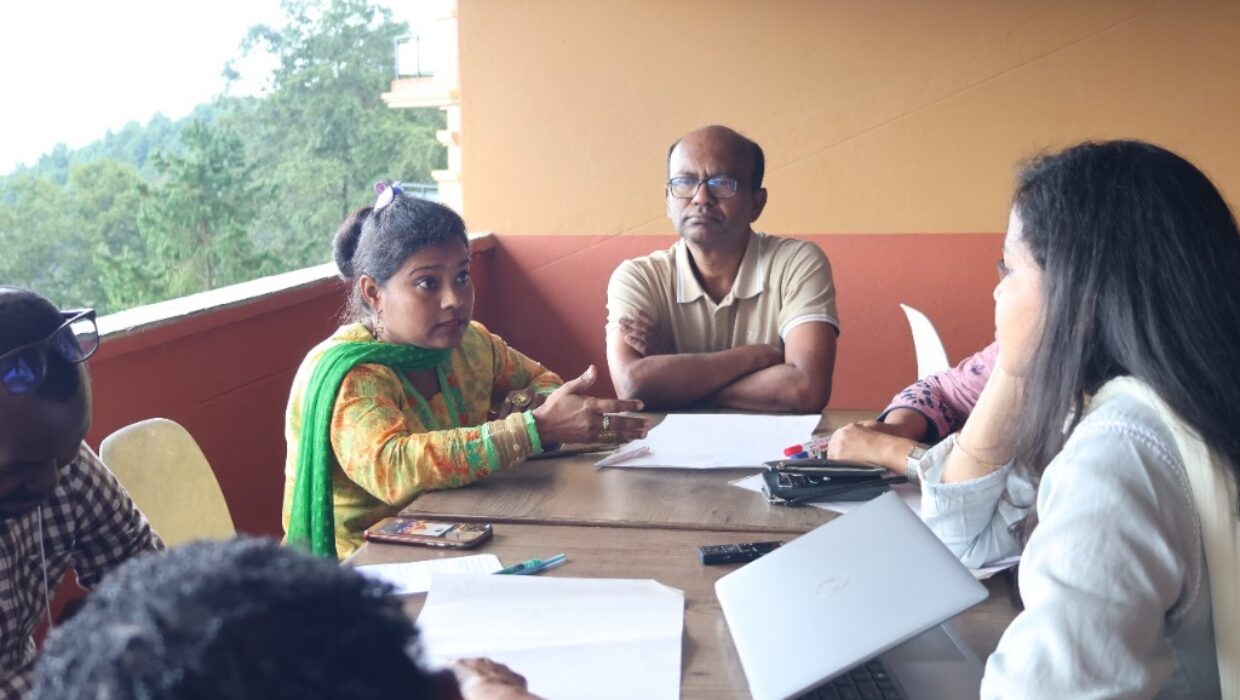
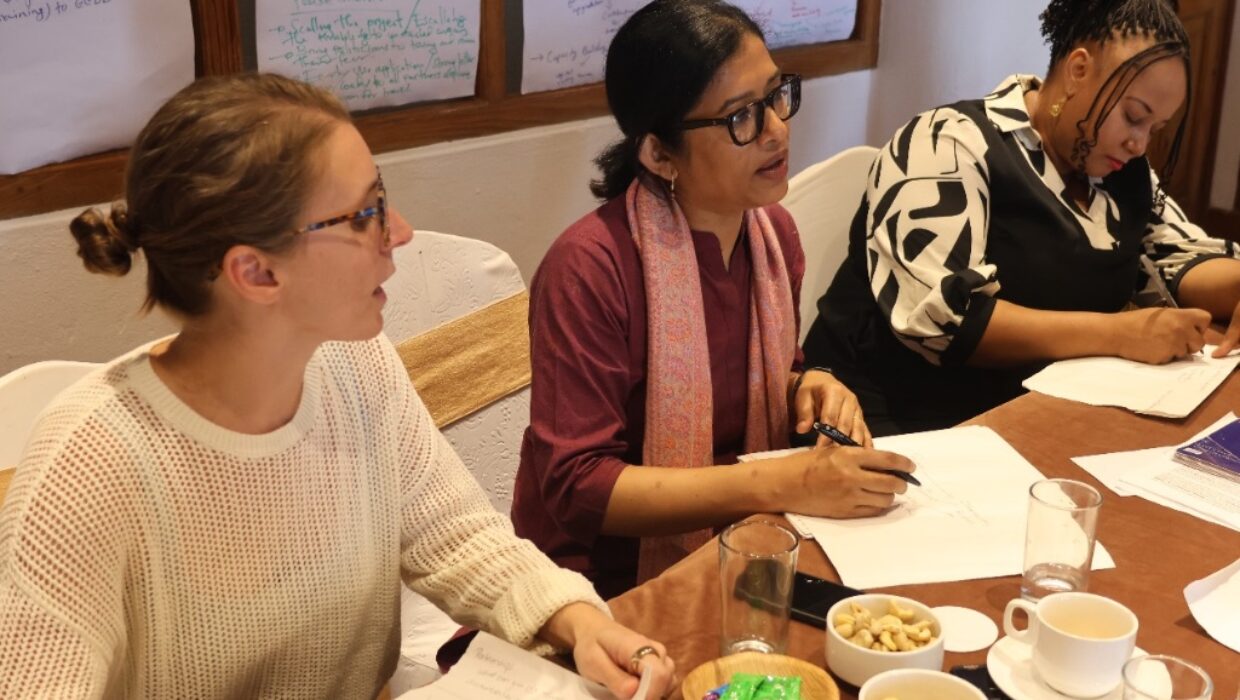
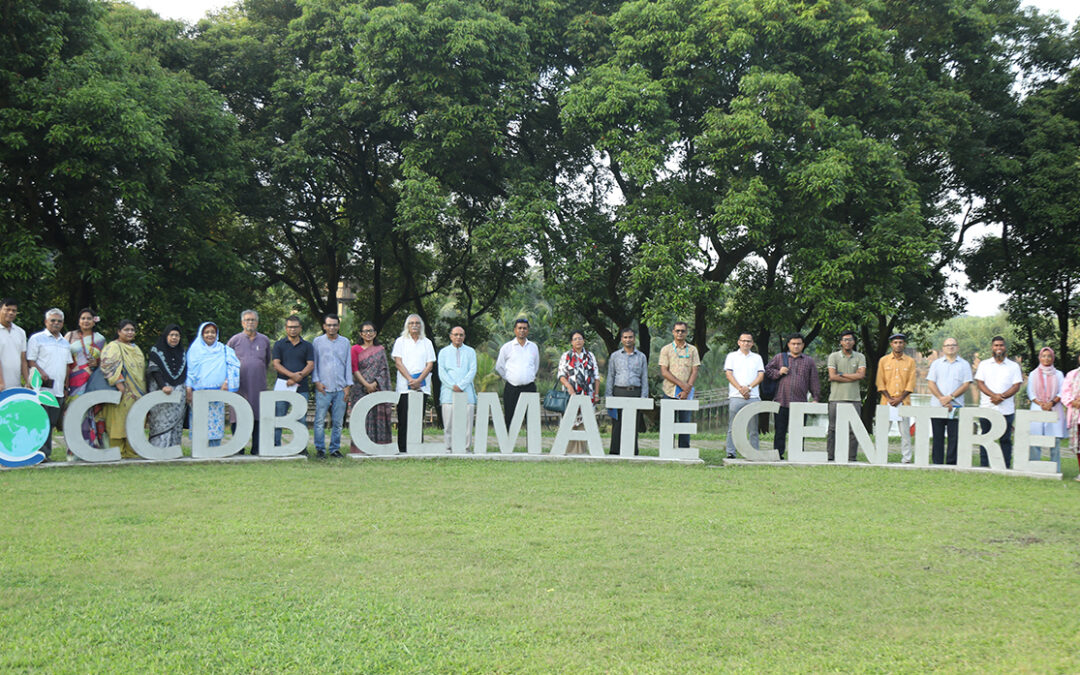
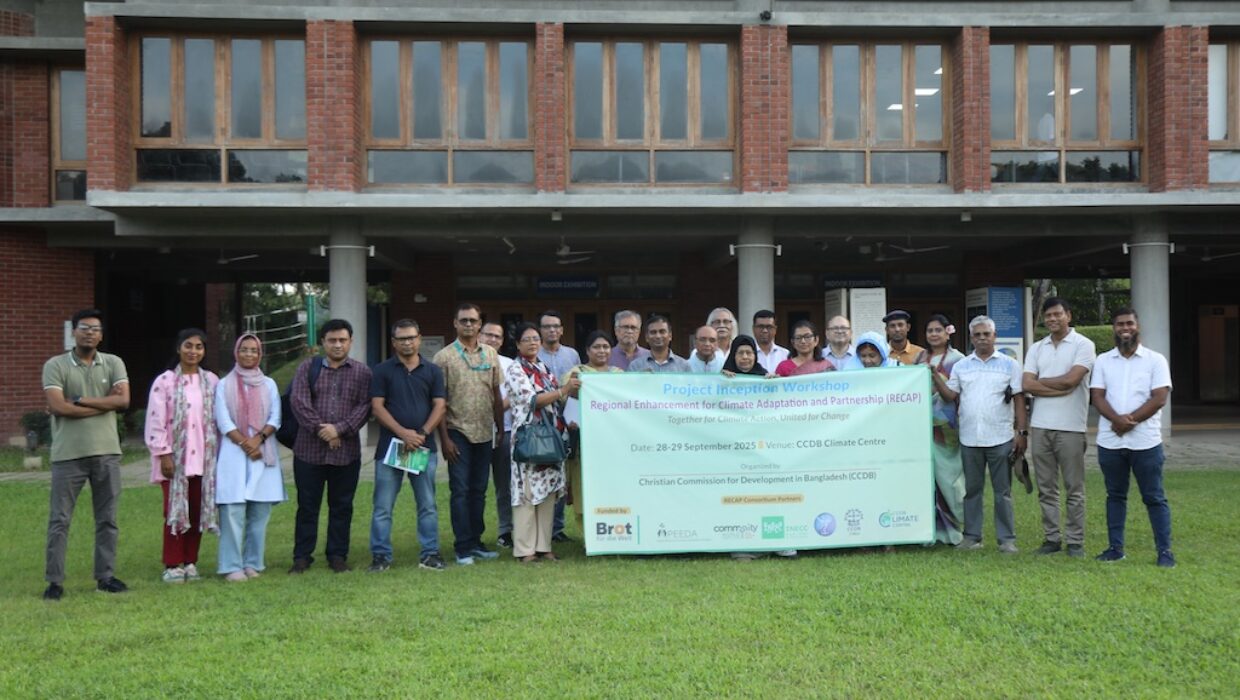
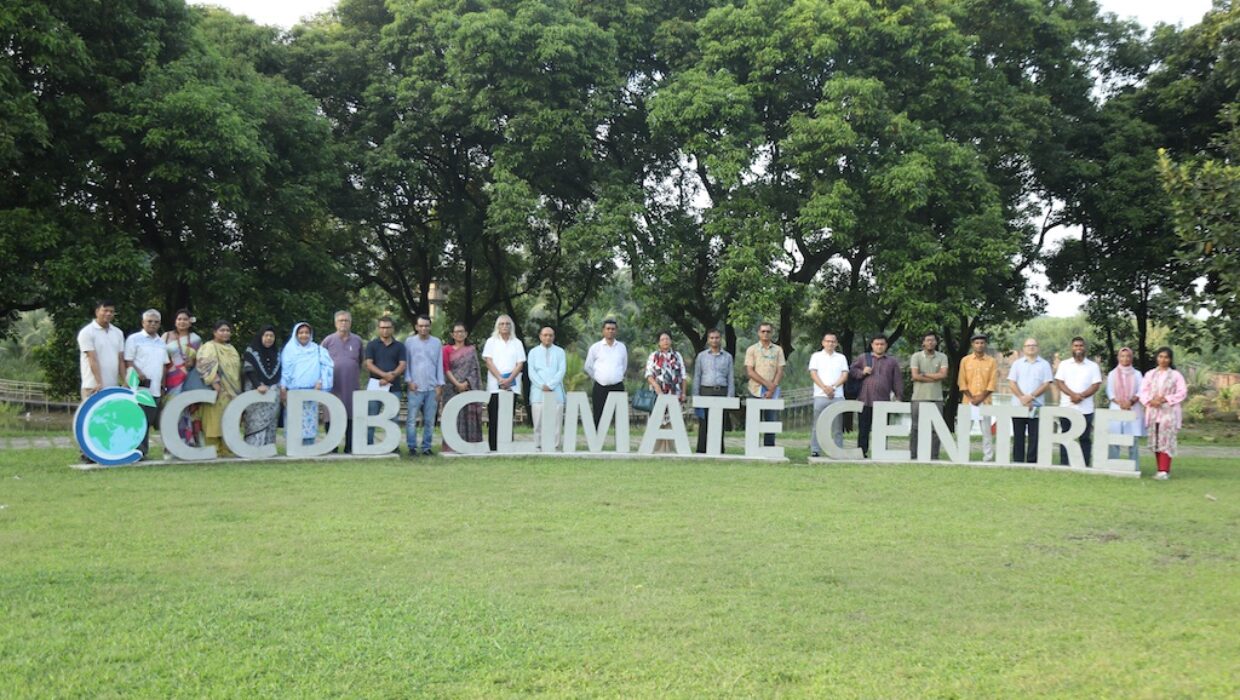
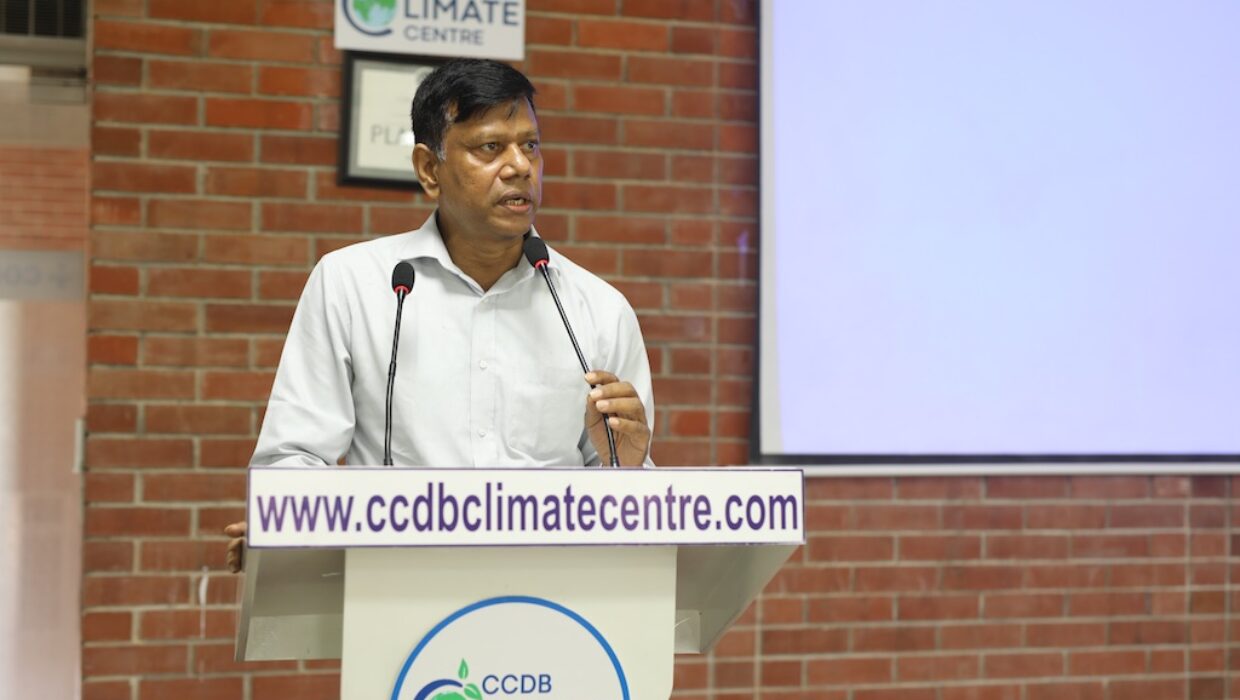
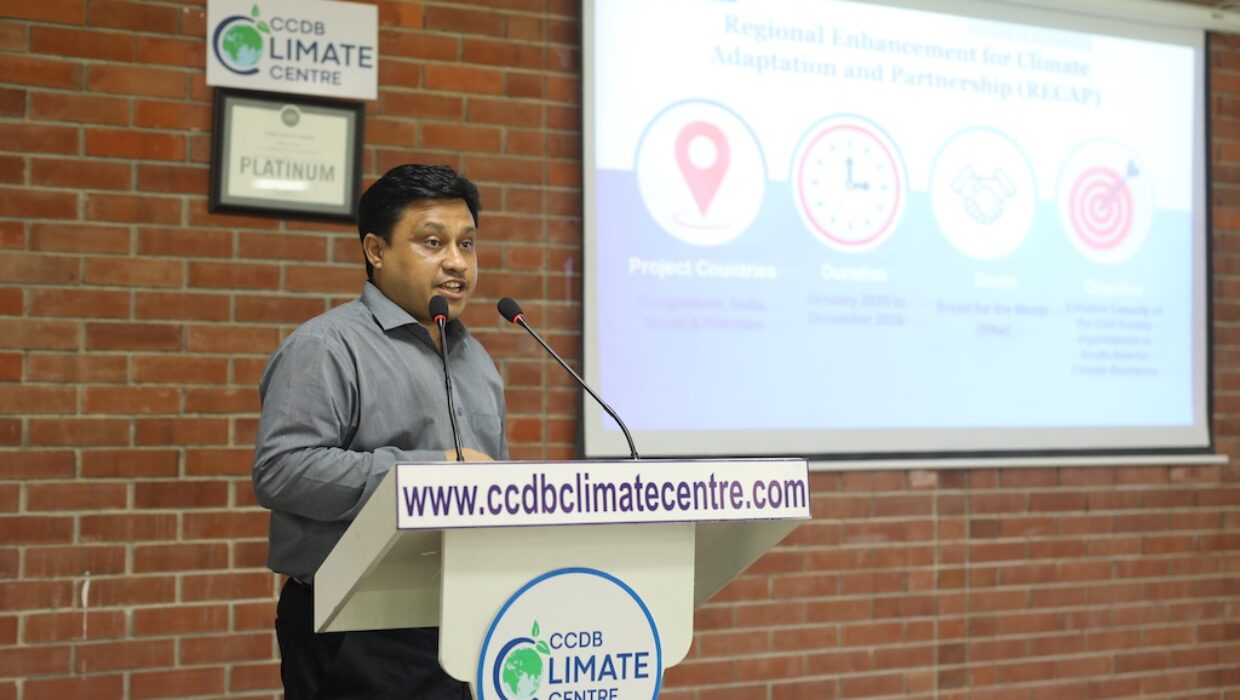
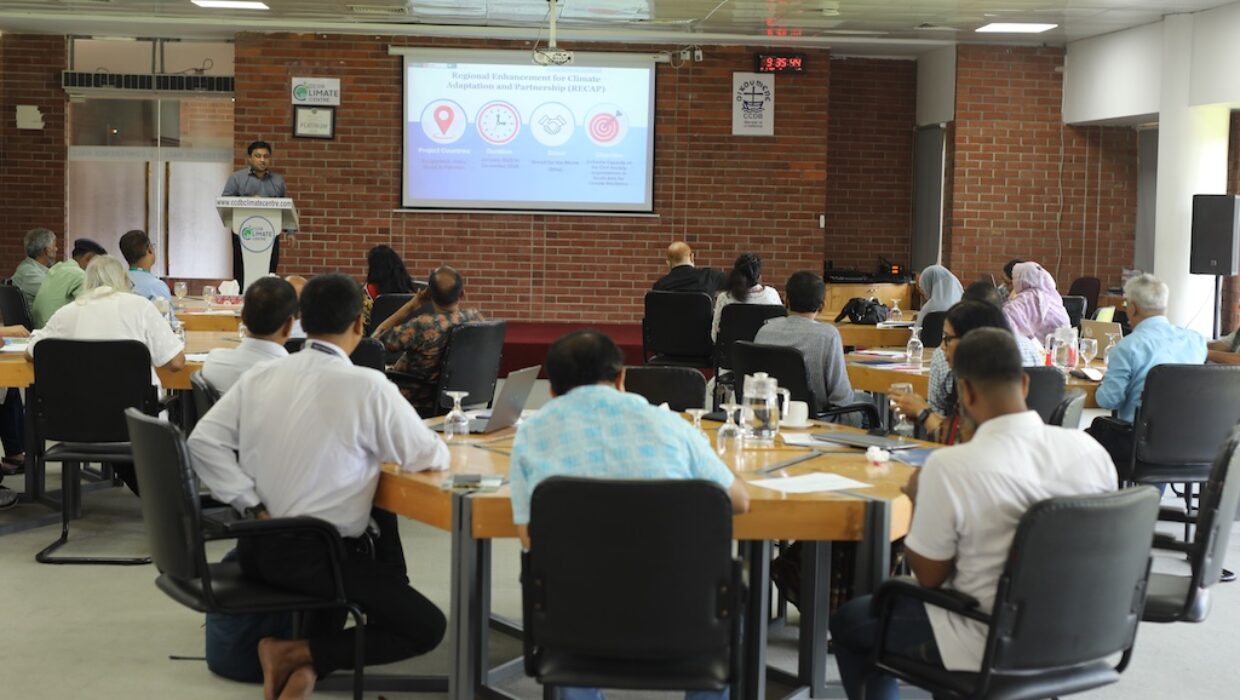
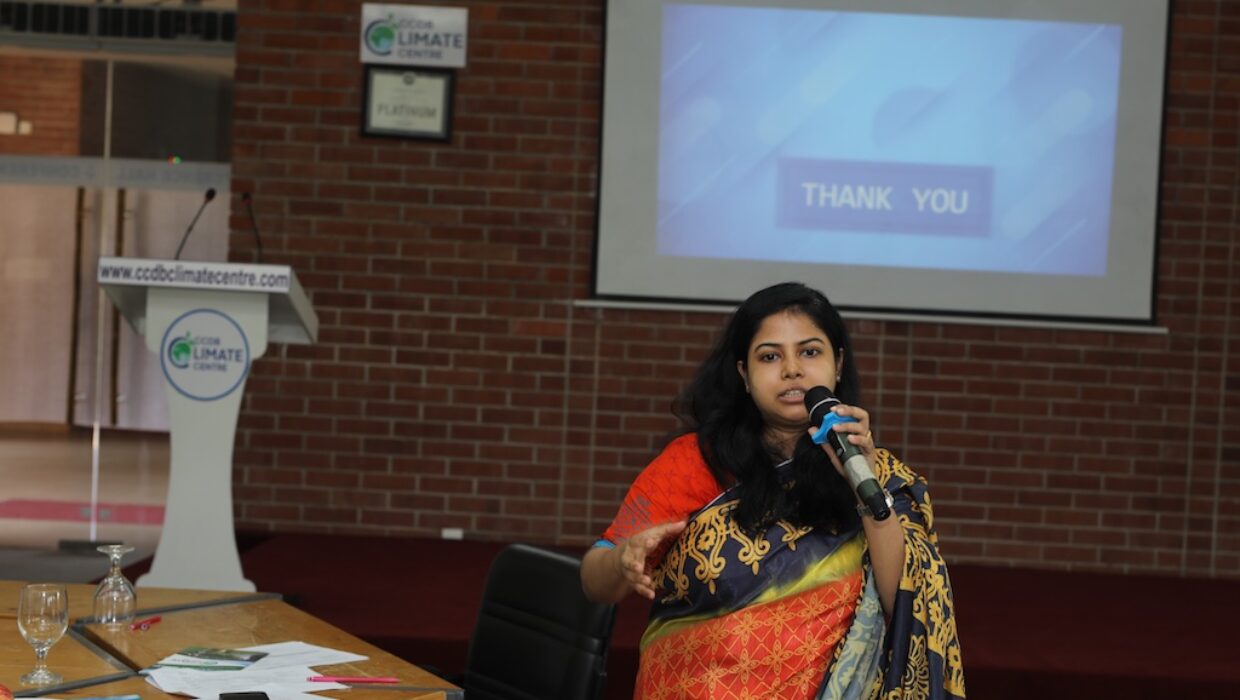
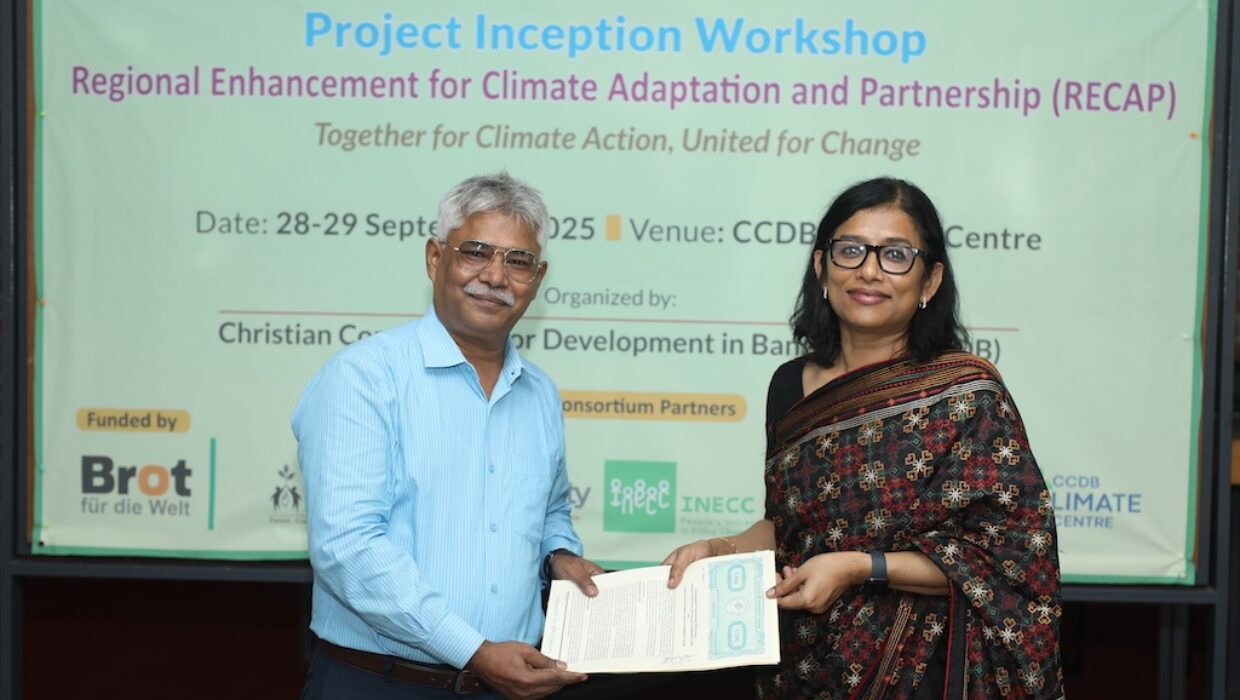
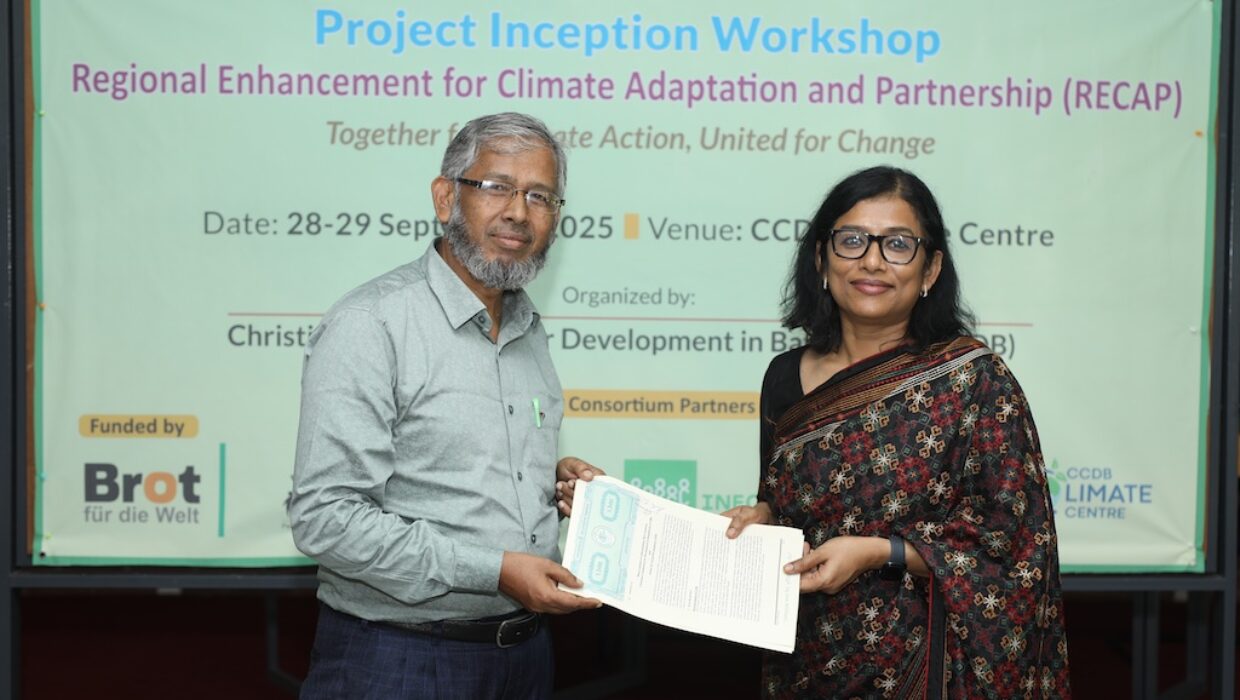
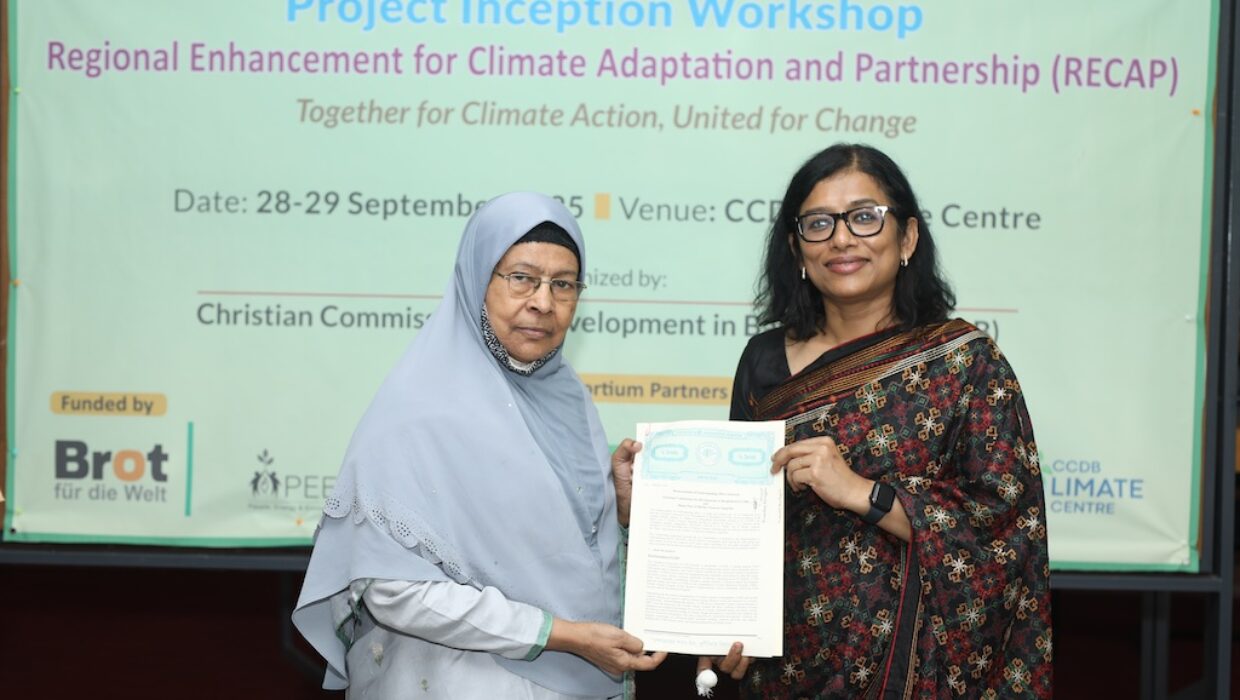
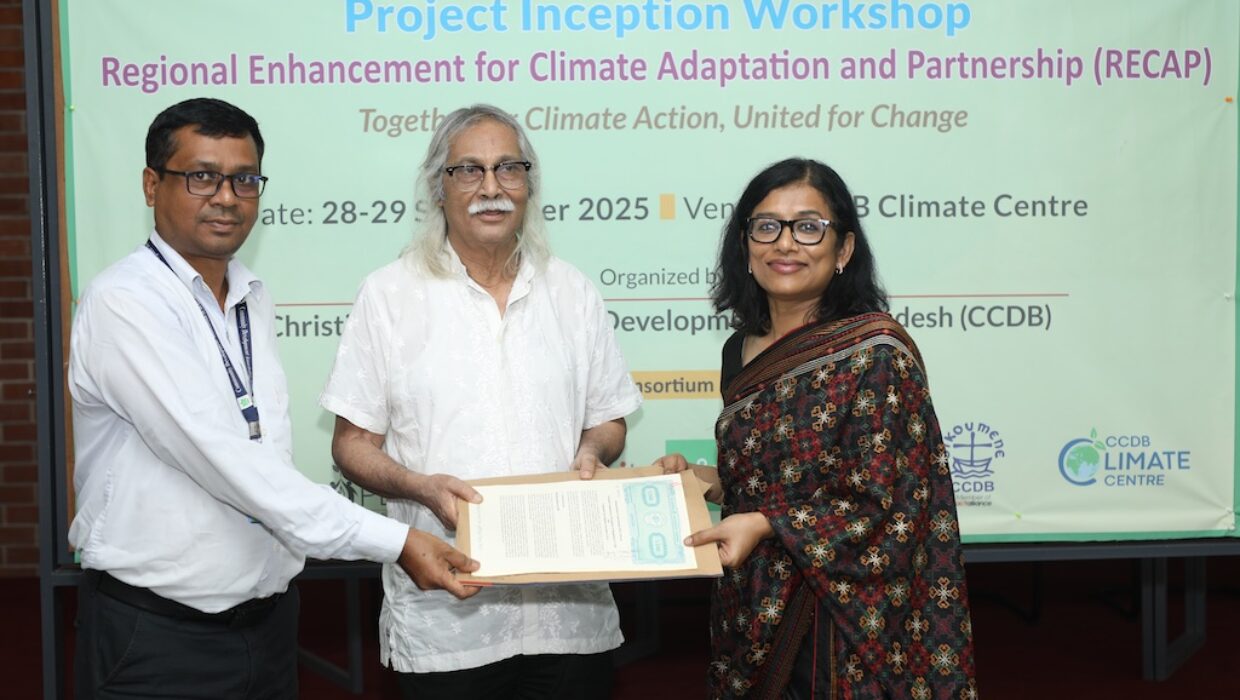
On ๐Ÿฎ๐Ÿดโ€“๐Ÿฎ๐Ÿต ๐—ฆ๐—ฒ๐—ฝ๐˜๐—ฒ๐—บ๐—ฏ๐—ฒ๐—ฟ ๐Ÿฎ๐Ÿฌ๐Ÿฎ๐Ÿฑ, ๐—–๐—ต๐—ฟ๐—ถ๐˜€๐˜๐—ถ๐—ฎ๐—ป ๐—–๐—ผ๐—บ๐—บ๐—ถ๐˜€๐˜€๐—ถ๐—ผ๐—ป ๐—ณ๐—ผ๐—ฟ ๐——๐—ฒ๐˜ƒ๐—ฒ๐—น๐—ผ๐—ฝ๐—บ๐—ฒ๐—ป๐˜ ๐—ถ๐—ป ๐—•๐—ฎ๐—ป๐—ด๐—น๐—ฎ๐—ฑ๐—ฒ๐˜€๐—ต (๐—–๐—–๐——๐—•) organized the Inception Workshop of the ๐˜™๐˜ฆ๐˜จ๐˜ช๐˜ฐ๐˜ฏ๐˜ข๐˜ญ ๐˜Œ๐˜ฏ๐˜ฉ๐˜ข๐˜ฏ๐˜ค๐˜ฆ๐˜ฎ๐˜ฆ๐˜ฏ๐˜ต ๐˜ง๐˜ฐ๐˜ณ ๐˜Š๐˜ญ๐˜ช๐˜ฎ๐˜ข๐˜ต๐˜ฆ ๐˜ˆ๐˜ฅ๐˜ข๐˜ฑ๐˜ต๐˜ข๐˜ต๐˜ช๐˜ฐ๐˜ฏ ๐˜ข๐˜ฏ๐˜ฅ ๐˜—๐˜ข๐˜ณ๐˜ต๐˜ฏ๐˜ฆ๐˜ณ๐˜ด๐˜ฉ๐˜ช๐˜ฑ (๐˜™๐˜Œ๐˜Š๐˜ˆ๐˜—) project at the ๐—–๐—–๐——๐—• ๐—–๐—น๐—ถ๐—บ๐—ฎ๐˜๐—ฒ ๐—–๐—ฒ๐—ป๐˜๐—ฟ๐—ฒ ๐—ถ๐—ป ๐—š๐—ฎ๐˜‡๐—ถ๐—ฝ๐˜‚๐—ฟ.

RECAP is a multi-country initiative being implemented in ๐—•๐—ฎ๐—ป๐—ด๐—น๐—ฎ๐—ฑ๐—ฒ๐˜€๐—ต, ๐—œ๐—ป๐—ฑ๐—ถ๐—ฎ, ๐—ก๐—ฒ๐—ฝ๐—ฎ๐—น, ๐—ฎ๐—ป๐—ฑ ๐—ฃ๐—ฎ๐—ธ๐—ถ๐˜€๐˜๐—ฎ๐—ป through a consortium approach, with CCDB as the lead organization. The project is funded by ๐—•๐—ฟ๐—ผ๐˜ ๐—ณรผ๐—ฟ ๐—ฑ๐—ถ๐—ฒ ๐—ช๐—ฒ๐—น๐˜ (๐—•๐—ฟ๐—ฒ๐—ฎ๐—ฑ ๐—ณ๐—ผ๐—ฟ ๐˜๐—ต๐—ฒ ๐—ช๐—ผ๐—ฟ๐—น๐—ฑ), ๐—š๐—ฒ๐—ฟ๐—บ๐—ฎ๐—ป๐˜†.

Executive Directors and Climate Focal Persons from CCDBโ€™s local partner organizations joined the Inception Workshop. Participating organizations included:

1๏ธโƒฃ Coastal Development Partnership (CDP)

2๏ธโƒฃ Nagorik Uddyog (NU)

3๏ธโƒฃ Action for Social Development (ASD)

4๏ธโƒฃ Association of Development Agencies in Bangladesh (ADAB)

5๏ธโƒฃ Community Development Association (CDA), Dinajpur

6๏ธโƒฃ Mukti Nari o Shishu Unnayan Sangstha, Kushtia

7๏ธโƒฃ Centre for Capacity Building of Voluntary Organisation (CCBVO), Rajshahi

8๏ธโƒฃ Unnayan Dhara (UD), Jhenidah

9๏ธโƒฃ Pollisree, Dinajpur

๐Ÿ”Ÿ LEDARS, Satkhira

The workshop aimed to strengthen the knowledge and skills of local partners for effective climate adaptation, mitigation, and resilienceโ€”especially in agriculture, water, environment, and livelihoods of climate-vulnerable communities.

Partners were introduced to project objectives and strategies, and a needs assessment was conducted to identify capacity gaps. CCDB will provide training and technical support to help partners integrate climate adaptation and resilience into their work.

A significant milestone of the workshop was the signing of Memorandums of Understanding (MoUs) between CCDB and each local partner organization to solidify collaboration.

CCDBโ€™s leadership, including Executive Director Juliate Keya Malakar, Program Head George Ashit Singha, RECAP Project Coordinator Md. Ashik Sardar, and Capacity Building Coordinator Mousumi Halder, actively participated in the workshop.

Together, we move forward in building resilient communities and sharing innovative solutions for climate action. ๐ŸŒฑ๐ŸŒ

Photo gallery of the event