
Comprehensive Poverty Reduction Program:
CCDB’s remarkable initiative, which began in 2007, has successfully completed its V phase this fiscal year and has entered the next phase. This ongoing program aims to alleviate poverty through a service delivery approach, rights-based approach, and asset-based community development. The successful completion of the V phase has yielded significant achievements, particularly in the areas of climate adaptive agriculture, advocacy, rights, sanitation, and hygiene, as well as education. Members of the program have also been empowered through various training to enhance their knowledge and skills, leading to positive social outcomes.
Institutional Development
The Comprehensive Poverty Reduction Program (CPRP) emphasizes building people’s institutions as the foundation of community development. Root-level forums have formed strong partnerships with the cooperative department, local government, and grassroots institutions. A key innovation is the People-Managed Savings and Credit (PMSC) model, which enables communities to manage their savings and credit, fostering ownership and financial resilience.
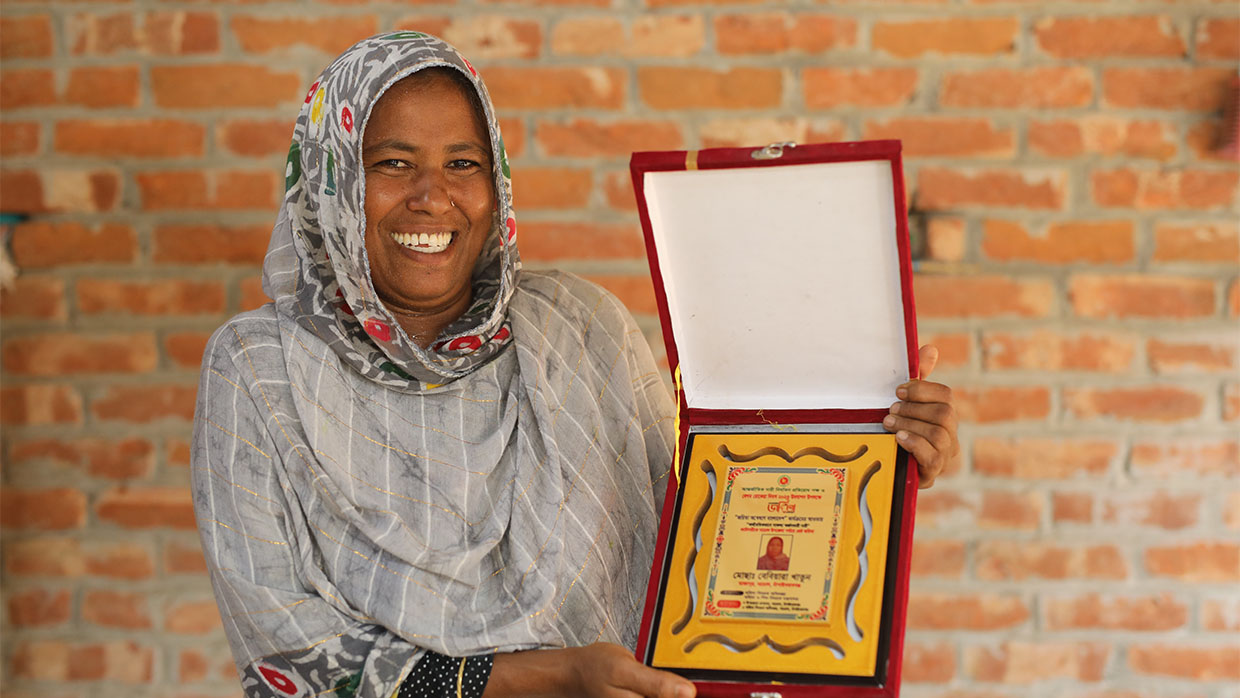
Nearly 499 forums now hold annual conventions to present plans, engage local leaders, and distribute dividends collectively, ensuring transparency and accountability. To strengthen forums further, CPRP provides training in bookkeeping, political empowerment, livelihood management, vocational skills, market linkages, and capacity building for service providers and producer groups.
Through these initiatives, CPRP has enhanced financial resilience, improved livelihoods, and deepened community bonds by empowering people to lead their development.
Economic and Social Development:
CPRP has increased women’s participation in advocacy, lobbying, and income-generating activities, strengthening the link between economic and social development. Workshops on gender-based violence, inequality, and discrimination improved cooperation in families, reduced domestic conflict by about 70%, and empowered women in decision-making. Advocacy initiatives such as sensitization, stakeholder engagement, creative expression, and school monitoring significantly reduced child marriage and dowry, creating a more equitable and child-friendly environment.
Forums and local people collaborate with government officials to mobilize resources and organize agriculture fairs, which have promoted sustainable farming, food security, and environmental sustainability. Active participation in observance days like Environment Day, Women’s Day, Victory Day, and World Health Day has fostered civic engagement, social cohesion, and community resilience.
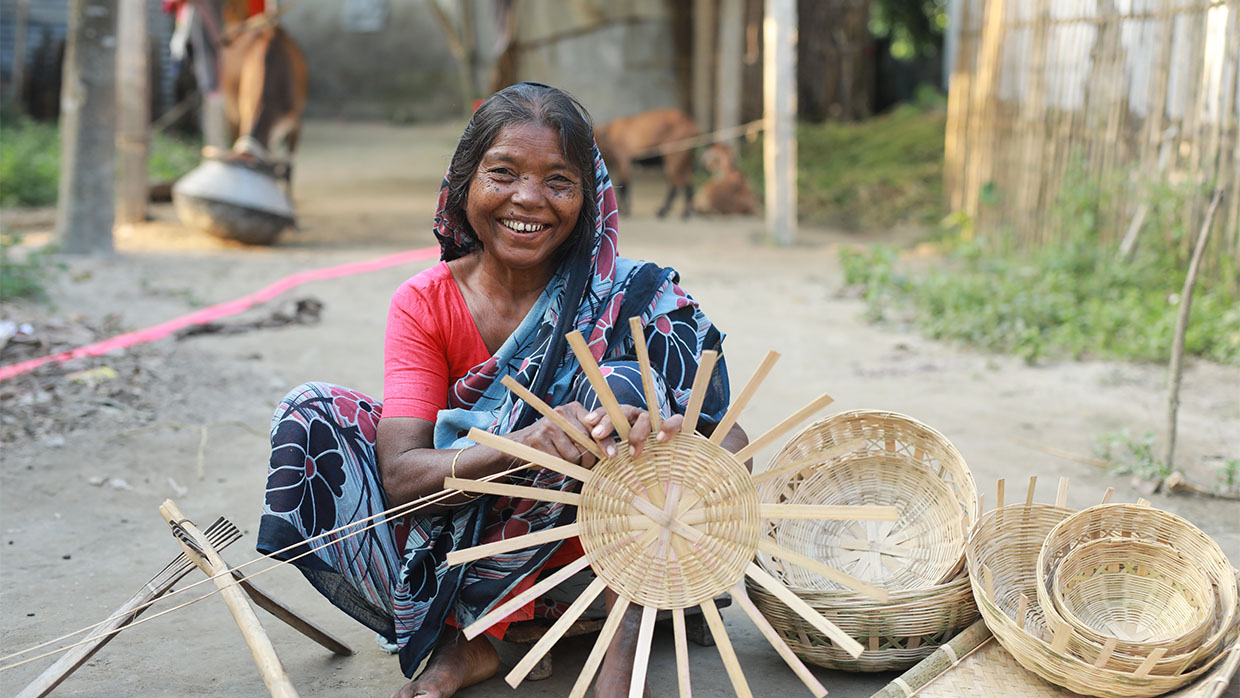
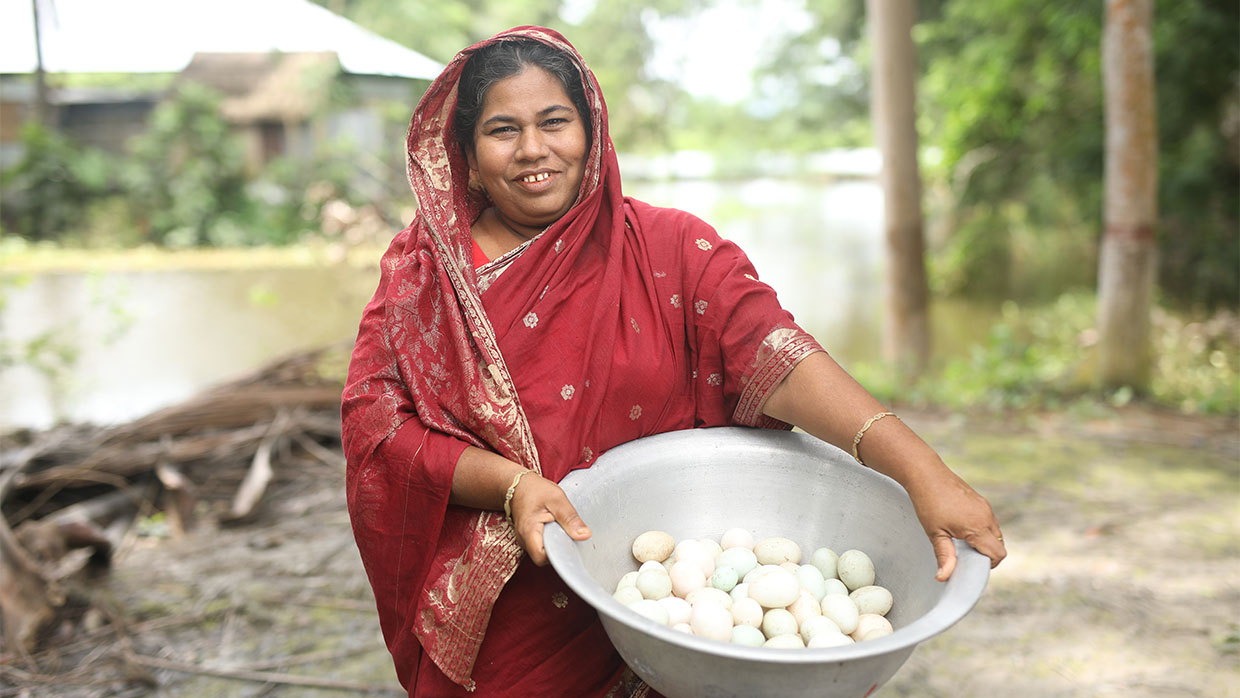
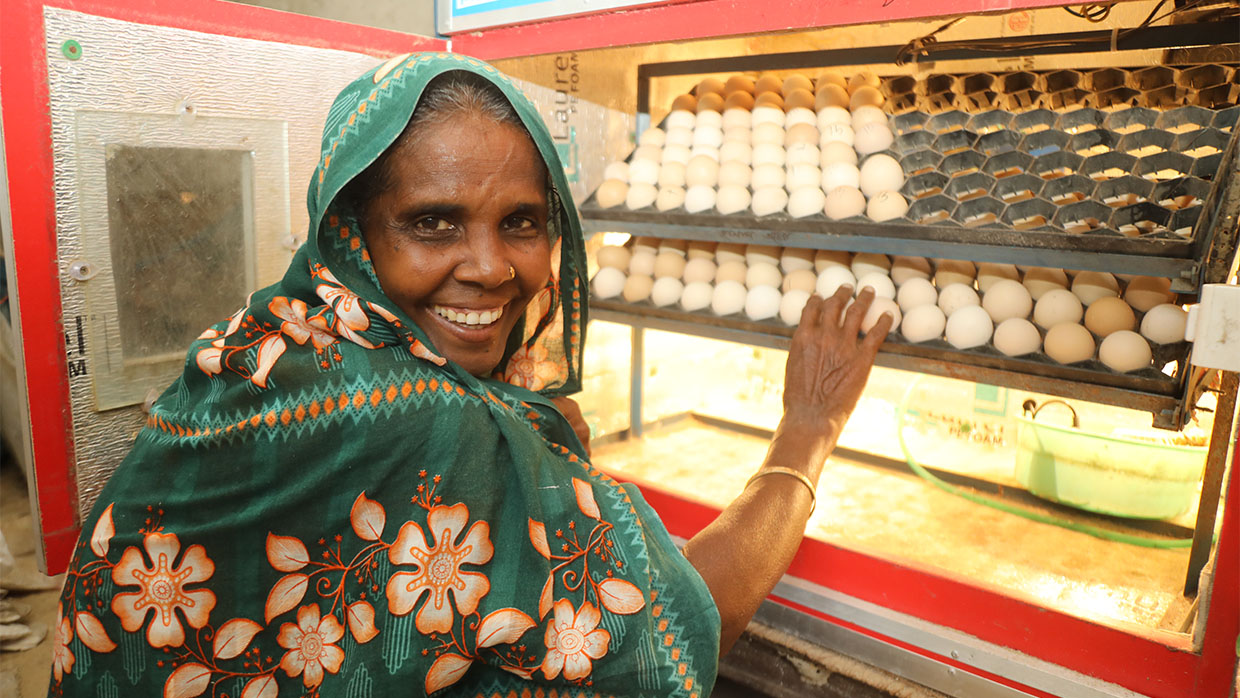
CCDB and forums supported income-generating activities such as livestock rearing, tailoring, handicrafts, and small businesses to strengthen small households. Through People’s Managed Savings and Credit (PMSC) programs, communities manage their financial resources, ensuring access to microfinance for marginalized people. Forums and CCDB funds provide additional support where needed.
Vocational training programs have enhanced youth skills, encouraged entrepreneurship, and created sustainable livelihoods. Improved value chains and market linkages have boosted producers’ income, reduced unemployment, and fostered community development.
Climate Change, Environment, and Disaster Risk Reduction:
CPRP integrates climate-adaptive measures that link development, environmental conservation, and disaster risk reduction. Climate-adaptive farming techniques—such as hydroponics, silage, and drought-resistant crops—enhance food security and agricultural productivity under changing climate conditions. Integrated Cook Stoves (ICS) reduce carbon emissions and improve air quality, offering a sustainable alternative to traditional cooking.
Collaboration among communities, local governments, and organizations strengthens social cohesion, reduces resource conflicts, and fosters collective responsibility for the environment. Sustainable practices have improved soil health, ensured consistent feed supplies, supported healthier livestock, and increased incomes, thereby reducing vulnerabilities.
By combining adaptation and mitigation strategies, CPRP builds resilience, protects the environment, and promotes equity—safeguarding communities now and ensuring long-term sustainability for future generations.